Finding a gut health routine that fits into a busy morning is often the hardest part of wellness. Postbiotics offer a simpler way to support your gut without the stress of a tight schedule.
The best time of day to take postbiotics is whenever helps you stay consistent. Unlike live probiotics, postbiotics are stable active compounds that survive stomach acid whether you take them with or without food. No refrigeration needed, no strict meal timing, and no risk of losing potency.
Shop SecondKind Gut Balance now and start building a gut health routine that fits your life, not the other way around.
Choosing a time that works for your life is the first step toward better gut health. Explore the full range of postbiotic benefits to see what consistent daily support can do. To get the most from your daily dose, it helps to know how these unique substances work in your body. Let us start with what makes postbiotics different from probiotics and why that difference matters for your daily routine.
Best Time Of Day To Take Postbiotics: What Are Postbiotics and Why Timing Is Different From Probiotics
Postbiotics are the next step in gut health science. Unlike probiotics, which are live bacteria, postbiotics are not alive. This complete guide to postbiotics explains how they differ from traditional supplements. They are bioactive substances released or produced by microorganisms that help support your health.
These compounds are the helpful byproducts that live bacteria create. Because they are not alive, they work through a direct link with your body's physiology. This makes them a very steady and easy tool for daily health. Your microbiome benefits from the stable compounds postbiotics provide without the variability of live cultures.
Many people ask about the best time of day to take postbiotics for the most gain. The answer is simpler than you might think. To understand the timing, you first need to learn how postbiotics interact with your gut compared to older types of pills.
Their stable structure makes them much more flexible than the live cultures found in old options. This means you can fit them into your day whenever it works best for you.
Stable Support for Busy Lives
One of the main reasons people switch to postbiotics is their steady nature. Probiotics often need to stay cold to keep the bacteria alive. If they get too warm, those live cultures can die before you use them.
Postbiotics do not have this problem. They are safe at room temperature and do not lose their power in heat or light. This means they are easy to keep in your bag or on your desk.
This steady nature also helps them survive inside your body. When you take a pill, it must pass through the harsh acid in your stomach. Strong acid and enzymes can easily kill live bacteria.
However, postbiotics are not hurt by these forces. They are acid-stable, which means they reach your gut in one piece. This is why the best time of day to take postbiotics is not tied to your meals. You do not need food to protect them from stomach acid.
Flexible Timing and Routine
Since postbiotics do not have live cultures, the risks linked to live bacteria are low. You do not have to worry about whether the bacteria stayed alive. This also means there is less trial-and-error when you start.
You get the same level of support every time you take your dose. It is a more reliable way to give your gut the tools it needs for balance.
In contrast, many probiotics need strict timing. You might have to take them 30 minutes before a meal to help them survive. With postbiotics, that stress is gone.
You can take them on an empty stomach when you wake up or with a snack at night. The goal is to get them into your system so they can support your gut-brain balance. Your body can use these helpful bits no matter what else is in your stomach.
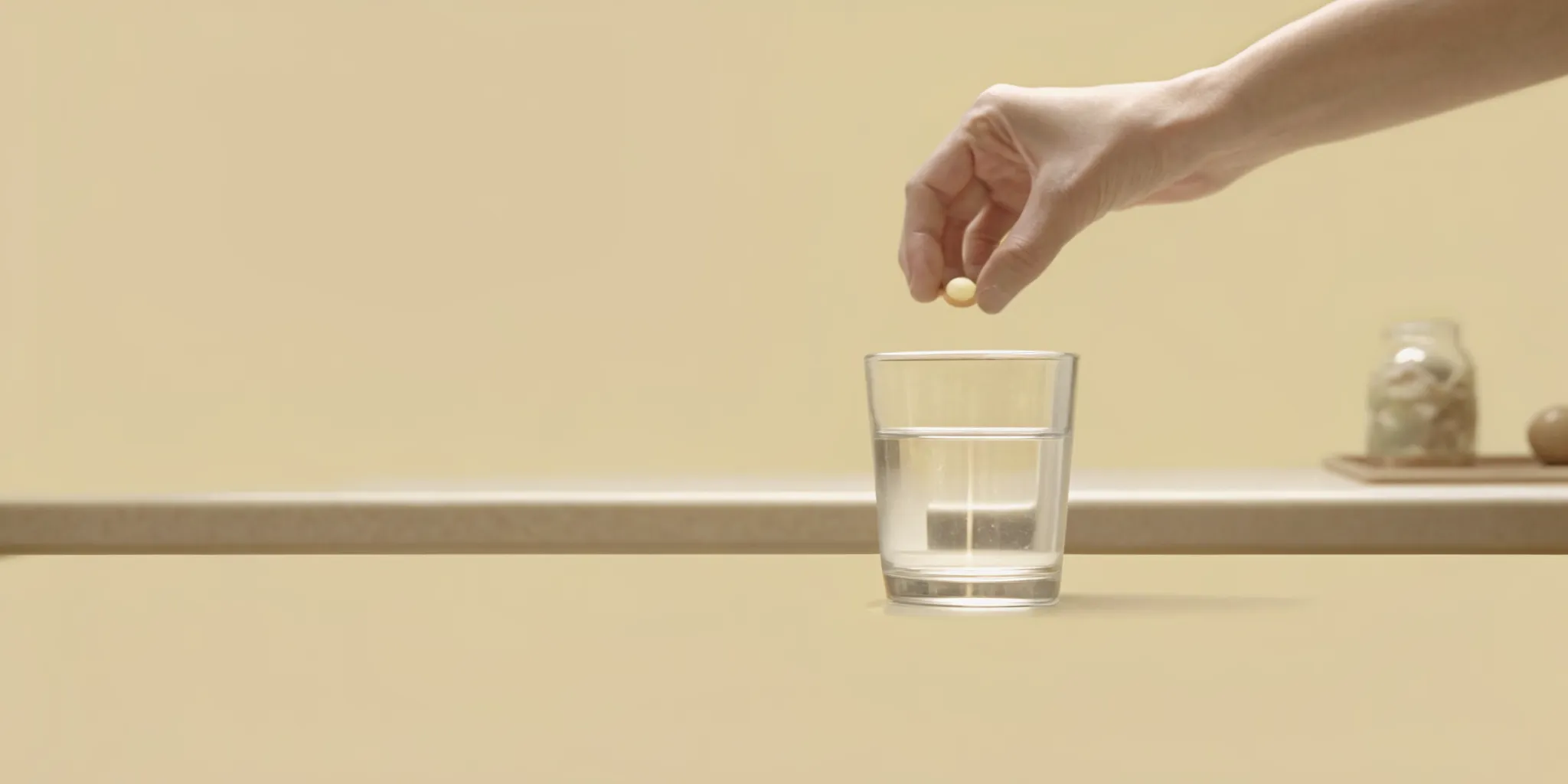
Can You Take Postbiotics on an Empty Stomach?
Yes, you can take postbiotics on an empty stomach without worrying about losing their health benefits. Unlike many live probiotics, postbiotics do not need a food buffer to survive the journey through your digestive system. This flexibility makes them a simple addition to any daily routine, regardless of when you eat your first meal.
Many people wonder if they are wasting their supplement by taking it without food. No. Postbiotics are designed to work with or without a meal. Understanding why requires a quick look at how your stomach works.
Postbiotics and Stomach Acid
The main reason you can take postbiotics without food is their biological stability. Traditional probiotics contain live bacteria that are often sensitive to the harsh, acidic environment of the stomach. To help these live cultures survive, experts often suggest taking them with a meal. However, postbiotics are bioactive substances that do not contain live microorganisms. Since they are inanimate metabolites, they are not harmed by stomach acid or digestive enzymes in the same way live bacteria are.
This acid resistance means the best time of day to take postbiotics is whenever it is most convenient for you. You do not have to plan your dose around a specific snack or meal to ensure the supplement works. Whether you prefer to take your gut balance support first thing in the morning or right before bed, the active compounds remain stable and effective.
Who Might Prefer an Empty Stomach
Some people find that taking supplements on an empty stomach works best for their body. If you practice intermittent fasting, you may prefer to take your postbiotic during your fasting window. Since postbiotics do not contain calories or live bacteria, they will not break your fast. Morning risers who skip breakfast can also take their dose as soon as they wake up with a glass of water.
For travelers, this flexibility is a major plus. You can pack your postbiotic bottle in your bag and take it whenever you land, regardless of meal schedules. There is no need to time your supplement around airport food or hotel breakfast hours.
Building a Consistent Routine
While food is not required for postbiotics to work, some people still choose to take them with a meal. If you have a sensitive digestive system, having a small amount of food in your stomach may help you tolerate any new supplement better. Additionally, linking your supplement to a daily habit, like eating breakfast, can help you stay on track. Research suggests that maintaining consistency with your postbiotics is more important for long-term gut-brain balance than the exact hour you choose to take them.
Ultimately, the goal is to find a time that helps you remember your daily dose. If taking your supplement on an empty stomach helps you stay consistent, you can do so with confidence. Your body will still get the full support for digestive ease and mental clarity that postbiotics provide, even without a meal.
Can You Take Postbiotics With Food?
Yes. You can take postbiotics with food, and for many people, this is the best way to manage their daily routine. Unlike live probiotics, postbiotics are not live bacteria. This means they are stable and can handle the environment of your stomach whether you have eaten or not. You do not have to worry about the best time of day to take postbiotics being tied to your meal times.
Flexibility for Your Gut
There is no strict rule that you must take postbiotics on an empty stomach. While food is not needed for them to work, it can help those with sensitive digestion. Taking your capsule with a meal can help buffer your system and ensure it is easy to tolerate. This flexibility makes postbiotics a simple choice for those who want maintaining consistency with your postbiotics without a rigid plan.
Because postbiotics do not have live microorganisms, they do not face the same risks as live probiotics. Research shows that probiotic survival in the stomach can depend on meal timing, but postbiotics stay stable regardless of when you eat. This stability is one of the main reasons they are a top choice for gut-brain support. Research on postbiotics for gut inflammation highlights their targeted support for digestive comfort.
Using Meals as Habit Anchors
One of the best reasons to take postbiotics with food is simple habit building. Meal times are natural anchors in your day. When you pair your supplement with breakfast, lunch, or dinner, you are more likely to remember it. Over time, the meal itself becomes the reminder. You do not need to set an alarm or check your phone. Your body starts to expect the dose as part of the eating routine.
For people who take multiple supplements, grouping them with meals also simplifies the process. You can take your postbiotic alongside your morning vitamins or your evening magnesium. This consolidation makes your routine faster and easier to follow.
Who Might Prefer Taking With Food
If you have a sensitive stomach or are new to taking supplements, starting with food may feel more comfortable. Some people report mild digestive adjustment when they first begin a new supplement. Food can help ease this transition. Parents who give postbiotics to older children may also find that mixing the supplement into a meal or snack is easier than giving it alone.
Additionally, if you already have a strong morning or evening meal routine, it makes sense to use it. There is no downside to taking postbiotics with food. The only rule is that you take them consistently. Whether that is with your eggs at breakfast or your soup at dinner, your body will process the active compounds the same way.
Morning vs. Night: Does the Specific Time of Day Matter?
Many people want to know if there is a magic hour for supplement timing. Some vitamins work better at certain times. For example, energizing B vitamins are often recommended in the morning, while calming magnesium is taken at night. Postbiotics do not follow these rules. They are neither stimulants nor sedatives. They are simply stable support compounds for your gut-brain axis. This means the specific hour you choose does not change how your body uses them.
The most important factor is taking them at roughly the same time each day. Your body benefits from steady, daily support. A consistent schedule helps you build a habit that you do not have to think about. The best time is the one that reliably fits your life.
Taking Postbiotics in the Morning
Morning is the most popular time for supplement routines. Many people already take vitamins or other pills with their breakfast. Adding a postbiotic to this existing stack is easy. Morning routines also tend to be more predictable than evening ones. You are less likely to skip your dose if something unexpected comes up later in the day. Taking your postbiotic first thing also starts your day with a gut-healthy action. Which can set a positive tone for your food choices and stress management throughout the day.
Taking Postbiotics at Night
Evening routines can work just as well for postbiotic timing. Nighttime is often calmer and less rushed than the morning. You may have more time to focus on your wellness routine without racing out the door. Some people find that taking their postbiotic with dinner or before bed helps them wind down. It becomes part of their signal to the body that the day is ending. Since postbiotics do not contain caffeine or other energizing compounds, they will not disrupt your sleep. In fact, supporting your gut-brain axis may help promote a more restful night by reducing digestive discomfort.
What Matters Most: Consistency Over Clock Time
If you travel across time zones, do not stress about shifting your dose by a few hours. Postbiotic dosing is not like medication that requires precise 12-hour intervals. If you miss your morning dose, take it when you remember. If you usually take it at night but have an early dinner out, take it before you leave. The key is to maintain overall daily consistency, not to hit a perfect minute. This flexibility is one of the greatest advantages of postbiotics over other supplements that demand rigid schedules. Your gut health journey should fit your life, not the other way around. Understanding the gut-brain connection and how postbiotics support it can help you stay motivated.

How to Build a Consistent Postbiotic Routine That Actually Sticks
Many people search for the best time of day to take postbiotics. They want to know if they should take them at 8:00 a.m. sharp or right before bed. While some supplements have strict rules, postbiotics are very flexible. The real key to success is not the clock, but your ability to repeat the habit every single day. Daily postbiotic routine tips often focus on one main point: being regular is more important than the exact hour you choose.
To see real results, you need to keep a steady level of support for your gut-brain axis. Taking your supplement at the same time each day helps keep this balance. When you miss a day, you break the chain of support. If you struggle to remember your dose, it helps to build a system that makes it hard to forget. You can turn a simple task into a fixed part of your life with a few easy steps.
Use Habit Stacking to Stay on Track
The best way to start a new habit is to attach it to an old one. This is called habit stacking. You pick a task you already do every day without thinking. Then, you tell yourself you will take your postbiotic right after that task. This builds a mental bridge between the two actions. Over time, the old habit becomes the trigger for the new one.
Simple Steps for Better Daily Habits
Building a ritual does not have to be hard. You can use tools and simple changes to your space to help you remember. Here is how to make your routine stick:
- Stack with morning habits. Pair your dose with something you already do, like brushing your teeth or drinking coffee.
- Keep the bottle visible. Put your postbiotic bottle where you will see it. A kitchen counter or a nightstand works well.
- Set a digital alarm. Use your phone to set a daily reminder. This helps until the habit becomes a natural part of your day.
- Use a pill tray. A simple weekly tray shows you if you have taken your dose yet. This removes any doubt.
- Try auto-ship services. Use a subscription so you never run out of your supply. Having the bottle on hand is the first step to taking it.
Taking your dose with a meal is another great way to build your ritual. This helps you link the supplement with breakfast or dinner. While food is not a need for the supplement to work, it helps many people stay on track. This makes the habit part of a larger daily event that you are not likely to miss.
Focus on Long-Term Gut Support
In the past, people worried about supplement timing because of stomach acid. For example, some studies suggest that probiotic survival may be better when taken with a meal. Postbiotics are different. They are stable and do not have live bacteria that might die in the stomach. This means you have the freedom to pick the best time for your own life. As long as you take them every day, you are giving your gut the support it needs.
Postbiotics vs. Probiotics: A Side-by-Side Timing Comparison
Choosing the best time to take your supplements depends on whether you use live bacteria or stable compounds. Probiotics contain live microbes that must stay alive as they pass through your gut. To help them survive, you often have to time your dose around your meals. In contrast, postbiotics are not alive. This gives you more freedom in your daily routine.
Probiotic Survival and Meal Timing
Most people need to take probiotics about 30 minutes before a meal or while they eat. Research shows that taking probiotics with food can help them survive the high acid levels in your stomach. When you eat, your stomach acid level changes. This change can protect live bacteria. Some specific strains are hardy and can be taken at any time, but many others need careful planning.
Without this timing, much of your probiotic dose might not make it to your large intestine. This sensitivity is why many probiotic products also need a fridge to stay potent. For a deeper comparison, see our full postbiotics vs probiotics guide. If the bacteria die in the bottle or in your stomach, they cannot give you the health support you want. This makes it hard for many people to stay on track with their gut health goals.
Postbiotic Stability and Flexible Dosing
Postbiotics solve the timing problem because they do not contain live bacteria. These supplements use bioactive substances that are already stable. Because they are not alive, postbiotics are not impacted by stomach acid or enzymes like probiotics are. You do not have to worry about whether your stomach is full or empty when you take them.
This stability means you can keep your postbiotics on your counter or in your bag. You do not need a fridge to keep them strong. This makes it much easier to build a steady daily habit. Consistency is the most important factor for long-term gut-brain support. You can pick the best time of day to take postbiotics based on your own schedule.
Comparing the Two Approaches
| Factor | Probiotics | Postbiotics |
|---|---|---|
| Timing flexibility. | Low (tied to meals). | High (any time). |
| Must take with food. | Often recommended. | Not required. |
| Needs a fridge. | Often yes. | No. |
| Hurt by stomach acid. | Yes. | No. |
| Best to take daily. | Yes. | Yes. |
While probiotics and postbiotics both support your gut, their traits change how you use them. Probiotics focus on adding live strains, while postbiotics give you the helpful products of fermentation directly. If you find it hard to take pills exactly 30 minutes before you eat, the flexible nature of postbiotics might be a better fit for your life.
Frequently Asked Questions
When is the best time of day to take postbiotics?
The best time to take postbiotics is any time you can remember each day. These supplements are stable and do not need live bacteria to work. Because they are not alive, they do not need a strict plan. Picking a time that fits your daily habit is the best way to stay regular. According to SecondKind, being regular with your dose is more vital than the exact hour you choose.
Do postbiotics need to be taken with food?
No, you do not have to take postbiotics with a meal. Postbiotics are simple substances that stomach acid cannot easily destroy. This makes them more flexible than probiotics. You can take them on an empty stomach without losing their power. Some people still choose to take them with food to help their stomach feel better. Research from PMC shows that these substances work well even without the help of a meal.
Can you take probiotics and postbiotics together?
Yes, you can take both probiotics and postbiotics at the same time. Many people use them together to support a healthy gut-brain balance. Probiotics add live bacteria to your gut. Postbiotics provide the helpful parts those bacteria produce. Since postbiotics are stable and do not fight with live strains, they can be part of the same daily routine. This pair helps keep the natural state of your gut according to the NIH.
Are there benefits to taking postbiotics at a specific time?
There is no major health benefit to taking postbiotics at one specific time over another. The most useful time is the one that helps you build a solid habit. Whether you take them in the morning with coffee or at night before bed, the results stay the same. The focus should be on daily use to help support your gut-brain axis. Making it part of a ritual ensures you get the support you need every single day. Research on the gut-mood connection shows how consistent postbiotic use supports emotional balance alongside digestive health.
Does taking postbiotics at night affect sleep?
Taking postbiotics at night should not affect your sleep. These supplements do not contain caffeine or other things that keep you awake. In fact, many people find that a night routine helps them stay regular with their gut health goals. Since postbiotics are stable, they work the same way regardless of when you take them. They are designed to support your body while you rest. This makes them a safe choice for your evening wind-down routine.
Ready to Simplify Your Gut Health Routine Today?
Every day you wait to support your gut is another day of feeling foggy, bloated, and out of balance. By starting your new habit today, you can begin to support your gut-brain axis with a stable tool that does not need a cold fridge. Learn more about the key health benefits of postbiotics and why they work differently from probiotics. Choosing to act now means you can stop the cycle of trial and error and start to feel the benefits of steady gut support sooner.
Shop SecondKind Gut Balance today and start feeling the difference that consistent, daily gut support can make for your energy, mood, and digestion.
These statements have not been evaluated by the Food and Drug Administration. This product is not intended to diagnose, treat, cure, or prevent any disease.