


Real bloating relief starts by matching the right response to the likely cause. A short walk, warmth, or hydration may ease pressure now, while steady food, movement, and gut-support habits can help you understand and reduce recurring discomfort.
Shop Gut Balance for daily postbiotic gut support.
Finding effective bloating relief involves fixing both the fast signs and the hidden bacteria balance of the gut. Most fast fixes only mask the tightness, but a science-based plan using postbiotics helps support healthy gut bacteria. Studies in clinical research show that postbiotics are a good way to support stomach comfort. By delivering heat-treated active parts directly to the gut, these ingredients help support digestive ease within the first week. Long-term results often appear after two to three months of steady support. This leads to a stronger gut system that can handle many types of food without the tight feeling that often follows a meal.
Finding the right solution for gut tightness starts with understanding what may be driving the discomfort.
Bloating relief starts with the likely cause
Finding science-backed bloating relief methods often starts with finding out why it happens. Bloating is not just one simple issue. It is a mix of factors that change how you feel every day. Most people feel full, tight, or swollen in their belly. Research shows that functional bloating is a common gut health problem. It is often a mix of factors and can become a chronic issue if not managed well. Knowing the root cause is the first step toward finding a plan that works for you.
Trapped gas and air
Many people feel bloated because of gas in the gut. About 10% to 20% of adults deal with digestive gas symptoms like belching. It is normal to pass gas 12 to 25 times each day. But if gas stays trapped, it creates painful pressure. This often happens if you swallow too much air while you eat or drink. Eating too fast or using straws can lead to more air in your gut. Chewing gum or drinking fizzy drinks also adds air to your system. When this air cannot escape, your belly may feel hard or look larger than usual.
Constipation and slow transit
Slow digestion is another top reason for belly pressure. When waste moves slowly through the gut, gas can build up behind it. Experts say that constipation is a main cause of gas for many people. If you do not have regular bowel movements, your gut cannot clear out gas easily. This leads to a heavy and tight feeling that can last for hours. If you struggle with slow transit, you might feel the most pressure later in the day. Improving how fast food moves through your gut is a key part of gut health. When your system stays on track, gas has fewer chances to get stuck and cause pain.
Food and lifestyle triggers
What you eat plays a big role in how your gut feels. Some foods are hard for the body to break down. These foods can ferment in the gut and create more gas. Common triggers include beans, onions, and some dairy products. You might also find that your body changes as you get older. Age is an important factor in why bloating occurs. Your gut may become more sensitive to certain habits or foods over time. Stress can also play a role by changing how your brain and gut talk to each other. A simple walk can help move gas through your system and offer relief.
What helps bloating fast?
When your gut feels tight and full, you want help that works right away. Many people deal with these issues, as about 10% to 20% of adults have digestive complaints like gas or bloating. Finding quick comfort involves moving your body and calming your gut system.
Movement for relief
Light movement is one of the best ways to get things moving. A slow walk can help push gas through your digestive tract and lower tension. Research shows that walking can reduce bloating and other gut symptoms. Try to take a short stroll after you eat to keep your system active and clear.
Gentle gut support
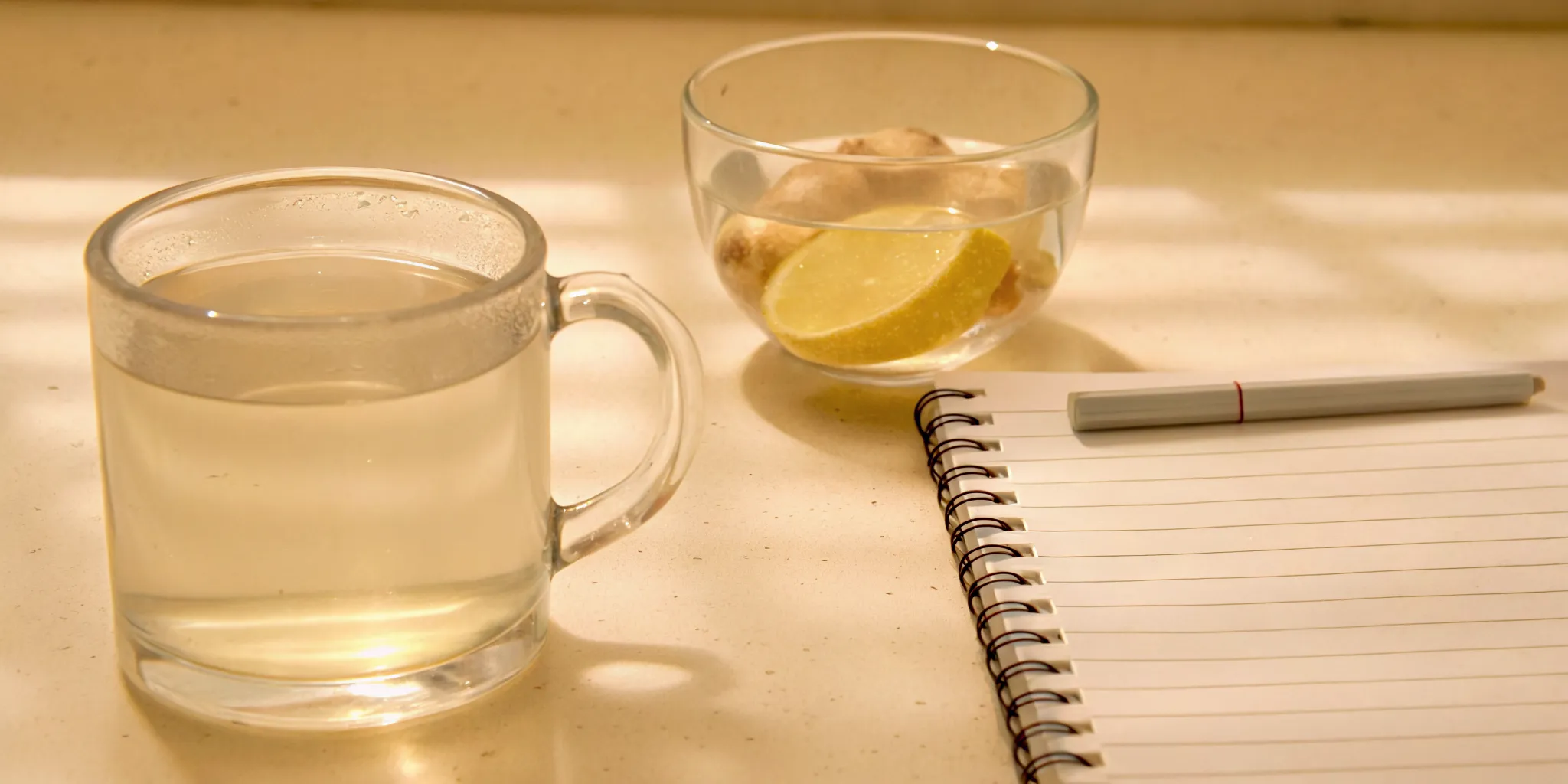
Heat and hydration can also play a big role in how you feel. A warm pack on your belly can help relax the muscles in your gut. Drinking water or herbal tea helps flush your system and may ease tightness. These steps are simple but can make a big change in your daily comfort levels.
You can follow these steps to find ease when you feel full:
- Take a ten-minute walk to help move trapped gas through your system.
- Apply a warm heat pad to your lower belly for fifteen minutes to relax your gut.
- Sip warm water or peppermint tea to soothe your digestive lining.
- Try deep belly breaths to lower stress and relax your internal muscles.
- Use science-backed bloating relief methods to help manage quick symptoms.
Check for patterns
While quick steps help, you should also look at why you feel this way. Small changes like eating slower or drinking less air can stop the problem before it starts. If your gut feels full often, you might need daily bloating relief support to keep your microbiome stable and happy.
Fast comfort versus long-term bloating support
Bloating can make you feel heavy and tired all day. Many people look for science-backed bloating relief methods to find ease right away. While quick fixes help in the moment, they do not always fix the main cause. True gut health needs both fast help and steady habits to keep the body in balance.
Quick steps for fast relief
When you feel full and tight, you want help as soon as you can get it. Simple choices like a short walk can lower bloating in people with gut issues. Moving your body helps gas move through your gut more easily. In one study, people found bloating relief in just 120 minutes after using certain plant parts.
Other ways to get fast help include using heat or drinking warm tea. These steps can relax the gut and help you feel less tight. While these tools are good for a quick fix, they do not stop the gas from coming back later. You still need to look at what is causing the gas to build up in the first place.
Daily habits for lasting change
For fewer bad days, you need a long-term plan like postbiotics to help your body without using live bacteria. They are safe and stable because they are made of inanimate parts that do not grow in the body. Using daily support can help your microbiome stay steady and strong over time. Research shows that postbiotics help strengthen the gut wall and support your immune system.
Consistent daily habits can support gut balance over time. Unlike a quick comfort measure, a routine gives you a clearer way to notice patterns and learn what works for you.
| Goal. | Fast Relief. | Long-Term Support. |
|---|---|---|
| Main focus. | Ease symptoms now. | Support gut balance. |
| Time to work. | Minutes to hours. | Weeks to months. |
| Common tools. | Walking or herbs. | Daily postbiotics. |
| Main result. | Less tight feeling. | Stronger gut wall. |
| Daily need. | Use when needed. | Practice consistently. |
Finding the right balance
A good gut routine uses both paths to keep you feeling well, with quick relief helping when you feel bad. Long-term habits build a base so you feel bloated less often. By using postbiotics daily, you help your gut stay calm and strong. This two-part approach gives you the best chance to feel light and active.
Daily food habits for lasting bloating relief
Managing what and how you eat is a key part of understanding bloating and its causes. Many people find that their gut issues come from daily habits rather than a single meal. Small shifts in your routine can help your gut work better. This leads to more support for your gut without the need for strict diets. Focus on slow changes that you can keep up over time.
Smart fiber changes
Fiber is vital for gut health, but adding too much too fast can cause gas. It is best to increase your fiber intake slowly over several weeks. This gives your gut microbes time to adjust. People with functional abdominal bloating often find that a slow approach works best. This issue is a common gut health state that needs a long-term plan to manage.
As you add more beans, oats, or greens to your plate, make sure to drink more water. Water helps fiber move through your gut. Without enough fluid, fiber can lead to constipation. This is a main cause of gas and pressure in the gut. Aim for a steady rise in fiber while keeping your hydration high for the best results.
Better eating pace
How you eat is just as key as what you eat. Eating too fast often leads to gulping air. This air builds up as gas and can cause pain or a full feeling. Try to slow down and chew your food well. This starts the breakdown of food in your mouth. It also gives your brain time to sense when you are full.
About 10% to 20% of adults deal with gut issues like gas. Taking smaller bites and sitting up straight while you eat can help. Do not use straws or chew gum often, as these can also lead to swallowed air. Small shifts in your form during meals can lead to a big drop in daily gas.
Tracking your patterns
Keep a simple log of what you eat and how you feel each day. This helps you find which foods might trigger your gut symptoms. You may find that certain high-fiber foods or dairy are the source of your stress. Write down your meals and any symptoms like gas or pain. Over time, a clear pattern will emerge from your notes.
Some people find success with a low FODMAP plan. This plan cuts out certain carbs that can ferment in the gut. It is best to try this with a health pro to make sure you get all your health needs. Tracking helps you see the link between your habits and how you feel. This data makes it easier to set up a food plan that works for your life and your gut.
How the gut-brain connection shapes bloating
The link between your brain and your gut is a two-way street. This link, often called the gut-brain axis, plays a big role in how you feel after you eat. When you feel stress or worry, your brain sends signals to your gut. These signals can change how fast food moves through you. They can also make your gut more sensitive to gas. This often leads to a need for science-backed bloating relief methods that help both mind and body.
How stress affects your gut
When you are stressed, your body moves into a state of high alert. This shift can slow down your digestion or cause your gut muscles to tighten. These changes often trap gas in your gut. This trapped gas can cause your stomach to feel tight and full. For some, this link is a main cause of gut bloating. This is a common issue that can lower your quality of life if you do not manage it well (PMC10787906). Reducing stress may help ease these gut signals.
The role of movement and sleep
Your daily habits also shape this internal link. Simple movement, like walking, helps your gut move gas along. Research shows that adding 6,000 steps to your day, three times a week, can lower the severity of your bloating (PMC11594471). Sleep is just as vital. When you sleep, your body repairs your gut and balances the chemicals that talk to your brain. Lack of sleep can disrupt this balance. This may lead to more gas and a higher risk of feeling bloated the next day.
Postbiotic support for gut-brain balance
You can also support this axis with the right nutrients. Postbiotics are a new way to help your gut and mind work together. These are microbes that give real health benefits but are not live (PMC9863882). Unlike probiotics, they are stable and do not need to stay cold. Some people use daily bloating relief support to help keep their gut calm. These tools work by making the gut wall strong. This helps the gut talk to the brain more clearly and may lead to a more stable gut over time.
Build a routine that supports a calmer gut
Many people deal with gas and pressure every day. In fact, about 10 to 20 percent of adults have these gut issues. These problems often have many causes that can last a long time. To find real science-backed bloating relief methods, you need a clear plan. A simple one-week routine helps you see what works for your own body. This steady path helps you make small shifts that lead to big results. Doing one goal at a time makes the work much easier to handle.
Observe your gut patterns
Start your week by tracking your daily habits in a simple log. Note what you eat and when you feel full, tight, or heavy. This helps you find your own triggers and patterns. You might notice that some foods or high stress cause your gut to react. Be sure to drink enough water as well. Drinking water helps keep your system moving and prevents waste from getting stuck. Do not try to change every habit at once. Pick one small thing to change and see how your body feels after a few days.
Movement for bloating relief
Regular movement is one of the best tools for gut health. Research shows that a structured walking program can lower bloating levels in people with tender guts. You do not need to run or do hard workouts to see a change. Aim to add about 6,000 steps to your day at least three times a week.
The World Health Organization suggests getting 10,000 steps daily to stay in good health. Walking helps massage your gut and move gas through your system more quickly. Even a short ten-minute walk after a meal can help reduce gut tension and ease pressure. This simple habit keeps your body active and supports your gut all day long.
Steady habits and gut health
It is easy to feel upset when your gut does not feel right. You might want to change your whole life in one day. But the best way to get bloating relief is to go slow. Start with one simple change, like drinking more water or taking a walk. Once that feels easy, add another habit. Your gut needs time to adjust to these shifts. It often takes a few weeks for your gut system to reach a new balance.
Using a daily bloating relief support can also help keep your system stable during this time. Postbiotics are a great choice because they do not need a fridge. This makes it easy to stay with your routine even when you travel or work late. Most people feel a change in their gut comfort within the first month. Stick to your plan for at least thirty days to see the best outcome.
When should you talk to a healthcare professional?
Most people feel a bit of gas or belly pressure from time to time. While small changes often help, some signs mean it is time to get medical advice. If your belly feels full and tight for a long time, a doctor can find the cause. They can help you find science-backed bloating relief methods that fit your needs.
Recognizing red flag symptoms
You should see a doctor if your gut issues come with major red flags. These signs include weight loss you did not plan for or blood in your stool. High fever or severe pain that does not go away are also key signs. These flags may point to issues like SIBO or other gut health concerns. A study shows that many gut conditions are multi-factorial and can become chronic without the right care (PMC10787906).
Checking for chronic patterns
Is your bloating constant? If your symptoms last for weeks, you should not ignore them. Constant belly pressure can lower your quality of life. A doctor can check for things like food allergies or gut infections. They can help you see if a daily bloating relief support is safe for you to use. Professionals can also test for SIBO, which is a known cause of chronic belly distension (PMC10787906).
Monitoring sudden changes
Watch for sudden changes in how your body works. This includes a big change in your bowel habits or if your belly girth grows fast. If simple steps like walking or diet do not help, you need a check-up. Research shows that walking can help with bloating in many cases, but it may not fix every issue. If your symptoms stay the same or get worse, talk to a pro to rule out serious health problems.

Frequently Asked Questions
What is the best way to get fast bloating relief?
Fast bloating relief often comes from moving your body or using specific plant extracts. A short walk can help move trapped gas through your system in minutes. Research shows that certain plant proteins can also provide relief in as little as 120 minutes. You can also use a warm heat pad on your belly to relax your muscles and ease the tight feeling. These simple steps work well to help you feel at ease and light quickly.
Which over-the-counter medications provide bloating relief?
Common drugs for bloating relief include simethicone, which helps break up gas bubbles in your gut. While many people use it, some newer studies suggest that plant-based options like xyloglucan and pea proteins may be more helpful. One study found that these items led to a 77.5% drop in symptoms by the eighth day of use. Always talk to a doctor before you start a new drug to ensure it is the right choice for your gut.
Are there natural remedies for bloating relief?
Many natural remedies can help soothe a bloated gut and provide comfort. Peppermint tea and ginger are popular choices that can relax the muscles in your gut system. You can also use postbiotics, which are not live microbes that support a healthy gut wall. Unlike probiotics, these do not need to stay cold and are very stable. Using these tools daily can help you manage gas and keep your gut in a steady balance over time.
Does walking help with bloating relief?
Walking is a very good way to ease gas and find relief from bloating. Moving your body helps push trapped air through your gut and lowers pressure. Research shows that walking 6,000 steps three days per week can lead to a big drop in gut symptoms. This simple habit is free and easy to do after a meal. Aim for a ten-minute walk to help your system work better and keep your belly feeling light and at ease.
Are you ready to find daily relief from bloating?
Leaving gut issues alone can make the cycle of pain and brain fog last much longer. If you do not act now, you may face weeks of the same stress and gut tension. You can feel a real shift in your gut balance in just one week with the right tools. Waiting to fix these problems only keeps you from the energy and clear mind you want every day. You do not have to keep guessing which methods backed by science will work for your body. Taking a step today means you can stop the trial and error and start feeling better by next week. Your gut and your mind will thank you for making the choice to start this new path now.
Ready to build a steadier gut-support routine? Shop Gut Balance for daily postbiotic support, or contact us with questions.

