Can Dehydration Cause Bloating? The Hidden Connection
Yes, dehydration can cause bloating. When your body is low on water, your digestive tract slows down, leading to constipation and trapped digestive gases. Additionally, fluid depletion triggers systemic water retention and sodium imbalances, which cause abdominal puffiness and stubborn abdominal tightness.
If you have ever felt an uncomfortable tightness in your stomach and wondered, can dehydration cause bloating, you are not alone. Dehydration significantly slows digestion, leading to trapped gas and sudden water retention, which is why keeping your gut hydrated and balanced is so essential. If you are struggling with persistent stomach pressure, try SecondKind Gut Balance today to support daily regularity and bloating relief naturally, then read on to discover how fluid loss impacts your GI tract.
The Physiology of Fluid Loss and Digestion
Since the human body is composed of approximately 60% water, maintaining adequate hydration is crucial for both temperature regulation and optimal digestion. Dehydration occurs when the body loses more fluid than it takes in, preventing it from functioning normally. When fluid levels drop, the digestive tract slows down, forcing the body to conserve water and leaving you feeling sluggish.
Why Dehydration is Often Overlooked
When seeking a way to reduce bloating, many of us overlook our simple hydration status, focusing instead on complex elimination diets. However, because mild dehydration doesn't always trigger intense thirst, its impact on gut comfort is easily missed. Deprived of fluid, the GI tract reacts by retaining what water remains, resulting in puffiness and tightness.
Moving Beyond Generic Bloating Advice
At SecondKind, we believe in a science-first approach. Supporting gut balance is not just about avoiding trigger foods; it is about providing your digestive system with the foundational hydration it needs to thrive. Next, we will explore the precise biological pathways connecting water intake to gut comfort and share actionable steps to help support your daily hydration.
How Does Dehydration Lead to Bloating?
Dehydration leads to bloating by slowing digestion and trapping gas. When fluid levels drop, stomach emptying is delayed, and the intestines absorb excess water from waste. This results in hard, dry stool that stalls transit, allowing fermentation gases to build up and cause painful abdominal pressure.
Delayed Gastric Emptying and Stomach Discomfort
When the body does not receive enough water, it immediately goes into conservation mode, prioritizing vital organs and pulling moisture from the digestive tract. This can cause a noticeable shift in how you process food, often manifesting as delayed gastric emptying. Without sufficient fluids, the stomach cannot efficiently break down its contents, which frequently leads to a persistent feeling of heaviness or discomfort in the stomach. This temporary slowdown can leave you feeling sluggish and uncomfortably full long after you have finished a meal, disrupting the natural rhythm of your upper digestive tract.
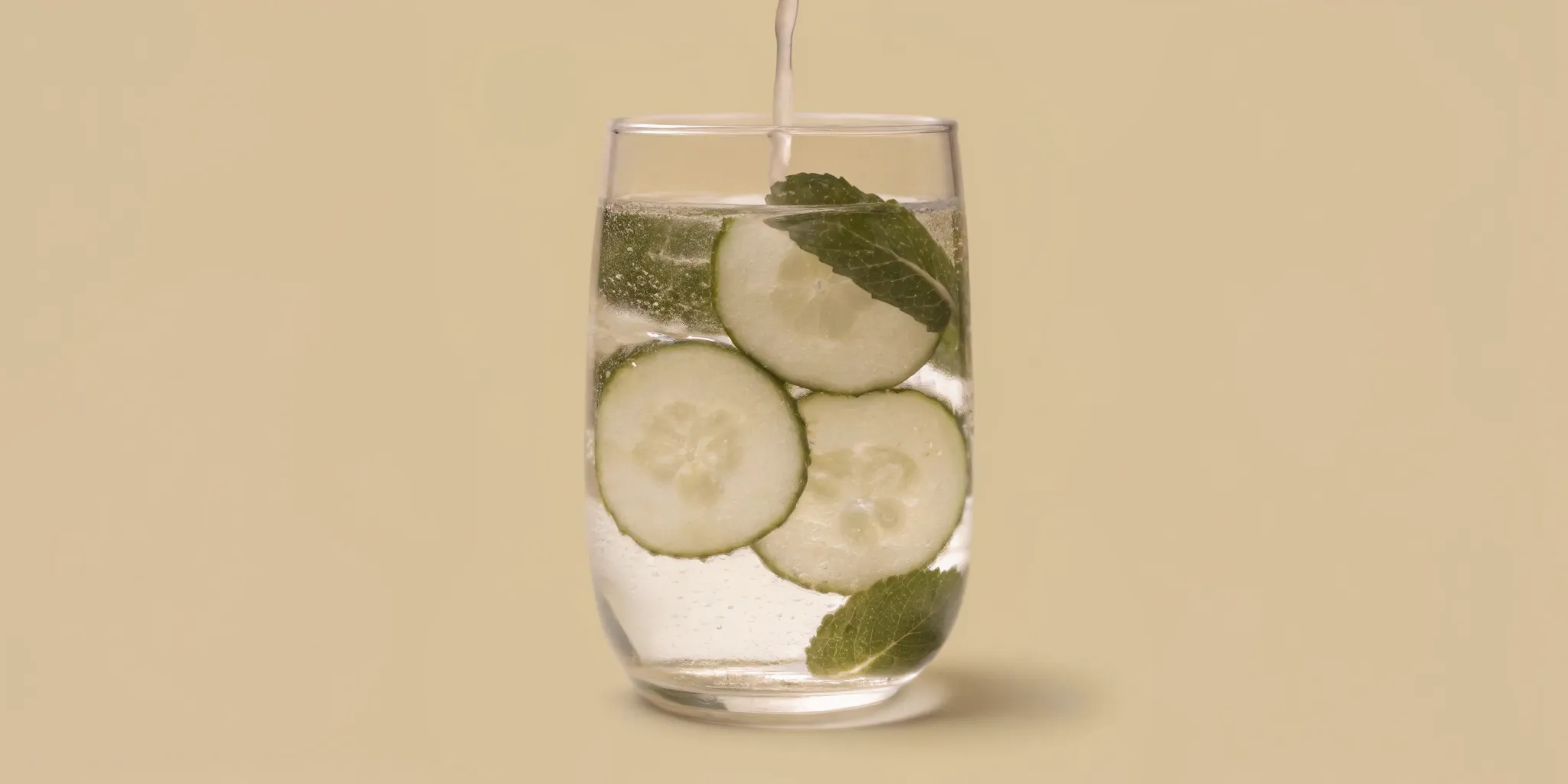
How Fluid Depletion Slows Down Your Tract
Proper hydration is essential for numerous bodily functions, ranging from regulating your internal temperature to aiding digestion and supporting metabolic activity. When fluid levels drop, the enzymatic and muscular processes that move food through your system begin to stall. Digestion relies on a steady stream of water to liquefy nutrients and facilitate smooth transit through the esophagus, stomach, and intestines. Without this vital lubricant, the entire gastrointestinal system must work significantly harder to perform its daily duties, leading to a general sluggishness throughout your entire digestive tract.
The Intestinal Response to Water Shortages
In the lower GI tract, a lack of water triggers a survival mechanism that actively holds onto whatever fluid is left. Dehydration can contribute to fluid retention and slower digestion, which are common causes of abdominal bloating. As your intestines pull water back into the bloodstream to maintain systemic balance, the remaining waste becomes dry and difficult to move. This stalled transit allows naturally occurring digestive gases to accumulate and expand, creating that familiar, uncomfortable sensation of abdominal pressure and tightness. Supporting your body's fluid needs is a simple, fundamental way to keep things moving smoothly and maintain digestive comfort.
Recognizing the Signs of Dehydration in the Stomach
Signs of dehydration in the stomach include persistent heaviness, sluggish digestion, and visible abdominal swelling. Unlike typical gas pain that shifts, dehydration-induced stomach discomfort is a firm, continuous fullness. This is often accompanied by dark-colored urine, extreme thirst, dry mouth, and systemic fatigue.
Identifying why your digestive system feels off is the first step toward lasting comfort. When your body is low on water, it communicates through specific, often overlooked physical cues.
Distinguishing Gas Bloat from Dehydration Bloat
Understanding the difference between typical gas and fluid buildup can help you address discomfort more effectively. While gas-related pressure often shifts throughout the day, the combination of dehydration and bloating creates a stubborn, persistent fullness. Furthermore, some bloating may be accompanied by physical abdominal swelling, known as distention. This means you might notice a visible change in how your clothes fit, even without eating a heavy meal.
Feelings of Heaviness and Sluggishness
Among the primary signs of dehydration in stomach, a deep and sluggish pressure is particularly common. When the body is deprived of fluids, it slows down digestive transit to conserve water. As a result, dehydration may manifest as a feeling of heaviness or discomfort in the stomach. This heavy feeling reflects a digestive tract that lacks the lubrication needed to process and move food smoothly.
Other Subtle Clues Your Gut is Running Dry
Your digestive tract relies on systemic hydration, meaning a dry gut usually occurs alongside broader bodily warning signs. For instance, adults suffering from dehydration may experience symptoms like extreme thirst, dark-colored urine, tiredness, and confusion. Noticing these subtle signals can prompt you to rehydrate and support your digestive wellness before the discomfort intensifies.
Dehydration, Constipation, and Abdominal Bloating
The connection between dehydration, constipation, and bloating is a direct result of slowed intestinal transit. When you are dehydrated, your colon reabsorbs excess water from digesting food, making stool hard and dry. This stalled waste fermented by gut bacteria creates trapped gases that cause abdominal distention and pressure.
When looking at the dual discomforts of dehydration constipation bloating, it becomes clear that these symptoms are deeply interconnected. Bloating and abdominal distention are commonly reported in clinical practice as part of various digestive disorders. Often, the root of this discomfort traces back to how your body handles a lack of fluids, setting off a chain reaction in your lower digestive tract.
How the Colon Reabsorbs Water
The colon's primary job is to process waste by absorbing water and electrolytes, returning them to the bloodstream to maintain system-wide hydration. However, when you are dehydrated, the body tries to conserve as much fluid as possible. The colon is forced to pull excessive amounts of water out of the digesting food. This makes stool hard, dry, and difficult to pass, slowing the entire digestive process down. Dehydration can lead to constipation, which is a significant factor in abdominal bloating.
The Impact of Stalled Transit on Gas Accumulation
When digestive transit stalls, waste sits in the colon for much longer than intended. The gut microbiome continues to break down this undigested material through fermentation. Because the tract is sluggish, the gases produced during this process have nowhere to go, causing them to build up inside the intestinal walls. This trapped gas exerts pressure outward, leading to the distinct, uncomfortable sensation of abdominal tightness and stretching that makes bloating so disruptive.
Breaking the Cycle of Chronic Sluggishness
While dealing with sluggish digestion can feel frustrating, you do not have to settle for daily discomfort. Simple lifestyle and diet changes can often significantly improve bloating symptoms. By prioritizing daily fluid intake and supporting your gut with targeted nutrition, you can encourage smooth transit. For those seeking immediate strategies to ease this pressure, implementing a structured fast bloating relief protocol can help restore comfort and keep your digestive system moving efficiently.
Can Electrolyte Imbalance Cause Bloating?
Yes, an electrolyte imbalance can cause bloating by triggering water retention. When sodium levels rise or potassium levels dip, the osmotic balance is disrupted, forcing cells to retain excess extracellular fluid. This fluid retention manifests as physical abdominal swelling and a tight, uncomfortable stomach.
While many associate a tight abdomen with digestive slow-down, the underlying trigger can often be cellular chemistry. When fluid distribution is disrupted, it can manifest as noticeable swelling.
Understanding Water Retention and Osmotic Balance
The human body is composed of approximately 60% water, making hydration crucial for temperature regulation and digestion. However, hydration is not just about water volume, but where that fluid lives. To maintain osmotic balance, water shifts across cell membranes based on mineral concentrations. When this delicate system falters, water pools in extracellular spaces. Some bloating may be accompanied by physical abdominal swelling, known as distention. This fluid shift emphasizes how closely hydration is tied to daily comfort.
The Key Role of Sodium and Potassium
Sodium and potassium act as primary fluid regulators. An electrolyte imbalance, particularly involving sodium, can contribute to the body retaining fluid, resulting in a bloated feeling. When sodium levels spike or potassium levels dip, cells hold excess moisture to dilute the concentration, triggering sudden water retention. Keeping these minerals in sync is a foundational step toward daily gut comfort.
| Electrolyte. | Primary Dietary Sources. | Role in Fluid Balance. | Impact of Imbalance. |
|---|---|---|---|
| Sodium | Sea salt, celery, beets, Swiss chard. | Maintains extracellular fluid volume and osmotic pressure. | Spikes trigger water retention, puffiness, and bloating. |
| Potassium | Bananas, avocados, spinach, coconut water. | Regulates intracellular fluid volume and balances sodium. | Deficiencies cause cells to hold excess moisture and stall transit. |
Why Drinking Pure Water is Sometimes Not Enough
When you feel the sluggishness of dehydration, the natural instinct is to reach for pure water. However, chugging plain water without replenishing minerals can dilute your system, worsening the imbalance. Achieving true balance requires fluids and minerals working in tandem to support digestion and fluid distribution.
How to Fix Dehydration Bloating for Lasting Comfort
To fix dehydration bloating, you must restore fluid consistency, balance your electrolytes, and stabilize your microbiome. Sipping water regularly, eating water-rich whole foods like cucumber and celery, and taking shelf-stable postbiotics help encourage digestive transit and release retained water naturally for lasting abdominal relief.
Learning how to fix dehydration bloating is not just about gulping down a single glass of water when you finally feel thirsty. Instead, it requires a proactive and consistent approach to daily self-care. Managing bloating requires an active role in care, especially when addressing dietary and lifestyle habits that influence how your body holds onto or releases fluids. Cultivating sustainable daily habits for gut health can fundamentally transform your overall digestion and prevent that uncomfortable, heavy feeling before it even starts.
To systematically release retained water and ease abdominal pressure, follow these three essential steps:
- Sip Water Consistently: Drink small amounts of filtered water regularly throughout the day. Avoid chugging large amounts at once to keep your digestive tract lubricated without diluting minerals.
- Incorporate Hydrating Foods: Enjoy water-rich fruits and vegetables like cucumber, celery, and watermelon to naturally flush excess sodium and balance osmotic pressure.
- Stabilize Your Microbiome: Support your gut-brain axis with targeted daily nutrients, such as stable postbiotics, to reinforce gut wall integrity and digestive transit.

Optimal Daily Water Intake and Consistency
To address stubborn fluid retention and support your body's natural digestive processes, aim for consistent hydration throughout the day rather than drinking large quantities all at once. The deep. Physiological connection between gut health and water intake means that a steady supply of fluids is absolutely essential to keep food moving smoothly through your gastrointestinal tract. When your system is well-hydrated, it prevents the sluggish transit times and fermentation that typically lead to excess gas and painful abdominal pressure.
Integrating Hydrating, Water-Rich Whole Foods
Sipping water is only one facet of a comprehensive hydration strategy; you can also nourish and hydrate your body through the foods you choose to eat. Incorporating water-rich foods such as watermelon and cucumber can help support hydration levels and reduce bloating by supplying vital nutrients and fiber alongside their high water content. These nature-crafted foods assist in gently flushing out excess sodium and balancing electrolytes, allowing your body to release stored fluids and bloating naturally.
Supporting the Gut-Brain Axis and Microbiome
Beyond standard hydration, achieving lasting digestive harmony requires a deeper focus on your internal ecosystem and the trillions of microbes residing there. Maintaining gut microbiome balance is foundational for managing digestive symptoms. SecondKind's gut-brain health products are designed to support gut balance as a foundation for managing digestive symptoms, utilizing advanced, heat-stabilized postbiotics that communicate directly with your nervous system. By pairing daily, intentional hydration with scientifically backed gut support, you can establish lasting relief and feel comfortable in your own skin again.
Common Questions on Dehydration and Bloating
Common questions on dehydration and bloating focus on weight fluctuations, recovery speed, and medical guidelines. Dehydration can lead to temporary water weight gain, but rehydrating can relieve swelling within a few hours. However, if bloating is chronic or accompanied by severe pain, consult a healthcare provider.
Can Dehydration Cause Bloating and Weight Gain?
When your body lacks sufficient fluid. It goes into survival mode and holds onto water to prevent further loss. which can lead to temporary water weight gain and a puffy midsection. While this weight fluctuation is not fat gain. Chronic bloating may be a crucial signal to evaluate daily lifestyle habits such as water intake to ensure your body has the resources it needs for proper digestion. Supporting your digestive tract with consistent fluid intake and targeted postbiotic support can help maintain structural gut balance.
How Fast Can Hydration Relieve Abdominal Swelling?
Drinking water can help flush out excess sodium, which prompts your kidneys to release stored fluids. For most people, rehydration can begin to relieve mild, dehydration-induced abdominal swelling within a few hours as your digestive processes normalize. Ensuring steady hydration throughout the day is a simple, proactive way to help keep your digestive system moving smoothly.
When to See a Doctor for Persistent Bloating
Bloating is incredibly common, with about 14% of American adults reporting they experienced bloating within a given week. Interestingly, many individuals who experience bloating do not seek medical advice. While occasional belly swelling is normal, chronic or persistent bloating can be associated with underlying digestive conditions such as irritable bowel syndrome (IBS). Persistent bloating that does not improve with hydration should be evaluated by a healthcare professional to rule out conditions like IBS and ensure you receive proper guidance.
Frequently Asked Questions
Does drinking more water help with bloating?
Yes, drinking water helps move waste through your gut. When you lack fluids, your body holds onto water. This can cause a tight or full feeling in your belly. Proper hydration helps prevent constipation and gas. Experts at AFC Urgent Care say water supports digestion and helps stop fluid retention. Aim for steady water intake all day to keep your system working well.
What are common signs of dehydration in the stomach?
You might feel a heavy or tight feeling in your belly. This often feels like pressure rather than just gas. You may also notice you are less regular. Other signs include extreme thirst or dark urine. Experts at Mayo Clinic note that dizziness or fatigue often come with these gut issues. If your stomach feels sluggish and firm, you might need more fluids.
What foods help reduce bloating and dehydration?
Eating foods with high water content can help you stay hydrated. Watermelon, cucumbers, and peaches are great choices for your gut. These foods provide fluids and fiber to help digestion. Research from AFC Urgent Care shows that water-rich fruits and vegetables can lower water retention. Adding these to your diet helps support a flat and easy stomach.
When should I see a doctor for chronic bloating?
You should see a doctor if your bloating does not go away after you drink more water. Long pain or swelling can be a sign of a deeper issue. Conditions like irritable bowel syndrome may need medical care. Experts at Dr. David Yamini's office suggest seeking help if symptoms last for weeks. It is important to rule out other health problems if hydration does not fix the issue.
Conclusion: Hydration as the Foundation of Gut Balance
Achieving a calm, bloating-free digestive system is not about quick fixes; it requires looking at your body's needs from a holistic perspective. While staying hydrated is an essential component of gastrointestinal wellness, it is only one part of a larger, interconnected system that includes your gut-brain axis.
Why Water is Only the First Step in Digestive Health
Often, simple lifestyle and diet changes can significantly improve bloating symptoms. Drinking sufficient water helps ensure that waste moves smoothly through your GI tract, preventing the sluggishness that leads to gas accumulation. However, hydration alone cannot resolve bloating if the underlying ecosystem is out of harmony. Achieving lasting comfort requires addressing the deeper layers of gut function.
The Synergistic Power of Hydration and Postbiotics
To truly keep bloating at bay, maintaining gut microbiome balance is foundational for managing digestive symptoms. When your body is fully hydrated, your gut lining and beneficial microbes have the fluid environment they need to function optimally. This is where SecondKind's gut-brain health products are designed to support gut balance as a foundation for managing digestive symptoms. By delivering shelf-stable postbiotics, SecondKind helps your microbiome and nervous system communicate effectively, reinforcing your body's natural defense against digestive discomfort.
Taking Action for a Comfortable, Vibrant Gut
Ready to feel like yourself again? Try SecondKind Gut Balance for $49.99 as a one-time purchase, or subscribe for just $42.49 to receive continuous bloating and digestive comfort support with free shipping. For complete support, our Gut-Brain Bundle is available for $84.99 one-time ($75.64 on subscription) and also qualifies for free shipping. Taking these proactive steps can help restore microbiome balance, giving you the comfortable, vibrant gut you deserve.