Ready to enjoy your coffee without the stomach jitters? Shop Gut Balance postbiotic gut-brain support today for fast, felt support and a balanced microbiome.
Ready to enjoy your coffee without the stomach jitters? Shop Gut Balance postbiotic gut-brain support today for fast, felt support and a balanced microbiome.
The path to better health begins as we analyze how coffee interacts with your digestive system.Coffee And Gut Health: How Coffee Interacts with Your Digestive System
Key Takeaway: Coffee stimulates gut motility by 60% compared to water. This rapid muscle contraction in the colon can occur in as little as four minutes after your first sip, depending on your individual gut-brain axis sensitivity.
For many people, a cup of coffee is the first step of the day. This habit does more than wake up your mind. It also sends a strong signal to your gut. When we talk about coffee and gut health, we must look at how this drink affects your body. Coffee starts to change how your gut works almost as soon as you take a sip.
Rapid gut motility response
Coffee acts fast. For many drinkers, it triggers a "go" signal in the colon within just four minutes. This rapid response is known as gut motility. It is the way your muscles move food through your pipes. Research shows that caffeinated coffee is much more powerful than water at moving things along.
In fact, coffee stirs the gut 60% more than water does. It is also about 23% stronger than decaf. This push is like the force of eating a full meal. Because it works so fast, coffee can help some people stay regular. But for others, this quick push can feel too strong. It may lead to a rush or loose stools. Using postbiotics to support healthy digestion can help keep these moves in check.
Caffeine versus decaf
You might think that caffeine is the only thing moving your gut. That is not quite true. While caffeine is a big part of the story, other parts of the coffee bean matter too. Studies show that even decaf coffee can trigger gut movement in some people. This shows that coffee has unique acids and parts that talk to your system. These parts include phenolic acids and other plant-based items found in the bean.
However, the caffeine in regular coffee still has the biggest effect. It raises levels of gastrin. This is a hormone that makes your stomach make acid. It also speeds up the work of your colon. If you find that regular coffee is too harsh, decaf might be a better choice. It still offers some help but with a softer touch on your gut. Choosing the right brew is a key part of your daily health.
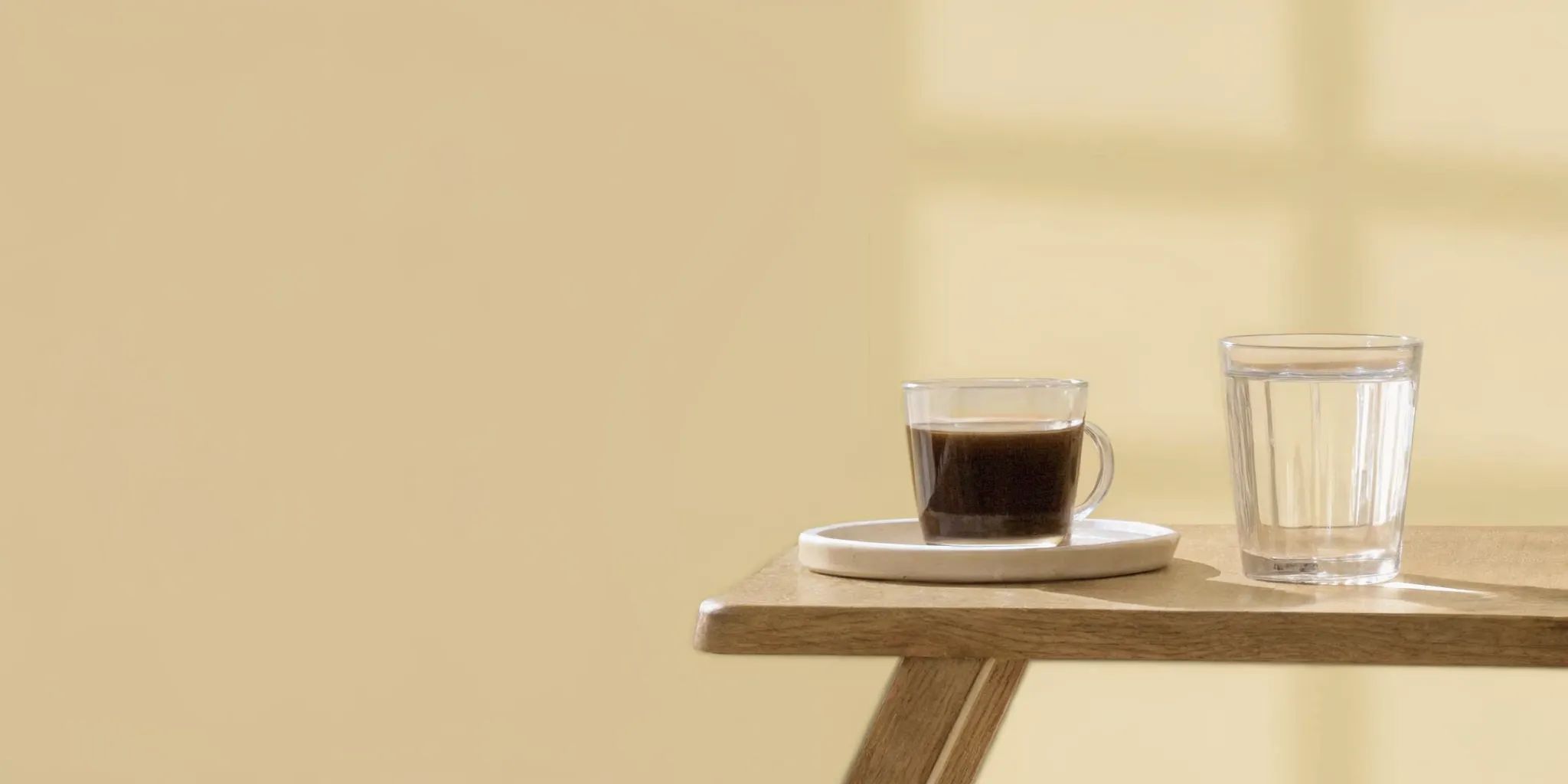
The differences between regular coffee and decaf go beyond just energy. Recognizing signs of good gut health can help you decide which brew is best for you. Both types can impact your gut microbiome over time. By choosing what works for you, you can get the benefits of coffee without the stress on your pipes.
Why each person reacts differently
Not everyone has the same reaction to coffee. Experts found that people often fall into two groups. Some react to the drink, and some do not. In one study, only eight out of fourteen people felt a move in their gut after a cup. This shows that your genes and your gut-brain axis play a huge role. Each person has a unique set of gut bacteria, which is why understanding why gut health is important can explain your personal reaction to coffee.
Your gut-brain axis and mood balance are linked to how you handle coffee. If your "second brain" reacts easily, coffee might cause jitters or reflux. This is because caffeine can stress the gut in some people. High caffeine levels can lead to pain or even diarrhea. The gut-brain axis helps manage how your body reacts to these stressors.
Using stable postbiotics can help you enjoy your coffee without the bad side effects. It helps keep your inner world calm and steady. By supporting the gut lining, you can help your body stay strong. This is mostly true when you face the daily stress of caffeine. Staying in balance allows you to keep your morning habit and feel your best at the same time.
The Coffee-Microbiome Connection: What the Science Says
Key Takeaway: Scientific studies show that coffee feeds helpful gut microbes. Moderate coffee intake (3-4 cups daily) promotes beneficial gut bacteria like Bifidobacterium, Firmicutes, and Actinobacteria, and specifically supports the growth of Lawsonibacter asaccharolyticus.
Your morning cup does more than just wake you up. It also helps the tiny bugs in your gut. For most people, coffee and gut health are a great match. This is because coffee helps good bacteria grow. New research shows that coffee has a strong link to your gut health. In fact, one study found it had a stronger link than 150 other foods and drinks.
How coffee seeds good bugs
Drinking a fair amount of coffee can help your gut stay strong. Most experts say this means less than four cups each day. When you stay in this range, you may boost helpful groups like Firmicutes and Actinobacteria. These groups play a big part in keeping your body well. They help you stay in balance and feel good.
Coffee also helps a group called Bifidobacterium. These bugs are key to a healthy gut. A study found in PMC shows that coffee drinkers have more of these good bugs. At the same time, coffee can help lower the count of bad bugs. This shift can help you restore microbiome balance and support your health, or read about postbiotics for bloating and gas.
A special bacteria find
New science has found one specific bug that loves coffee. It is called Lawsonibacter asaccharolyticus. This bug is much more common in people who drink coffee. Harvard and Nature researchers found this link in many groups. It shows that coffee acts like a food for this specific bug in your gut. This is one of the strongest links found in food science today.
Scientists are still learning what this bug does. But they know that a gut with many types of bugs is usually a healthy one. When you drink your daily cup, you give your gut new ways to thrive. This makes coffee a simple way to help your inner world.
Finding your best dose
While coffee is good for most, the amount you drink matters. Doctors say three to four cups a day is a safe spot. If you drink five cups or more, you may have some issues. Too much coffee can lead to high blood pressure or heart jitters. It can also upset your gut if you are sensitive to caffeine.
Each person reacts to coffee in their own way. Some feel a quick change in their gut. Others may not feel much at all. This is because the gut-brain axis and mood balance play a role in how your body handles drinks. If coffee makes you feel shaky, you might try decaf. It still helps your gut bugs but is easier on your system.
Why Does Coffee Cause Stomach Discomfort for Some?
Key Takeaway: Stomach discomfort from coffee is caused by caffeine-induced gastrin. This stimulates excess stomach acid, and specific lipids or phenolic acids that delay gastric emptying. These compounds can trigger bloating, acid reflux, or urgency in sensitive individuals.
Caffeine and Gut Movement
The most well-known part of coffee is caffeine. This compound does more than wake up your brain. It also wakes up your colon. Studies show that caffeinated coffee triggers muscle movement in the gut. Its effect is 60% stronger than plain water. It is even 23% stronger than decaf coffee. This is why many people feel they must go to the bathroom soon after their first cup. For some people, this response is very fast. It can happen within just four minutes. If you have a sensitive gut, this fast movement can lead to loose stools or pain. Even decaf coffee can cause this to happen for some people. This shows that other parts of coffee also play a role. If you drink too much, the effects get stronger. Experts say that drinking more than five cups a day can have bad effects on your stomach and gut.Coffee Compounds and Your Gut
Coffee has hundreds of parts. Some of these can help your gut bugs grow. Others can cause pain. To support healthy digestion, it helps to know how these parts work. Many of these parts work with your gut in ways that change from person to person.| Coffee Compound | Impact on Digestion | Common Symptoms |
|---|---|---|
| Caffeine | Speeds up gut muscle movement and colon work. | Urgent bathroom trips or loose stools. |
| Phenolic Acids | Acts as a trigger and can change gut acid levels. | Stomach ache or acid reflux. |
| Lipids (Oils) | Can slow down how fast the stomach clears. | Feeling heavy or bloated after a cup. |
| Metabolites | Works with gut bugs to change the microbiome. | Gas or shifts in gut balance. |
The Gut-Brain Axis Link
The way your body reacts to coffee also depends on your nerves. Your gut is often called your "second brain." This is because of the gut-brain axis and mood balance link. This system controls how you handle stress. For some, the caffeine in coffee acts like a stressor for the gut. This can lead to a "jittery" feeling in your stomach. Everyone has a unique gut. What feels fine for one person might cause pain for another. Regular coffee drinkers often have more of certain gut bugs. But if you find that coffee often upsets your stomach, you are not alone. You may need to look at how much you drink each day. Balancing your gut can help you enjoy your morning cup without the pain. Using postbiotics may help calm the gut response to these stressors. This can help you keep your gut in check while you get your daily boost.The Gut-Brain Axis: Caffeine, Stress, and Digestion
Key Takeaway: Caffeine triggers a stress response that activates your gut. This systemic raise in cortisol and adrenaline triggers bidirectional signaling through the gut-brain axis, which can induce digestive jitters, stomach cramping, or loose stools.
Your gut and your brain are in constant contact through a broad network called the gut-brain axis. This "second brain" does more than just digest your lunch; it also manages how your body reacts to outside stress. When you drink your morning cup, you are not just waking up your mind. You are also sending a strong signal down to your gut that can change how you feel for the rest of the day.
How caffeine triggers the gut
For many people, the link between coffee and gut health starts with a quick trip to the bathroom. Research shows that coffee can start gut movement as much as a full meal does. This effect is fast, often starting within just four minutes of your first sip. This happens because caffeine can kickstart your body's stress response, which tells your gut to speed up its work.
The connection between gut and brain means that mental stress and physical gut symptoms often go hand in hand. When caffeine raises your cortisol levels, your gut may feel the "jitters" just as much as your hands do. This stress on the system can lead to discomfort, especially when considering how the gut regulates cortisol and handles daily caffeine intake.
Responders and non-responders
Have you ever wondered why some friends can drink espresso before bed while others feel a single cup for hours? Scientists have found that people fall into two groups: responders and non-responders. In one study, coffee increased gut movement in eight responders, but six other people felt no change at all. This suggests that your "second brain" has a unique way of handling the stress that caffeine brings to your system.
Your genes also play a role in this personal response. Specific markers, like the CYP1A2 gene, help manage how your body breaks down caffeine and how it affects your mood. If your body processes caffeine slowly, the stress on your gut-brain axis may last longer. This can make it harder to maintain a calm and steady mood throughout your busy work day.
Finding your gut-brain balance
You do not have to give up your favorite brew to keep your system happy. Understanding your gut-brain axis and mood balance is the first step toward better digestion. By paying attention to how your body reacts, you can find a routine that works for your specific needs. Some people find that switching to a smaller cup or eating food first can help lower the stress signal sent to the gut.
Adding specific tools like postbiotics may also help support healthy digestion during your morning routine. Unlike live probiotics, postbiotics are stable and ready to work right away to soothe the gut lining. This can help moderate the digestive "jitters" that often come with a high-caffeine habit. By supporting a balanced gut system, you can enjoy the focus of coffee without the unwanted stress on your digestive health.

Practical Tips to Enjoy Coffee Without the Digestive Jitters
Key Takeaway: You can support your gut by choosing low-acid roasts. Switching to dark roasts or cold brews, eating a high-protein snack before your first cup. And adding a daily postbiotic like Gut Balance helps protect and steady the gut lining.
Pick the Best Coffee Choice
The type of coffee you buy makes a big change in how you feel. Dark roasts often have less acid than light roasts. This makes them easier on your stomach wall. Cold brew is also a great choice. The cool water pulls out less oil and acid as it sits. If you have a weak stomach, these low-acid types can help you avoid the burn that often comes with a standard drip brew. You should also check what you add to your mug. Fake sugars can harm your gut balance and cause gas or bloating. Try to use plain options or drink it black to keep things simple. This helps you avoid the extra stress that many made-up items put on your system. Skipping creamers with high levels of gums or thick oils is also a smart move for your gut.Timing and Habits for Better Balance
When you drink your coffee is just as vital as what is in it. Drinking on an empty stomach can trigger a strong acid flow. This often leads to heartburn or pain. Pairing your cup with a small meal slows down how fast the liquid hits your gut. It also helps to drink a glass of water before your coffee to keep your water up and keep things moving. Drinking some coffee can in fact be good for your gut. Research shows that it acts like a prebiotic and helps good bacteria grow. But if you drink too much, it can speed up your system too far. Finding the right balance for your body is the key to feeling your best every day. This helps you stop afternoon fatigue without needing a third or fourth cup.Support Your Gut and Brain Link
Your gut and brain work as one to handle stress from things like caffeine. This link is often called the gut-brain axis. When you drink coffee, your gut sends signals to your brain that can affect your mood and energy. Using tools to keep this link strong can make your coffee habit much smoother. Adding a postbiotic is one of the easiest ways to support this balance. Unlike old-school probiotics, SecondKind's postbiotics do not need a special home or cold air to work. They are ready to help as soon as you take them. This makes them a great match for a busy life and a daily coffee routine.Steps for a Gut-Friendly Coffee Routine
- Keep your intake to less than four cups each day. This amount is linked to more good bacteria like Firmicutes and Actinobacteria in your gut.
- Eat a high-protein snack before your first sip. Having food in your stomach helps soak up the acid and reduces the risk of a sour stomach.
- Swap light roasts for dark roasts or cold brew. These choices are less likely to hurt your gut while still giving you the flavor you enjoy.
- Ditch fake sugars that can disrupt your microbiome. Stick to plain coffee or small amounts of real cream to keep your gut tract calm.
- Use shelf-stable postbiotics to keep your gut in check. A postbiotic like Gut Balance can help you stay steady even when caffeine speeds up your system.
- Drink plenty of water throughout the day. Coffee can speed up water loss, so keeping your water levels up helps support healthy gut flow.
Frequently Asked Questions
Can coffee cause bloating and gas?
Coffee can cause bloating if its fast parts speed up your gut work too fast. While it helps you stay regular, the quick push of muscles in your colon may trap air and lead to gas. High levels of caffeine can also stress the gut-brain link, causing a nervous stomach. Using a daily postbiotic helps you stay ahead of these shifts by helping a calm and steady gut system.
Should I avoid coffee if I have IBS?
If you have a sensitive gut, you may need to limit how much coffee you drink. Coffee is a strong gut trigger that can cause pain or loose stools for some. Research from the NIH shows that coffee moves the colon 60% more than water. Many people feel better when they switch to a low-acid dark roast. If your gut still feels bad, try drinking just one small cup a day.
Does decaf coffee still stimulate your gut?
Yes, decaf coffee can still trigger a move in your gut, though the push is often softer. Studies in the Gut journal show that decaf coffee causes a muscle response in the colon within just four minutes. This means that acids and oils in the bean, not just caffeine, affect how you digest your food. Decaf is still a great choice if you want the benefits of coffee without the jitters.
What is the best type of coffee for gut health?
The best coffee for your gut is a dark roast or a cold brew because they have less acid. Drinking a moderate amount of coffee can help good gut bugs like Bifidobacterium grow and stay strong. To keep your gut happy, avoid adding fake sugars or heavy creamers to your mug. These items can cause gas and harm the balance of your microbiome, making it harder for your body to feel its best.
Ready to shop Gut Balance and support your gut health today?
Missing the signs of gut distress from your daily coffee can lead to a cycle of bloating and brain fog that will slow you down. If you do not act to support your health, you may find even simple daily habits start to cause more body stress and long-term harm. Starting a daily gut routine now provides the help your system needs to stay calm and balanced as you enjoy your cup of hot coffee.
Ready to shop Gut Balance and support your gut? Shop Gut Balance today to start feeling better and more balanced every single day.