The heavy, slow feeling of poor digestion often disappears after a brisk twenty-minute walk. Regular movement serves as a mechanical pump for your digestive tract while helping your good gut bacteria thrive. This simple habit supports both your physical comfort and your emotional strength.
Pair your movement routine with SecondKind's daily gut-brain support.
The relationship between exercise and gut health is a two-way loop. Physical activity helps move waste through the digestive tract while supporting the microbiome.
Consistent movement tones digestive muscles and may reduce transit time. It can also promote bacteria that make short-chain fatty acids, which support the gut lining and bacterial diversity (PubMed).
Together, these shifts may support digestive ease and emotional balance. Read more about the link between gut health and mood.
Understanding these connections helps you build a wellness routine that works for your unique body and mind. You might wonder exactly how these physical changes translate into better days, clearer thinking, and less digestive stress. The following guide explores how exercise and gut health influence each other.
How exercise and gut health affect each other
The link between moving and your inner world is not just a one-way street. Your body and your gut microbes talk to each other every time you get moving. This two-way path means that exercise and gut health work as a team to support your well-being. When you walk, run, or lift weights, you send signals to the trillions of bacteria in your gut. In return, these microbes help produce the fuel your body needs to stay active.
Science shows that staying fit can change the types of bacteria that live in your gut. Research found that high fitness levels lead to a better mix of gut bacteria in healthy adults. A wide range of microbes is key because a diverse gut is often a strong one. By moving more, you help create a space where many types of helpful bacteria can thrive together.
More variety in the microbiome
A diverse gut is like a busy city where every person has a specific job. Some microbes break down fiber, while others help make vitamins like B and K. When you exercise, you help increase the count of these helpful workers. Studies suggest that working out for 30 to 90 minutes a few times each week can shift your gut microbes. This change can happen in as little as eight weeks.
This boost in variety helps your body in many ways. It can strengthen the intestinal barrier, which is the lining that protects your gut. A strong lining keeps unwanted items from leaking into the rest of your body. When you prioritize how movement supports digestion, you give your gut the tools it needs to stay balanced. This balance is a big part of feeling clear-headed and active every day.
Better flow and faster transit
Exercise does more than just change your bacteria. It also helps with the work of moving waste through your body. Being active boosts blood flow and helps tone the muscles in your gut. This extra support makes it easier for your system to stay on schedule. When things move at the right speed, your body does not absorb too much water from the waste. This keeps your stools soft and easy to pass without extra strain.
If you sit for long parts of the day, your digestion may slow down. A lack of movement is a common cause of constipation and bloating. Adding even a short walk to your day can help your body stay regular. Using movement to improve digestion can help you find small ways to stay active. These small steps add up to a much more easy gut over time.
Fuel for the gut and body
One of the most exciting links between exercise and the gut involves short-chain fatty acids, or SCFAs. These are small molecules made by your gut bacteria when they break down fiber. SCFAs act as a main energy source for the cells that line your colon. They also help keep your immune system in check and reduce redness in the body. Active people often have higher levels of these molecules in their systems than people who do not move much.
Higher fitness levels are linked to a larger supply of SCFAs in the gut. These molecules do not just help your digestion; they also help your muscles recover after a hard workout. This creates a loop where exercise builds a better gut, and a better gut helps you exercise more. By focusing on this bond, you can build a strong base for long-term health and life.

Can exercise improve digestion and regularity?
Regular, moderate movement may support digestion and regularity by stimulating intestinal muscles and helping waste move through the colon. A short walk can be especially practical after meals, while consistency matters more than intensity for most people.
Movement is a key tool for keeping your gut on track. When you move your body, you also help move waste through your system. This process is called gut motility, and it is vital for daily comfort. Regular activity can help you avoid the bloat and sluggishness that come when things slow down. To learn more about this connection, you can see how movement supports digestion in our guide on the gut-brain axis.
How movement helps gut speed
Exercise helps speed up the time it takes for food to pass through your colon. When waste moves too slowly, the body takes in too much water. This makes stool hard and dry, which leads to discomfort. Physical activity improves gut motility by helping the muscles in your digestive tract work better. Studies show that a lack of physical activity can cause constipation over time.
Working out also boosts blood flow to your core. This extra circulation helps your digestive organs get the oxygen they need to work well. Toning your core muscles through moderate exercise also gives your gut the physical support it needs to stay regular. By staying active, you help your body maintain a steady rhythm that keeps you feeling light and energized.
The link between fitness and gut health
Staying fit does more than just help with speed; it also supports the tiny life forms in your gut. Research shows that people with high fitness levels have a better mix of gut bacteria. This mix is called alpha diversity, and it is a sign of a strong microbiome. According to a study on exercise and gut health, fit adults often have more short-chain fatty acids in their system.
These fatty acids are fuel for your gut lining. They help keep your gut wall strong and may lower the risk of health issues. To get these perks, experts suggest moderate to high-intensity workouts for 30 to 90 minutes. Doing this at least three times a week for two months is often enough to see a change in your gut microbes. If you want to dive deeper into how your gut affects your life, read about the link between exercise and gut health and how it impacts your mood.
When to keep it light
While most movement is good, you should listen to your body. Very hard workouts right after a meal can sometimes cause an upset stomach. This happens because blood moves away from the gut to help your muscles. For the best results, stick to light walks or gentle yoga if you just finished eating. If you notice a big change in your habits that does not go away, it is wise to talk to a doctor.
What movement may do for the gut microbiome
Movement may encourage a more diverse microbiome and support production of helpful compounds such as short-chain fatty acids. Research shows an association, not a guarantee, because food choices, sleep, stress, and individual biology also shape the gut community.
When you think about exercise and gut health, you might think of better digestion or less bloating. But the link goes much deeper. Moving your body can change the tiny life inside your gut. This group of bacteria, fungi, and viruses is called your microbiome. Research shows that people who move more often have a better mix of these small helpers.
Growing a better mix of microbes
A healthy gut needs a wide range of bacteria. This is often called alpha diversity. A large mix means your gut has many types of microbes to do many jobs. Studies find that fitness is linked to a better gut mix in healthy adults. Having a broad mix helps keep your gut barrier strong. If you lose these good bacteria, bad ones may find a place to grow.
This mix is unique to you, like a mark. Keeping it diverse is a key part of long-term health. When your gut has many species, it can better handle stress from travel or diet changes. Moving your body is a simple way to help support this inner balance.
Making helpful gut products
Microbes do more than just sit in your gut. They break down fiber and make things your body needs. These are called short-chain fatty acids, or SCFAs. One main SCFA is butyrate. It gives fuel to the cells in your colon and helps keep your gut lining safe. High levels of movement are linked to more of these helpful gut products.
These compounds also talk to your brain. This link between your gut and your mind is why exercise and gut health can affect how you feel. When your microbes make enough SCFAs, it may help with your mood and fuel. Helping these small workers with daily movement is a great way to help your whole body.
| Gut Feature | Active People | Less Active People |
|---|---|---|
| Species Mix | Many types | Fewer types |
| SCFA Levels | Often higher | Often lower |
| Gut Lining | Stronger barrier | May be weaker |
| Waste Speed | Steady and fast | Can be slow |
Link versus cause in gut science
Scientists are still learning how movement changes the gut. Right now, most studies show a link between the two. This means fit people tend to have better gut health. But it does not prove that movement is the only cause. Other factors like diet or sleep also play a big role. It is likely a two-way street where movement helps the gut and a healthy gut helps you move.
To see real changes, you need to stay active for a while. Research shows it takes about eight weeks of steady work to shift your gut microbes. You do not need to be a pro athlete to see a change. Even moderate work for 30 to 90 minutes a few times a week can make a difference. The key is to keep going so your gut stays in top shape.
How does movement support mood through the gut-brain axis?
Movement may support mood through several connected pathways, including stress regulation, circulation, digestive comfort, and signals produced by gut microbes. The gut-brain axis works in both directions, so habits that support the body can also help support emotional balance.
Your gut and brain stay in constant touch. This two-way street, called the gut-brain axis, helps manage how you feel each day. When you move your body, you are not just building muscle or heart health. You are also sending signals through this path that can help support your mood and emotional balance.
Research shows that exercise and gut health are closely linked. For example, people with higher fitness levels often have more diverse gut bacteria. This variety is key because imbalances in these microbes are linked to mood disorders. By staying active, you help maintain a healthy microbial balance that supports your mental well-being.
The role of fatty acids
Physical activity does more than just change which bacteria live in your gut. It also changes what they produce. Active people tend to have higher levels of short-chain fatty acids in their system. These substances are made when bacteria break down fiber in your colon.
Short-chain fatty acids are vital for the gut-brain axis. They help protect the gut lining and can even send calming signals to the brain. This process helps build stress resilience. It is a natural way your body uses exercise and gut health to keep your emotions steady during a busy day.
Better flow and mood support
Movement also helps the physical side of digestion. Exercise helps improve gut motility, which is the way food and waste move through your tract. Keeping things moving can prevent the discomfort that often weighs down your mood. When your gut feels light and active, it is easier for your mind to feel the same way.
Also, physical activity boosts circulation through your whole body. This better blood flow helps your gut do its job well. When you support your gut-brain axis through regular movement, you create a strong base for both digestive ease and a brighter outlook. Small, daily efforts can lead to big shifts in how you feel from the inside out.
These statements have not been evaluated by the FDA. This product is not intended to diagnose, treat, cure, or prevent any disease.
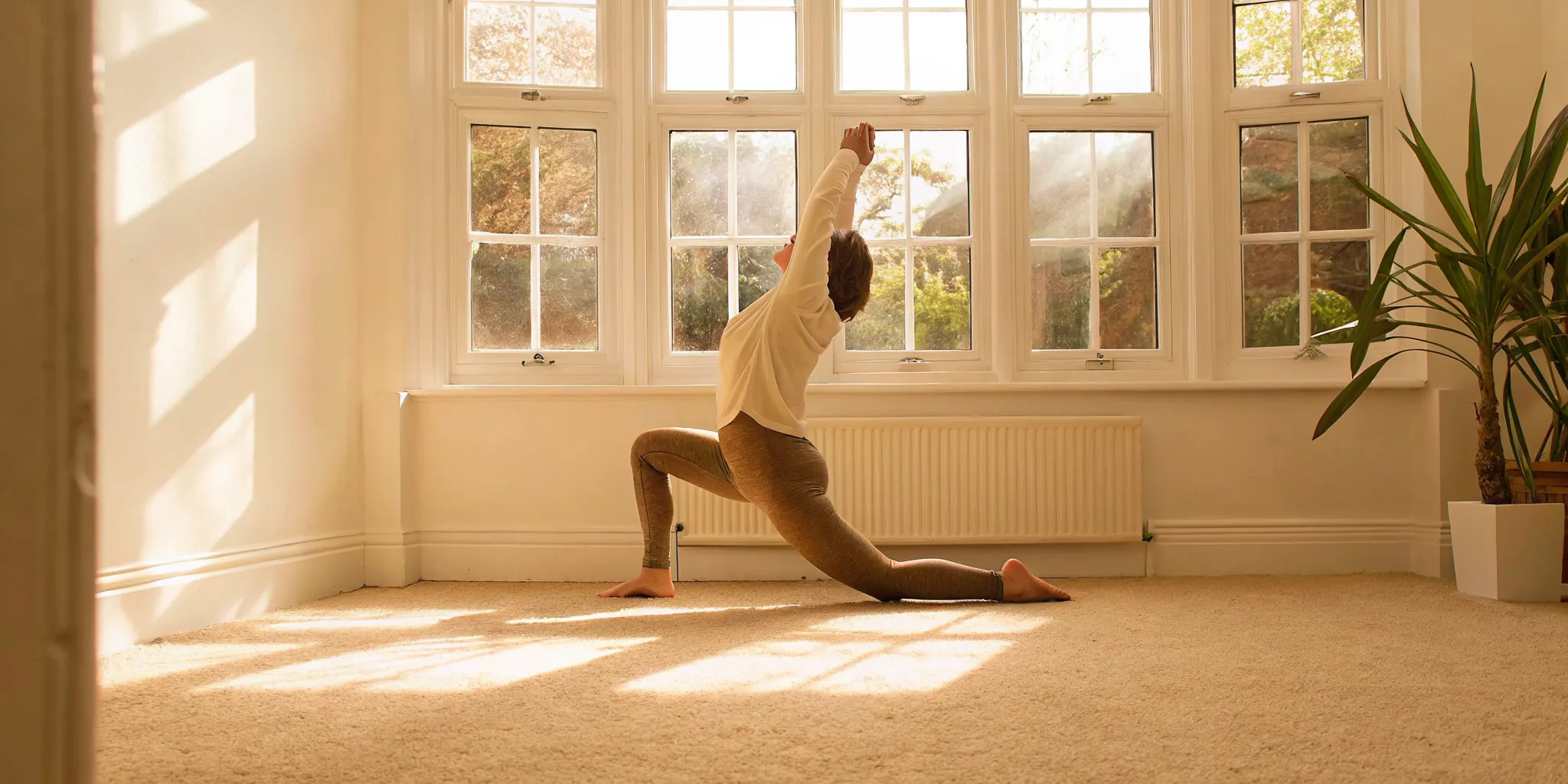
A realistic gut-friendly movement routine
A gut-friendly movement routine can begin with a daily 20-minute walk, two short strength sessions each week, and gentle stretching on recovery days. Build gradually, notice how your digestion responds, and choose activities you can repeat without exhausting yourself.
Finding a plan that fits your life can feel hard. But moving your body is a key way to help your gut. Studies show that exercise and gut health are linked in big ways. When you stay active, you help the good bugs in your gut grow. This leads to a wider mix of types in your gut. A healthy gut helps your body stay strong and keep its balance.
Why walking helps your gut
Walking is one of the best ways to start. It is low impact and easy to do for most people. Walking helps move food through your system. This physical movement to improve digestion works by keeping waste moving at a steady pace. It also helps lower stress levels. Since the gut and brain talk to each other, lower stress often leads to a much happier gut.
You do not need to run a fast race to see gains. Just 20 to 30 minutes of brisk walking each day can make a change. This simple act boosts your blood flow. Good flow gives your gut the tools it needs to work well. Over time, you may find that your energy stays more steady through the day.
Strength and core work
Building muscle also helps your gut thrive. Core work tones the muscles that surround your inner organs. This can help with steady bowel movements and reduce the feeling of being bloated. You should aim for a mix of strength and cardio. Moving your body often helps your gut bugs make short-chain fatty acids. These are vital for a healthy gut wall.
Research shows that exercise and gut health get better with moderate work. Doing this for 30 to 90 minutes three times a week for two months can change your gut bugs. A healthy set of gut bugs is linked to lower rates of gut issues. It also helps your body keep a protective gut lining, which keeps you safe from bad germs.
- Start with daily walks. Aim for at least 20 minutes each day. This simple act starts your system and helps your gut move waste along.
- Add strength training twice a week. Use light weights or your own body weight to build muscle. Focus on your core to help your inner organs stay active.
- Try gentle stretching or yoga. These tasks help your body and mind relax. Lower stress helps your gut-brain axis work better every day.
- Listen to your body. If you feel very tired or have gut pain, slow down. Hard work can sometimes cause gut upset if you do it too fast or too long.
- Stay steady for eight weeks. Changes in your gut bugs take time to happen. Stick to your plan to see real results in how you feel.
Steady work and balance
It is also vital to watch how hard you work. While moving is good, working too hard can sometimes stress your gut. This is why a balanced plan is best for most busy women. If you sit a lot for work, try to get up and move every hour. A lack of movement is a known cause of slow digestion and constipation.
By adding small bits of movement, you give your gut the support it needs to thrive. You do not have to change your whole life at once. Start small and build up your strength over time. Your gut will thank you for the extra care. This routine helps you feel better, stay clear, and keep your energy high.
When can exercise be hard on your gut?
Exercise can feel hard on the gut when intensity, duration, heat, dehydration, or meal timing pushes beyond what your body tolerates. Temporary nausea, cramping, or urgency are signs to ease back, hydrate, and give your digestive system more recovery time.
Exercise and gut health are linked in a close loop. For most people, moving your body is one of the best ways to support your gut microbes. But you may wonder if you can overdo it. The answer lies in how much stress you put on your system. There is a sweet spot where you get the most perks without causing harm.
Finding the dose-response sweet spot
Most people get the best results from a mix of steady work. Research shows that high-intensity exercise for 30 to 90 minutes is a great goal. Doing this three times a week for eight weeks can change your gut bacteria. These changes help your body make short-chain fatty acids. These things are good for your colon cells and your whole body.
But when you push far past your limits, your gut may feel the stress. Long periods of very hard work can shift how your body works. Most of the time, exercise helps blood flow and helps your gut move waste. This keeps you regular and prevents hard stools. But if you work out too hard for too long, your body has to make choices. It sends blood and energy to your heart and legs to keep you moving. This means your gut gets less of what it needs for a short time.
The role of the intestinal barrier
The gut lining is a thin, strong shield. This intestinal barrier acts as a gate. It lets in vitamins but keeps out germs. Your gut microbes help keep this barrier in top shape. When you stay active, you help this community grow and thrive. You can read more about how movement supports digestion and manages stress on our site.
If you skip rest days, your gut may not have time to heal. This can lead to signs of stress like gas or pain. The goal is to stay fit while keeping your gut lining strong. Focus on a steady routine that feels hard but not draining. This helps you build a healthy gut without the risk of high stress. Drink plenty of water and eat well to help your body heal.
When to seek medical advice
You should always listen to what your body tells you. A hard workout might cause a small shift in how you feel. But you should not ignore big changes. If you have a new change in your bowel habits, you should talk to a doctor. This is very important if you feel pain or see signs of a problem.
A pro can help you see if your workouts or your diet need a change. They can also check for other health issues that might affect your gut. Your gut health and your fitness goals should work together. By finding the right balance, you can feel your best both in and out of the gym.
Pair movement with daily gut-brain support
Exercise works best as one part of a repeatable gut-brain routine. Pair movement with fiber-rich foods, hydration, rest, and targeted support that fits your needs, then give those habits enough time and consistency to work together.
Supporting your gut-brain axis takes more than a single workout. While how movement supports digestion is a key part of the puzzle, your body needs a full set of daily habits to stay in balance. Pairing regular physical activity with smart choices in your diet and lifestyle creates a strong foundation for felt support.
Build a gut-friendly routine
Your gut microbes need the right fuel to do their jobs well. These bacteria help break down fiber and starches while also making vital vitamins like B and K. To help them, focus on eating a diverse range of fiber-rich plants and drinking plenty of water. When you combine these foods with movement, you help your body process waste more efficiently.
Rest is also a major factor in how you feel. Poor sleep or high stress can disrupt your gut-brain balance. This can make you feel foggy or bloated. Finding ways to lower stress, such as through deep breathing or short walks, helps maintain your protective gut lining. This lining is vital for keeping your system running smoothly and preventing unwanted microbes from thriving.
Add targeted postbiotic support
For many, diet and exercise are not enough to reach full gut-brain balance. Postbiotics give a stable, science-first way to support your mood and digestion without the trial-and-error of live bacteria. Unlike old probiotics, postbiotics do not need to stay cold and are made for fast support. You can shop the bundle to get both Gut Balance and Mood Balance in one simple routine.
Choose targeted support that matches your goal: Gut Balance is designed to support digestive ease and regularity, while Mood Balance supports gut-brain balance, clarity, and emotional resilience.
Using a postbiotic daily helps bridge the gap when lifestyle changes alone feel slow. Because these tools are stable and non-live, they are easy to take on the go. This makes it simple to stay consistent with your routine, whether you are traveling or busy with work. Consistency is the best way to see long-term results in your energy and clarity.
These statements have not been evaluated by the FDA. This product is not intended to diagnose, treat, cure, or prevent any disease.
Frequently Asked Questions
Can exercise improve gut microbiota diversity?
Physical activity can help build a more diverse gut microbiome. Research published in PubMed shows that higher fitness levels are linked to a wider range of beneficial bacteria. This diversity helps maintain a strong gut lining and supports the immune system. When you stay active, you help your body foster a community of microbes that can improve your overall health and well-being.
Does exercise help with constipation and gut motility?
Movement is a natural way to help your digestive system stay regular. Physical activity helps move waste through the colon by stimulating the muscles in your gut. According to the American College of Gastroenterology, a lack of activity is a common cause of constipation. Regular exercise can reduce the time it takes for food to pass through your system, which may lower your risk of bloating and discomfort.
Can intense exercise negatively impact the gut?
While moderate movement helps your gut, very intense or long workouts can sometimes cause stress. During high-impact exercise, your body moves blood away from your digestive organs to fuel your muscles. This shift can lead to temporary issues like nausea or an upset stomach. It is important to listen to your body and balance hard training with enough rest to allow your digestive system to recover and function at its best.
How long does it take for exercise to change gut health?
Changes in your gut microbes can happen fairly fast when you start a new fitness routine. Some studies suggest that you may see shifts in your gut bacteria in as little as six to eight weeks of regular movement. However, these benefits may fade if you stop exercising. For long-term gut-brain health, it is best to find a steady routine of moderate activity that you can maintain as part of your daily life.
Ready to improve your gut health and mood with daily movement?
Delaying gut care can lead to more days feeling slow, bloated, and off from your routine. When you ignore these signs, it takes longer to get back on track later in the year. You should shop for health now and not wait until gut issues become a bigger problem.
By moving more each day, you can start to feel light and clear in just a few weeks. This small change helps your body use food well and keeps your mood steady all day. Taking this step now helps you stay ahead of gut issues and keep your stress low. You can start living a full life with more focus and less worry.
Ready to build your routine? Shop the Gut and Mood Balance Bundle for daily gut-brain support, or contact SecondKind with questions.