Start supporting your gut health immune system today with SecondKind Gut Balance — a clinically studied postbiotic that delivers active metabolites directly to your gut lining.
A strong gut health immune system connection is vital because about 70 percent of your immune cells live in the gut lining. This massive network of cells relies on your microbiome to teach it which microbes are threats and which are harmless. When your gut bacteria are balanced, they produce compounds like short-chain fatty acids that help regulate your immune response. However, poor diet or stress can weaken this barrier and lead to a sluggish defense system. Supporting your gut with fiber and postbiotics helps maintain a strong immune barrier that reacts quickly to new challenges. Research from UCLA Health confirms that maintaining this balance is one of the most effective ways to support your overall wellness.
Gut Health Immune System: The Gut-Immune Connection: How Your Microbiome Shapes Your Defenses
Most people think of their immune system as a set of cells that move through the whole body. While this is true, the heart of your immune strength is in your gut. In fact, about 70% of your immune system lives right in your gut. This area is home to gut tissue that holds your immune cells. This tissue is the largest group of immune cells in your entire body. It acts as a main guard that checks everything you eat and drink.
Where your immune system lives
The gut is much more than a place to break down food. It is also where your body meets the outside world. To stay safe, your body keeps nearly 80% of its immune cells in the lining of the gut. These cells help stop harmful germs from entering your blood. This thick layer of shield is vital for your overall gut health and immunity. When your gut is healthy, these cells can do their job well.
Research from the National Institutes of Health shows how these tissues work as one. Your gut cells must decide which things are helpful and which are bad. If this system is weak, your body might not react to germs fast enough. A strong gut-immune link helps you stay tough against common threats. It makes sure your body can find and kill germs before they cause a problem.
How microbes train your cells
Your gut is home to a massive world of life called the microbiome. It contains more than 1,000 species of bacteria that help you every day. These microbes do not just help you break down food. They also act like teachers for your immune cells. They help train T-cells to know your own body from a foreign germ. This training process is how your body learns to stay calm around food while still fighting off germs.
Without these gut teachers, your immune system can become confused. It might start to attack your own cells by mistake. It could also act out to small things in the air or in your food. By keeping a diverse mix of bacteria, you give your immune system the data it needs to stay balanced. A balanced gut helps your body focus its power on real threats. This keeps your shields sharp and ready for any task.
The role of a healthy gut
Keeping your gut health immune system strong is a daily task. The foods you eat and the supplements you take change your microbiome every hour. When you support your gut, you are also building up your body's shield. This link means that better gut care leads to a more active immune system. It is one of the best ways to support your health. Looking at your gut health is a smart move for long-term health.
How Does Your Gut Microbiome Train Your Immune System?
Your gut is more than just a place to digest food. It acts as the main training ground for your immune system. About 70 percent of your immune cells live in your gut. Here, your microbiome helps these cells learn how to keep you healthy. This process helps your body tell the difference between good cells and bad germs.
The role of short-chain fatty acids
Good bacteria use the fiber you eat to make special compounds. One of the most critical is butyrate. This is a type of short-chain fatty acid (SCFA). Based on research from Harvard Health, these fatty acids help feed the cells that line your gut. They also send signals to your immune cells to stay calm. This helps stop the body from attacking itself by mistake.
Training T-cells for balance
Your gut bacteria help train your T-cells to stay in balance. These cells are like the scouts of your immune system. They need to know which germs are a threat and which ones are safe. A study from the National Institutes of Health shows that gut bacteria help T-cells grow and learn. This training leads to better immune tolerance. Without it, your body might react too strongly to things that are safe. Understanding this process is essential for anyone looking to improve their gut health and immune system naturally.
The way your gut trains your defense system happens in a few clear steps. This cycle helps keep your body ready for any threat.
- Eat fiber: You eat fiber from plants like fruits, berries, and whole grains.
- Fermentation begins: Good bacteria in your gut break down this fiber through a process called fermentation.
- SCFA production: This process creates short-chain fatty acids like butyrate.
- Cell signaling: These fatty acids help control T-cells, which guide how your immune system reacts.
- Immune balance: Your immune system gains tolerance, which means it knows how to fight germs without causing extra harm to your body.
The value of gut diversity
A strong immune system needs a diverse gut. This means having many kinds of good bacteria. A diet rich in many plants helps these bacteria grow. In contrast, the Western diet is often high in sugar and processed foods. This diet can lower the number of good bacteria in your gut. When you lose this variety, your immune system does not get the right training. This can lead to more inflammation and a weaker defense.
How Do Postbiotics Support Immune Function?
Direct help for your gut defense
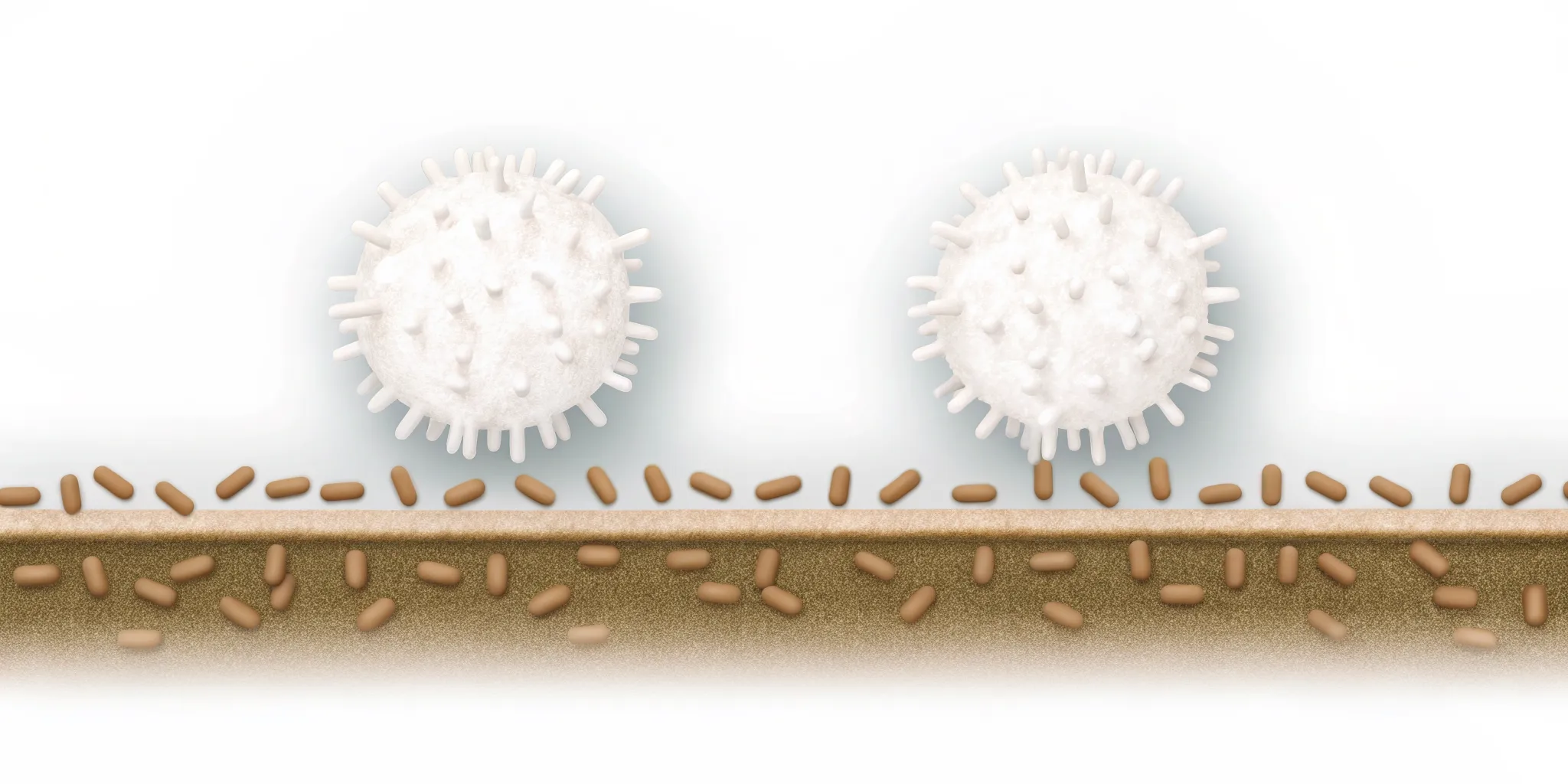
Most gut products rely on live bacteria to create helpful compounds. These live cells must survive your stomach acid and thrive in your gut to work. Postbiotics skip these steps. They are the active tools that bacteria make during fermentation.
| Feature | Probiotics (Live Bacteria) | Postbiotics (SecondKind Gut Balance) |
|---|---|---|
| Active State | Must survive stomach acid to reach gut | Already active metabolites ready for absorption |
| Shelf Stability | Requires refrigeration in many cases | Stable at room temperature, travel-friendly |
| Onset of Support | Needs days to weeks to colonize | Delivers support from the first dose |
| Consistency | Varies by strain survival rate | Measurable, consistent active compound levels |
| Live Bacteria | Contains live organisms | No live bacteria, gentler for sensitive systems |
Because they are already active, they offer a direct path to immune support for your body. This makes them faster and more dependable than traditional methods. Postbiotics deliver health-boosting metabolites right where your immune cells live.
This helps your gut health and immune response stay strong and alert. You do not have to wait for new bacteria to grow and take root. They are ready to help from the very first dose. This speed and ease make postbiotics a top choice for busy people.
Clinical proof for immune health
Solid science backs the use of postbiotics for daily health. A 2024 study in Pediatric Research looked at 256 children to see how they reacted to a postbiotic. This study used the EpiCor yeast fermentate.
The kids who took it had 21 percent less severe cold and flu symptoms. This shows that the body can use these compounds to fight off germs more easily. The study also found that the postbiotic group used far less medication.
They needed meds 1.73 times less often than the group that took a placebo. This suggests that the gut was better at handling threats on its own. You can find more data on the science behind postbiotics on our research page.
Why Gut Balance stands out
We built Gut Balance to give you the best path to a strong gut. Each dose has 500mg of EpiCor in our BiomeBalance mix. This blend also has Totipro and Bereum for a full range of support.
We chose these because they are stable and do not need a fridge. They stay active on your shelf and in your bag so you can take them anywhere. This is a big win for people who travel often. Our focus is on clean and clear science.
By using postbiotics, we remove the guesswork found in many gut pills. You get a set amount of active support in every serving. This helps your gut wall and your immune response stay in top shape. It is a simple way to give your body what it needs to feel its best every day.
Protecting Your Gut Barrier for Stronger Immunity
Your gut lining is a thin layer of cells that acts as a wall between your gut and the rest of your body. When this barrier is strong, it lets nutrients pass through but blocks harmful germs from entering your blood. If this wall weakens, it can lead to a leaky gut. This issue often triggers systemic inflammation as your immune system reacts to particles that do not belong in your bloodstream.
The role of tight junction proteins
The cells in your gut lining stay close together because of tight junction proteins. These proteins act like a seal that keeps the gut wall firm. When these seals break down, tiny gaps form between the cells. These gaps let pathogens slip through, which forces your immune cells to stay on high alert. Research shows that maintaining strong gut barrier proteins is essential for supporting immune health through gut integrity.
How postbiotics support the gut wall
Postbiotics help keep your gut lining tough and resilient. Unlike probiotics, which are live bacteria, postbiotics are active compounds that work as soon as they reach the gut. They help support the seals that keep the gut barrier tight. This support helps your immune system focus on real threats instead of gut leaks.
Fiber and gut lining health
Eating fiber is another way to protect your gut barrier. When gut bacteria break down fiber, they make short-chain fatty acids. These acids feed the cells that line your gut and help them stay healthy. By feeding these cells, you help your body repair its own natural wall. A diet full of plants is one of the best ways to keep your gut health immune system connection working well for you.

Lifestyle Strategies for a Healthier Gut-Immune Axis
Helping your gut health immune system connection starts with your daily habits. Small changes in how you eat, sleep, and move can create a strong microbiome. These ways help build a solid base for your body's natural defenses.
Eat a wide range of plant foods
A diet with many types of food is the best way to support a healthy gut. Research shows that eating a fiber-rich diet helps your microbiome thrive and reduces inflammation. Aim for at least seven servings of plants each day. This variety helps you get many types of fuel for your good bacteria.
Each plant type provides fibers that feed specific gut microbes. You should also include healthy fats like olive oil and avocado. These fats help keep your gut lining strong and tough. Try to limit processed foods and added sugars. A modern diet high in sugar can lower your microbial variety and lead to chronic inflammation.
Manage stress and move your body
Your gut and brain are in constant contact. High stress levels can change the mix of bacteria in your gut. This can weaken your immune response over time. Finding ways to relax, such as deep breathing, can protect your microbiome. Regular exercise also helps by boosting the variety of good bacteria in your system.
Sleep is also vital for your immune cells. Your body repairs itself while you rest. Poor sleep patterns can disrupt the natural rhythm of your gut bacteria. Most adults need seven to nine hours of quality sleep each night. This helps your immune system stay sharp and ready to act.
Add targeted postbiotic support
While diet is a key piece of the puzzle, supplements can provide direct help. Postbiotics are a smart choice for fast immune support. They deliver active compounds straight to your gut. You do not have to wait for live bacteria to grow or survive the trip through your stomach.
SecondKind Gut Balance uses a unique blend of postbiotics to support your defenses. It contains ingredients like EpiCor that help your immune system stay in a good state. This targeted approach works alongside your lifestyle habits to fill in any gaps.
Ready to strengthen your gut health immune system? Try SecondKind Gut Balance today.
Frequently Asked Questions
Can your gut health affect your immune system?
Yes, your gut health directly affects your immune system. Because the majority of your body's immune cells live in your gut lining, any change in your gut microbiome can alter your immune response. A balanced microbiome trains immune cells to find threats and avoid attacking your own tissues, while an imbalanced gut can lead to slow defenses or chronic inflammation.
What are 5 signs of a weak immune system?
Five common signs are associated with a weaker immune system.
- Frequent infections: Ongoing or long-lasting common colds and respiratory infections
- Digestive distress: Persistent digestive issues like chronic bloating, gas, or irregular stools
- Slow healing: Slow-healing wounds, cuts, or skin issues
- Chronic fatigue: Unexplained fatigue and low energy, even after a full night of sleep
- High stress: High levels of stress, which can deplete your gut-barrier defenses over time
Is it true that 80% of your immune system is in your gut?
While the exact number depends on the study. Leading medical institutions like UCLA Health state that about 70% to 80% of your immune system is located in your gut. Specifically, the largest concentration of antibody-producing cells is found within the gut-associated lymphoid tissue (GALT). Making the digestive tract the most important training ground for your body's defense network.
How do you fix your gut health and immune system?
You can support both systems by eating a fiber-rich diet with at least seven daily servings of diverse plant foods. Incorporating healthy fats like olive oil, getting seven to nine hours of sleep, and exercising regularly. Adding a daily postbiotic supplement like Gut Balance can also provide direct, fast-acting immune support by delivering active, stable metabolites straight to your gut cells.
How long does it take to improve gut health for immunity?
Many people notice initial digestive ease and comfort within the first week of supporting their microbiome with a high-quality postbiotic. Deep immune-system support and systemic cellular resilience typically develop over three to four weeks of consistent lifestyle and supplement habits. As your gut-barrier seals strengthen and your immune cells complete their training cycle.
Support Your Gut-Immune Health with Gut Balance
Your immune defense starts in your gut. While traditional gut health routines can take months of trial and error to show results. SecondKind Gut Balance delivers stable, bioactive postbiotics that start supporting your gut lining and immune cells from week one.
Powered by our clinically-studied BiomeBalance complex featuring 500mg of EpiCor, Totipro, and Bereum. Gut Balance is designed to reduce bloating, support steady digestion, and strengthen your daily resilience without the need for refrigeration.
- Fast-Acting Support: Feel initial digestive relief in as little as Week 1.
- Science-Backed Efficacy: Ingredients clinically shown to lower cold and flu symptom severity and support gut barrier integrity.
- 100% Stable: No live bacteria to die, no refrigeration required, and shelf-stable for easy travel.
- Clean Ingredients: Non-GMO, vegan, gluten-free, kosher, and manufactured in a cGMP-certified facility in the USA.
Pricing: $49.99 for a one-time purchase, or subscribe for $42.49/month (15% savings) with free shipping.
All SecondKind purchases are protected by our risk-free 60-day money-back guarantee. Subscriptions can be paused, skipped, or canceled at any time.