


Natural supplements for anxiety may support a steadier response to everyday stress, but the best choice depends on your health, medications, and goals. This safety-first guide explains the evidence, the limits, and how gut-brain support can fit into a broader care plan.
Explore Mood Balance for daily postbiotic gut-brain support.
Natural supplements for anxiety include a wide range of vitamins, minerals, and herbal extracts like ashwagandha or magnesium that help support the body's healthy nervous system. These products are often used to build mental strength by helping to balance brain signals and lower your body's stress signs for a steady mood. Research shows that thirty-one percent of U.S. adults will face an anxiety disorder according to the National Center for Complementary and Integrative Health. Choosing high-quality tools can support mental clarity while assisting your body's natural functions as part of a broader daily wellness routine to help you stay grounded. By working with your gut-brain axis, these ingredients provide a stable and effective way to manage the daily stress that often comes with a busy life.
What natural supplements for anxiety can and cannot do
It is normal to feel anxious when you face stress. But for about 31 percent of U.S. adults, these feelings can become a severe and persistent problem. Many people look for natural supplements for anxiety to find a sense of calm. These products can be a helpful part of your wellness plan, but you must know their limits.
Support versus treatment
Natural supplements for anxiety are not meant to replace medical care. Most anxiety disorders are treated with psychotherapy, medication, or both. Supplements work best as a way to support how your body handles stress. They may help you feel more resilient, but they do not cure a disorder. If your anxiety feels hard to control, talk to a doctor first.
You can use postbiotics for mood and everyday anxiety support to help your gut-brain axis. This connection is central to how your body handles mood and stress. While these tools are helpful, they work best when you also focus on sleep, diet, and movement.
Safety and interactions
Even natural products can have risks. Some dietary supplements may have side effects or interact with other medicines. For example, some herbs may change how your body uses prescriptions. This is why you should always share your full supplement list with your doctor. They can help you find the best path without any unsafe overlaps.
When you buy supplements, look for quality and trust. Choose brands that use third-party testing and cGMP-certified facilities. This ensures that what is on the label is in the bottle. High-quality gut-brain axis support for stress management can offer a stable way to help your body adapt to daily life.
When to seek professional help
Supplements are a tool, not a fix for every case. You should seek professional help if your anxiety makes it hard to work, sleep, or see friends. A doctor can find if a medical issue is causing your symptoms. They can also tell you if a supplement is a safe and helpful choice for your needs.
Why does the gut-brain connection belong in a calm routine?
In short: The gut and brain communicate in both directions through neural, immune, and metabolic pathways. Supporting digestion, sleep, nutrition, and stress-management habits together may create a stronger foundation for mood balance.

Stress and mood are not just in your head. Your gut and brain talk to each other all day through a network called the gut-brain axis. This link is key for how you feel and how your body reacts to stress. When your gut is out of balance, it can send signals to your brain that make you feel foggy. Adding gut support to your daily habits is a smart move for anyone seeking the gut-brain axis explained.
How the gut-brain axis works
The gut-brain axis is a two-way street. Your brain can tell your gut to speed up or slow down when you are stressed. At the same time, your gut sends data to your brain about your health. Research shows this gut-brain axis is central to addressing brain fog and stress-related gut issues. Keeping this path clear helps your body stay calm even when life gets busy.
The role of microbes in mood
Your gut is home to trillions of tiny microbes. These microbes help make the chemicals that control your mood. If your gut health is low, your mood may suffer too. Many people use postbiotic supplement benefits for gut and mind to help keep their gut stable. Unlike live-bacteria supplements, postbiotics are ready for your body to use right away. This means they can help you feel better faster without the long wait for live bacteria to grow.
Building a gut-first calm routine
A calm routine should look at the whole body. While habits like deep breathing are great, they work better when your gut is happy. Good gut health helps your body handle the daily stress that can lead to feeling overwhelmed. By focusing on your gut-brain link, you give your brain the right tools to stay steady. This gut-first way is a key part of wellness for those who want fast support without the trial and error of long routines.
How do common calm-support supplements compare?
Quick answer: Magnesium, L-theanine, chamomile, ashwagandha, and omega-3s have different evidence, safety considerations, and roles. There is no universal best option, so compare the research with your personal health needs.
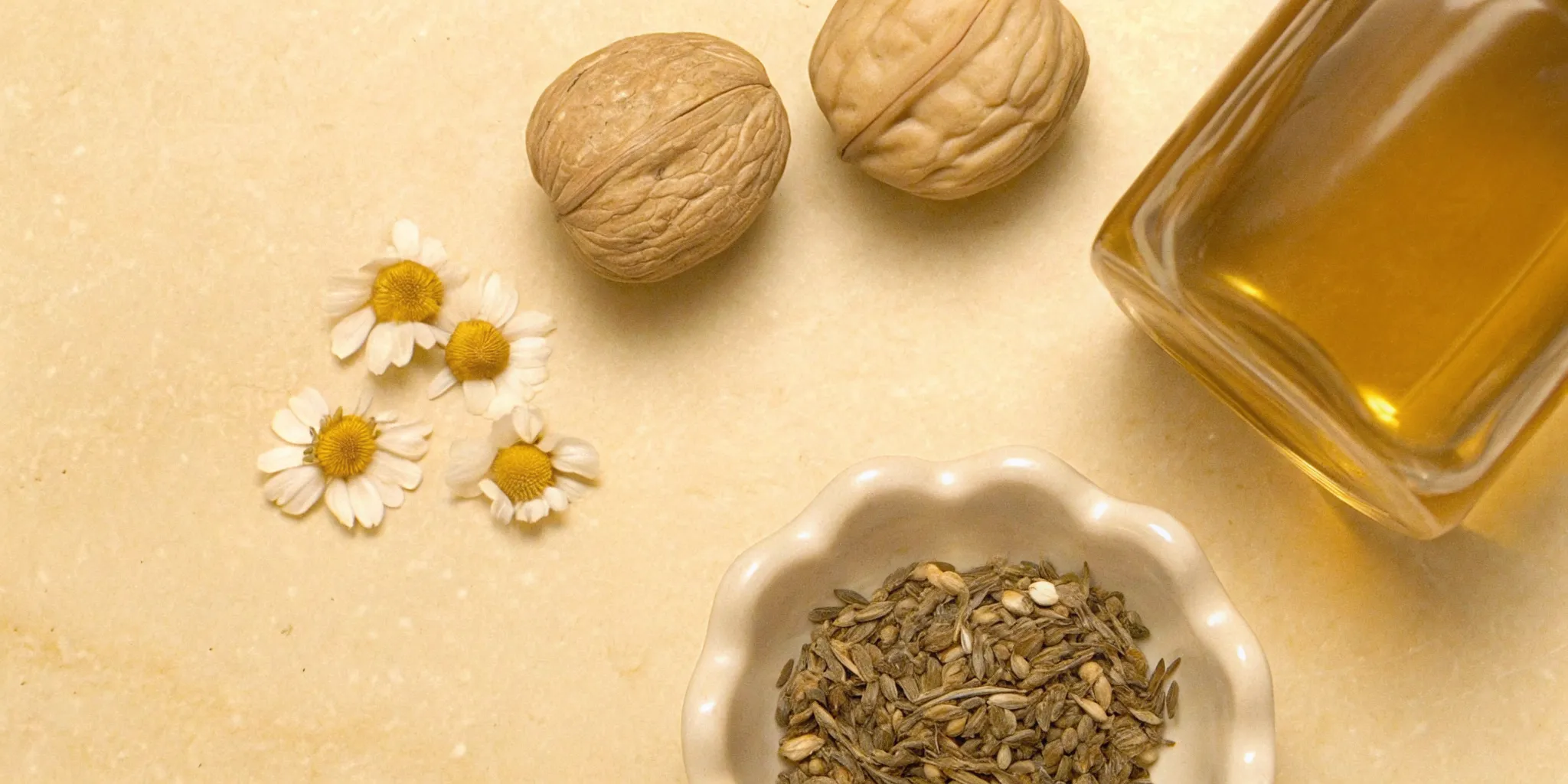
Finding the right natural supplements for anxiety often feels like a long trial. Many people start with herbs or minerals that have deep roots in history or modern science. These tools often work by helping the body handle stress or by supporting brain chemicals that lead to a sense of ease. But not all options work the same way for every person. It is vital to know how they differ before you add them to your daily routine.
Herbal adaptogens and extracts
Ashwagandha is one of the most popular herbs for those who feel the weight of daily stress. It has been used for centuries in traditional Ayurvedic medicine as an adaptogen. Adaptogens are unique compounds that help your body resist the effects of stress. This root is rich in phytochemicals called withanolides, which may help you stay resilient when things get tough. Some choose it to support better sleep, as its scientific name even hints at its sleep-inducing nature.
Other extracts like chamomile and L-theanine are also common. Chamomile is often taken as a tea or extract to lessen symptoms of worry. L-theanine, found in green tea, is known for its role in helping people stay calm but alert. While these herbs are generally safe for short-term use, you should always check with a professional first. Dietary supplements can have side effects or may not mix well with other medications you take.
Essential minerals and nutrients
Minerals like magnesium play a key role in how your brain and body relax. Some studies show that adding magnesium and B vitamins may help lower symptoms for people with anxiety. If your levels of these nutrients are low, it can make it harder for your body to stay balanced. Omega-3 fatty acids are another top choice for those looking for how gut health affects mood and energy that support overall brain health.
| Supplement | Primary Role | Common Source |
|---|---|---|
| Ashwagandha | Helps the body resist stress as an adaptogen. | Root extract |
| Magnesium | Supports muscle and nerve relaxation. | Seeds, nuts, leafy greens |
| L-Theanine | Promotes a calm and alert state. | Green tea leaves |
| Chamomile | Used to lessen mild symptoms of worry. | Dried flower heads |
| Omega-3s | Supports brain health and mood balance. | Fish oil or algae oil |
The role of the gut-brain axis
New research shows that your gut health is tied to how you feel. The gut-brain axis is central to managing your mood and stress levels. While many try live-bacteria supplements, they can be hard to use because they need cold storage and take time to work. Postbiotics offer a stable way to get signs that your gut may need more support without the wait. These compounds are heat-stable and do not need to stay in a fridge, making them a simple addition to a busy life.
Because postbiotics are already bioavailable, they can give you faster results in just one to three weeks. This is much quicker than most traditional live-culture routines. All SecondKind ingredients are third-party tested and made in cGMP-certified shops to ensure high quality. Focusing on gut-brain balance may be the missing piece for those who have not found relief with other natural supplements for anxiety.
How to choose and use supplements safely
Safety summary: Review supplements with a healthcare professional and choose products with clear labels and independent testing. Start only one new product at a time, then track how you feel.

Starting a new health plan can feel like a big step, so many people turn to natural supplements for anxiety to find calm. But not every product on the shelf is safe or helpful. You must know how to pick brands that value your well-being. By following a few simple steps, you can find help for your stress without taking needless risks.
Purity and quality standards
When you buy a supplement, you want to know that the label matches what is in the bottle. High quality brands use third party labs to test for purity, strength, and safety while looking for heavy metals or germs. You should also check for cGMP facilities where makers follow strict rules from the government. SecondKind uses these high standards to make sure you get natural mood support options that are both clean and stable.
Poor quality products can be weak or even harmful, and some may have fillers that cause gut upset or brain fog. When you choose a brand with clear lab results, you take the guess work out of your routine. This helps you stay on track with your health goals while building trust in the tools you use for mood and energy.
Medication links and side effects
Even natural herbs can change how your body handles other meds by blocking pills or making them too strong. It is vital to talk with your doctor before you add a new item to your day. This is a must if you take meds for your heart or mood. The NCCIH warns that dietary supplements can cause side effects or interact with other medicines.
If you are pregnant or nursing, you need to be extra careful since not all herbs are safe for babies. Your doctor can help you find a safe dose or a better choice for your needs while watching for signs of a bad reaction. It is also wise to avoid herbs with known safety risks, such as kava, which has been linked to liver health issues. By being proactive, you can use natural tools to help your gut stay in balance safely.
- Talk to a health pro. Ask your doctor or a trained expert about any new supplement. They can review your health history to see if it is a good fit for you.
- Verify the lab results. Look for a QR code or a link to a lab report on the bottle. This proves the brand tests every batch for safety and purity before it ships.
- Read the dose label. Do not take more than the bottle says. Taking extra will not help you feel better faster and could lead to an upset stomach.
- Add one item at a time. If you start postbiotics for stress support, wait a few weeks before you try something else. This lets you know exactly what is helping you feel better.
- Watch for changes. Keep a small log of how you feel each day. Write down your mood, sleep, and gut health. This data helps you and your doctor see if the plan is working.
Build a steadier calm-support routine
Start with the basics: A consistent routine that includes sleep, nourishing meals, movement, breathing practices, and professional support gives any supplement a more realistic foundation.

Routine helps the brain feel safe. When you have a plan for your day, your mind can spend less energy on stress. Small habits in food, sleep, and movement build a base for calm. These steps work well with natural mood support choices to help you feel steady. Owning your day is a good way to lower the noise of a busy life.
Morning rituals for lasting calm
Start your day with light and water. Sunlight helps set your body's clock, which makes sleep easier at night. Try to skip the phone for the first hour to keep your mind clear. Instead of reaching for coffee right away, drink a tall glass of water to wake up. High caffeine can increase jitters, so consider a smaller cup or a calming tea. Steady energy in the morning helps you stay on track.
Add a few minutes of deep breathing or soft movement. Some research shows that mindfulness tools can help manage stress symptoms over time. You do not need a long session to see benefits. Just five minutes of slow breaths can tell your nervous system that you are safe. This simple shift helps your body stay in a calm state as you start your tasks. It is a tool you can use anywhere.
Watch your sugar and caffeine intake through the day. Spikes and drops in blood sugar can mimic the feeling of panic. This can make it hard to tell if you are stressed or just hungry. Try to pair carbs with protein or fat to keep things level. Choosing whole foods like nuts, seeds, and greens gives your body the fuel it needs. This steady approach makes a big difference in how you feel later.
Daily gut-brain support
What you eat impacts how you feel. Your gut and brain talk to each other all day long. This path is called the gut-brain axis, and it is key for mood. Focusing on whole foods and steady meals prevents blood sugar drops that can feel like panic. Adding postbiotics for stress support can further help this link. A healthy gut allows for better talk with your brain.
Postbiotics are stable compounds that do not need a fridge. They are easy to add to a busy day. Unlike some live cultures that take time to grow, postbiotics provide bioavailable support for the gut wall. This help can be part of a plan using natural supplements for anxiety. Keep your snacks simple and rich in fiber to keep your energy steady. Steady gut health is a main pillar of a clear mind.
Winding down for deep rest
Good rest is the backbone of a calm mind. Create a routine that starts an hour before bed. Dim the lights and turn off screens to help your brain make melatonin. A cool room and a weighted blanket can also help you feel grounded. If your mind is racing, try writing down your tasks for the next day to clear your head. This lets you put your worries on paper instead of keeping them in your mind.
Consider botanicals that support sleep. For example, the name of the herb ashwagandha comes from the Latin word for sleep-inducing. This adaptogen can help your body handle stress well. When you combine better sleep with gut support and movement, you build a routine that lasts. These daily choices help you stay steady even when life gets busy. Strong habits build a path to long-term calm.
Where postbiotic gut-brain support may fit
Where it fits: Postbiotics provide stable bioactive compounds that can support gut balance without live bacteria. They may complement, rather than replace, sleep, nutrition, movement, and appropriate mental health care.

Many people search for natural supplements for anxiety to help manage daily stress and worry. Common choices include herbs like ashwagandha or minerals like magnesium. These often try to calm the mind or nervous system directly. Postbiotics offer a different way to help. They work through the gut-brain axis to support your mood and mental clarity from the inside out.
Postbiotics versus direct calm supplements
Direct calm supplements usually target your nervous system right away. While helpful, they do not always address how your gut health affects your mind. Postbiotics are the active compounds that beneficial gut bacteria produce. Instead of adding live bugs from a live-bacteria supplement, postbiotics give your body the end products it needs. This makes them more stable and heat-resistant than common options.
Because they are already in a form your body can use, postbiotics often work faster than common live-bacteria supplements. You may notice natural mood support options start to help in just one to three weeks. They provide steady support for your gut-brain balance. This can lead to less brain fog and more strength during a busy day. Unlike some herbs, postbiotics do not rely on a sedative effect to help you feel balanced.
Most people find that postbiotics are very easy to add to their day. Since they do not need to stay in the fridge, you can keep them on your desk or in your bag. This strength ensures that the parts stay active until they reach your gut. This is a big win for those who have found live-bacteria supplements to be too much work or too slow to act.
Adding postbiotics to your daily plan
You can use postbiotic support alongside your current wellness routine. They help fill the gaps that other supplements might leave behind. While some herbs help you relax in the moment, postbiotics work to build a strong foundation for your gut and brain health over time. This long-term approach helps your body handle stress with more ease and steady energy.
Choosing the right formula depends on your main goals and needs. Some key ways to use them include:
- Focused support for mental calm and mood balance.
- Help for stress that comes with bloating or stomach issues.
- Clean support for vegan, gluten-free, or non-GMO diets.
- Fast-acting support for a busy lifestyle.
If you want to focus on mental calm, you might Shop Mood Balance for focused support. If your stress often comes with bloating, you could Shop Gut Balance instead. Both formulas use high-quality parts that are third-party tested for purity in cGMP-certified facilities.
A science-first way to feel balanced
The postbiotics for stress support found in SecondKind products are based on new research. They help your gut send better signals to your brain. This can lead to a more balanced mood without the trial-and-error of live-bacteria supplements. Using stable, ready to use compounds means you get the same support in every dose you take.
Before starting any new supplement, talk to your doctor. Some dietary supplements can have side effects or react with other meds. It is always best to be safe when adding new things to your plan. Look for products that share their testing results and use clear labels so you know what you are getting.
These statements have not been evaluated by the FDA. This product is not intended to diagnose, treat, cure, or prevent any disease.
Explore Mood Balance for science-first postbiotic gut-brain support.
When should you talk with a healthcare professional?
Talk with a professional before starting: Get personalized guidance if symptoms interfere with daily life, if you take prescription medication, or if you are pregnant, nursing, or managing a health condition.

Deciding to add natural supplements for anxiety to your routine is a good step for your health. But it is vital to know when self-care needs to include a doctor. While many options are safe, a pro can help you find the best path for your needs. This is true if you take other meds or have health issues that need a close look.
Spotting symptoms that do not go away
It is normal to feel worry when you face stress. But for some, these feelings become big, lasting problems that are hard to curb. If your worry starts to hurt your work, sleep, or life, it may be time to see a doctor. Anxiety disorders are often managed with talk therapy, meds, or both per the NCCIH. Early help can help you manage these feelings before they grow too large.
You should also watch for physical signs that stay. These might be a fast heart, gut issues, or being very tired. While natural mood support options like postbiotics can help keep balance, they do not replace medical care for serious issues. A doctor can run tests to find other causes for your signs and make sure your plan is safe.
Checking for meds and supplement clashes
One of the top reasons to talk to a pro is to avoid safety risks. Some dietary supplements may have side effects or clash with meds you take now. For example, some herbs can change how your body handles blood thinners. A pro can check your pills to make sure nothing hits a snag. This step keeps you safe while you look for new ways to stay calm.
If you are pregnant, you should always talk to a doctor before you start any new herb. The safety of many plants has not been fully checked in this group. Your doctor can help you look at the good and bad of each choice. They can also suggest other ways to handle stress, such as postbiotics for stress support, if they fit your health.
Finding help in a crisis
If you feel a sense of crisis, please reach out for help right away. Natural supplements are for long-term health and not for a sudden crisis. If you have thoughts of harm or feel you cannot cope, call a pro or a crisis line at once. These experts give the fast, direct care you need in tough times to keep you safe.
Frequently asked questions
What is the best natural supplement for anxiety?
There is no single best option for everyone. Evidence, health history, medications, nutrient status, and the source of your symptoms all matter. A healthcare professional can help you compare options and identify interactions before you start.
How long do calm-support supplements take to work?
Timing varies by ingredient and person. Some people notice a change sooner, while other approaches require consistent use over several weeks. Follow the product directions and discuss a reasonable trial period with your clinician rather than increasing the dose on your own.
Can gut health affect stress and mood?
The gut and brain communicate through several pathways, often called the gut-brain axis. Supporting digestive balance can be one part of a broader routine for mood balance and resilience, but it is not a substitute for mental health care.
Can I combine several calm supplements?
Do not assume that natural means interaction-free. Herbs, nutrients, and other supplements can interact with medications or one another. Ask a pharmacist or healthcare professional to review the full combination first.
Ready to support your gut-brain balance?
Stress, brain fog, and gut issues can make every day feel like a struggle. Waiting to address these signs may lead to more fatigue and feeling out of sync. Choosing to help your daily gut health now means you can get back to your daily routine with more ease, focus, and steady energy in as little as one to three weeks of consistent use. You can support your daily routine with a stable postbiotic that is ready for your body to use. Explore Mood Balance to take a practical next step toward steady gut-brain support.
Ready to shop? Shop Mood Balance to support your mood.
These statements have not been evaluated by the Food and Drug Administration. Products discussed are not intended to diagnose, treat, cure, or prevent any disease.

