Bloating, scattered focus, and a short fuse may share one overlooked starting point: your gut. Postbiotics support the signals and barriers that connect digestion with whole-body well-being.
Explore Gut Balance for daily postbiotic digestive and gut-brain support.
Postbiotic benefits include support for digestive comfort, mood balance, immune function, and mental clarity. These stable, non-live compounds may help support the gut barrier and gut-brain signaling as part of a consistent wellness routine.
So which effects have the strongest support, and how might they show up in daily life? The next section, What are the main postbiotic benefits?, separates useful findings from broad wellness promises and shows why each one matters.
What are the main postbiotic benefits?
The main postbiotic benefits are digestive comfort, gut barrier support, immune balance, and gut-brain support for steadier mood and focus. The strongest claims depend on the specific ingredient, dose, and study design.
Postbiotics are preparations of inactive microbes, their parts, or both that provide a health benefit. In plain terms, they are useful compounds and cell parts left after helpful microbes have done their work. Unlike live-culture supplements, they do not rely on live bacteria reaching the gut.
This difference shapes many postbiotic benefits. A review of postbiotic research describes them as stable, non-live products with a long shelf life. Their stability can make daily use simpler, but each formula and ingredient still deserves a close look.
Digestive comfort and gut support
Many people first explore postbiotics for digestive ease. Certain postbiotics may help support the gut barrier and the way the immune system responds within the gut. These actions may promote a more comfortable and balanced digestive environment.
Clinical evidence is still developing, and results depend on the postbiotic strain, form, and dose. One research review found that oral postbiotic formulas may support abdominal comfort and quality of life in people with IBS. That evidence is promising, but postbiotics should not replace care for ongoing pain or major changes in digestion.
Mood balance and mental focus
The gut and brain communicate through nerves, immune signals, and compounds made in the gut. Because of this link, supporting the gut environment may also help support mood balance and mental clarity. Research has not shown that every postbiotic produces the same effects.
A useful way to assess these products is to ask what specific ingredient was studied and what outcome researchers measured. This context can help set clear expectations for focus and emotional balance.
Immune support and everyday resilience
The gut barrier and immune system work closely together. Some postbiotics may help guide immune activity and support the intestinal barrier, rather than simply adding more bacteria. These effects may support everyday resilience, though they do not prevent or treat infections.
The strength of evidence varies across ingredients and health goals. Researchers are studying postbiotics for digestive, immune, metabolic, and neurological uses, according to a clinical overview of postbiotics. For now, the clearest approach is to choose a well-studied ingredient and view it as one part of a wider wellness routine.
How postbiotics support digestion and gut barrier comfort
Postbiotics may support digestion by helping maintain the gut lining and the immune signaling that happens there. That can make them a practical option for people who want digestive ease without relying on live bacteria.
Digestive comfort depends on more than how quickly food moves through your system. The gut lining and its microbial community also shape how the digestive tract responds to daily meals. Postbiotics may support these systems without adding live bacteria.
Support for the gut lining
The intestinal barrier acts as a selective border between the gut and the rest of the body. It lets useful nutrients pass while helping keep unwanted material within the digestive tract. Research suggests postbiotics may support this barrier and influence immune activity in the gut.
This support comes from inactive microbes, their parts, and useful compounds produced during fermentation. A scientific review defines postbiotics as preparations of inactive microorganisms or their components that provide a health benefit. The same review of postbiotic research describes growing evidence for their use in gastrointestinal health.
Postbiotics can also include short-chain fatty acids and other microbial compounds. These compounds can interact with the gut environment and help support a balanced response. They do not need to colonize the gut to play a useful role.
Microbial balance without live cultures
Live-culture supplements must remain alive through storage and digestion. Postbiotics take a different route because the helpful material is already inactive. This difference may suit people who want steady gut support without introducing live cultures.
That does not mean postbiotics replace fiber, varied foods, hydration, or medical care. Instead, they can fit into a wider routine built around regular meals and daily habits. This wider view helps set fair expectations for daily digestive support.
People who react poorly to live cultures may find the non-live format appealing. Still, individual responses vary, and a steady routine matters more than chasing a fast result.
Regularity, bloating, and digestive ease
Regularity and bloating can shift with diet, stress, sleep, hydration, and gut sensitivity. Postbiotics may help support digestive ease by working with the gut barrier and microbial environment. The goal is gentle, consistent support, not a quick fix or a guaranteed result.
Clinical evidence is still developing, but early findings are useful. A review of studies found that oral postbiotic formulas may improve symptom severity and abdominal pain in people with IBS. These results do not mean every formula works the same way or suits every person.
If digestive comfort is your main goal, a targeted product can make daily use easier. SecondKind's Gut Balance is designed to support digestive ease, regularity, and a balanced gut routine. Speak with a healthcare professional about ongoing pain, major bowel changes, or symptoms that disrupt daily life.
Why gut-brain support may help mood, focus, and clarity
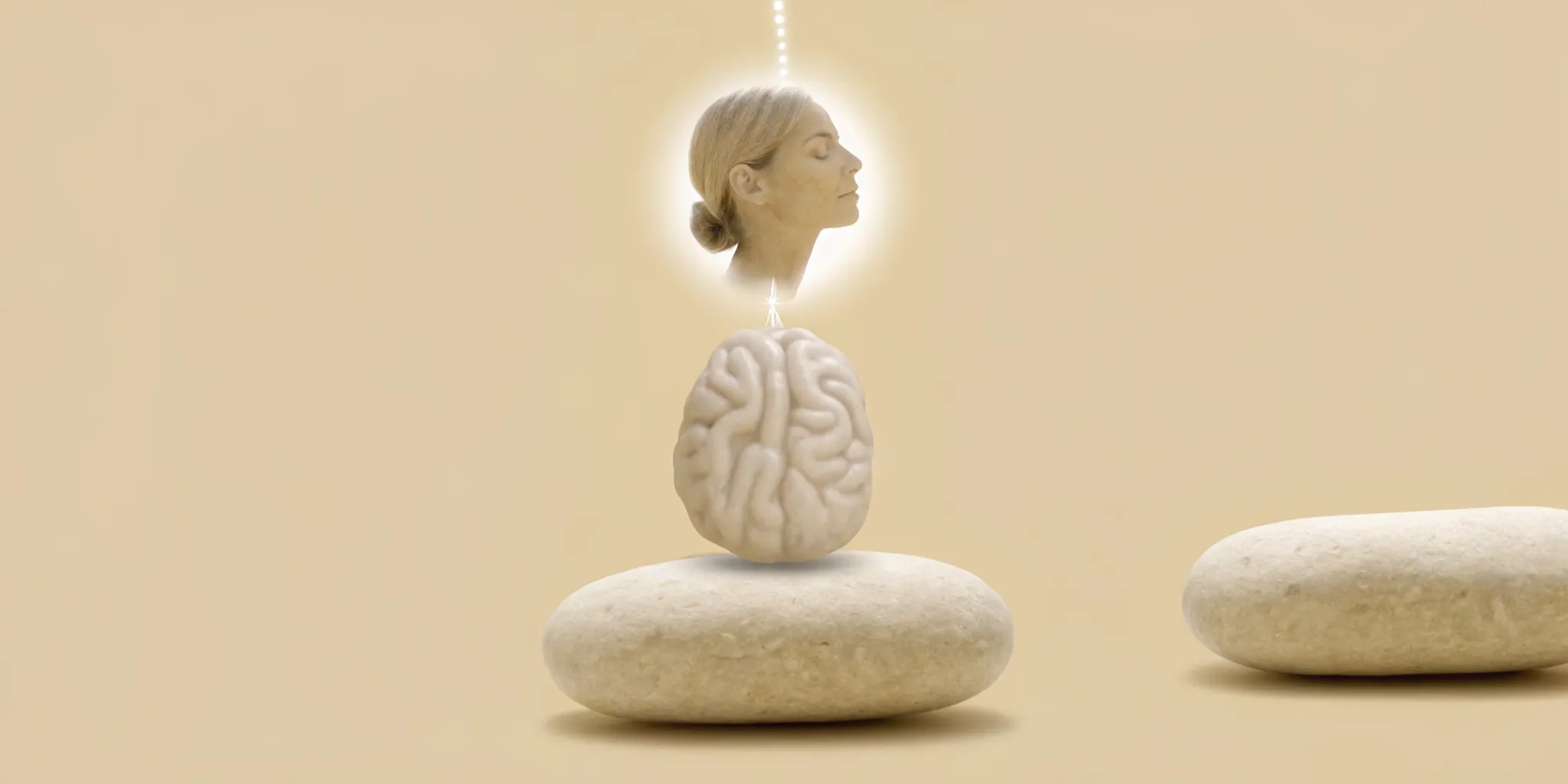
The gut and brain communicate through nerves, immune messengers, and microbial compounds. Supporting the gut environment may help create a steadier foundation for mood balance, mental clarity, and daily focus.
Your gut and brain do not work in isolation. The gut-brain axis describes their close link, which can shape digestive comfort, mood balance, and mental clarity. Supporting the gut may therefore help create a steadier base for clear thinking and emotional resilience.
The gut-brain connection
Gut balance matters because the intestinal barrier and immune system are part of this wider connection. Research suggests that postbiotics may help strengthen the intestinal barrier and shape immune activity. Scientists are also studying their potential role in neurological health, although the evidence is still growing. A review of postbiotic research outlines these areas of study.
This does not mean postbiotics treat low mood, poor focus, or any health condition. It means gut support may help the systems tied to how steady and clear you feel each day. The effect may be subtle, such as feeling less distracted by digestive discomfort during work or daily tasks.
Postbiotics and clearer days
Postbiotics are preparations of inactive microbes or their parts that provide a health benefit. Unlike live-culture supplements, they do not need to stay alive to work. That difference may make them easier to add to a consistent routine. SecondKind's guide to postbiotic supplement label checks explains what to check on a label.
For mood and focus, consistency matters more than chasing a quick shift. A steady gut-support routine may reduce the trial and error that can make wellness plans hard to follow. These postbiotic benefits may support mood balance and clarity over time, without making hormone claims or promising a fixed result.
- Mood balance: supports a more even emotional baseline.
- Emotional resilience: helps support steadiness during everyday stress.
- Focus and clarity: supports clear thinking as part of whole-body gut-brain care.
A steady routine for mood support
Start with the basics that also support gut health: regular meals, enough sleep, daily movement, and a routine you can keep. Then track how you feel across several weeks. Note changes in digestive comfort, focus, mood balance, and daily energy rather than judging one good or hard day.
If mood balance is your main goal, Mood Balance offers a focused way to add postbiotic gut-brain support to that routine. It is designed to support emotional balance and mental clarity, not diagnose or treat a condition. Speak with a healthcare professional about ongoing mood or focus concerns.
Can postbiotics support immune health?
Postbiotics may support immune health by helping the gut barrier and normal immune responses work together. They are best framed as everyday immune support, not as products that prevent or treat illness.
Postbiotics may help support immune health through their close relationship with the gut. The gut lining forms a key boundary between the body and material moving through the digestive tract. A balanced response at this boundary can help the immune system react without staying needlessly active.
The gut barrier connection
Some postbiotics interact with the intestinal barrier and immune cells rather than adding live bacteria. An academic review notes that postbiotics may support gut barrier function and immune signaling. These actions may help the gut maintain a steady, well-managed response to everyday challenges.
Barrier support matters because the gut lining helps manage what passes into the body. Postbiotic components may support that lining and the signals sent between gut and immune cells. This is one reason immune support appears among the potential postbiotic benefits, but research is still developing.
A balanced immune response
Immune support does not mean making the immune system more active at all times. A healthy immune response needs balance. It should respond when needed, then settle when the task is done. Postbiotics may help support this balance through microbial components and compounds that interact with immune pathways.
The effect can differ by postbiotic strain, preparation, dose, and the person taking it. Evidence for one studied ingredient cannot prove that every postbiotic has the same effect. Look for products that name their ingredients and explain the research behind them.
When reviewing immune claims, check whether the study tested the exact ingredient in the product. Also note whether the research involved people, how outcomes were measured, and how long the study lasted. These details help separate broad immune language from evidence tied to a specific postbiotic.
Immune support in daily use
Postbiotics are non-live preparations, which makes them different from live-culture supplements. They are also stable and can have a long shelf life, according to the same academic review. For a closer look at quality markers, read SecondKind's guide to SecondKind postbiotic supplement guide.
Think of a postbiotic as one part of a wider immune-support routine, not a shield against illness. Sleep, a varied diet, movement, and medical care still matter. Postbiotics are designed to support normal function. They are not intended to diagnose, treat, cure, or prevent disease.
Postbiotics vs prebiotics and live-culture supplements
Prebiotics feed microbes, live-culture supplements add living organisms, and postbiotics provide inanimate microbes or their useful components. Postbiotics stand out for stability, consistency, and no refrigeration requirements.
These three options support gut health in different ways. Prebiotics provide food for microbes, while live-culture supplements add living organisms. Postbiotics deliver inanimate microbes, their parts, or useful compounds they produce. An NCBI overview of gut microbiota defines them as preparations of inanimate microorganisms or their components that provide a health benefit.
How the three options differ
The main difference is what reaches your gut. A prebiotic gives existing microbes material to use. A live-culture product must keep its organisms alive through storage and use. A postbiotic contains no live bacteria, so its useful components are ready without relying on survival or growth.
| Comparison point. | Postbiotics. | Prebiotics. | Live-culture supplements. |
|---|---|---|---|
| What they provide. | Inanimate microbes, parts, or compounds. | Food for existing gut microbes. | Living microorganisms. |
| Depends on live bacteria. | No. | No. | Yes. |
| Storage. | Stable; no refrigeration needed. | Varies by product. | May require added care. |
| Main role. | Delivers useful microbial components. | Feeds microbes already present. | Adds selected live cultures. |
| Common challenge. | Ingredient quality still matters. | Amount and type may take adjustment. | Strain choice and survival can add trial and error. |
Where postbiotic benefits stand apart
Stability is a practical advantage. Research describes postbiotics as stable products with a long shelf life that allow easier storage and transport. Since they contain no live bacteria, they do not need refrigeration. This makes daily use simpler at home or while traveling.
Postbiotics also reduce some of the guesswork linked with keeping live cultures viable. You still need to check the ingredient, dose, and evidence behind any formula. This guide to how to evaluate postbiotic supplements explains which details deserve a closer look.
Choosing the right fit
Your goal can guide the choice. Prebiotics may suit someone who wants to nourish microbes already in the gut. Live-culture products may appeal to someone seeking a specific strain. Postbiotics may fit people who prefer a stable, non-live option with less trial and error.
Look beyond the category name when comparing products. Read the label for the exact ingredient, serving size, storage directions, and evidence tied to that formula. A clear label helps you compare like with like. It also makes your routine easier to track over time.
The options do not always need to compete. A routine may include more than one, based on tolerance and personal goals. SecondKind focuses on stable postbiotic formulas with no live bacteria and no refrigeration needs. Its approach is designed to support digestive ease and gut-brain balance without depending on live-culture survival.
How to choose a postbiotic for daily gut-brain support
Choose a postbiotic by looking for named ingredients, clear serving amounts, third-party testing, and benefits that match your goal. A good formula should explain what it supports without promising a cure.
Choosing a postbiotic starts with a clear goal, not a long list of vague benefits. Decide whether you want daily support for digestive ease, mood balance, regularity, or a mix of needs. Then use the label, study details, and quality checks to narrow the options.
Ingredient identity and evidence
The formal definition of postbiotics focuses on inanimate microorganisms or their parts that provide a health benefit. That makes the named ingredient and its evidence more useful than broad front-label claims.
SecondKind's guide to postbiotic supplement quality guide offers a deeper label walk-through. Use it to compare a short list before buying.
Set one main goal. A focused goal makes it easier to match the product's named ingredient with relevant human studies.
Find the full ingredient name and amount. Avoid labels that only say "postbiotic blend" without telling you what is inside.
Read the study match. Check whether human research used the same named ingredient, form, and daily amount shown on the label.
Review quality checks. Look for third-party testing, lot details, and clear contact information from the maker.
Check dietary fit. Vegan or gluten-free labels matter when they match your needs, but they do not replace evidence or testing.
Test routine fit. Choose a form and schedule you can take with ease, then follow the label directions each day.
Quality and label checks
Look for a clear cGMP manufacturing statement and proof of third-party testing. Useful proof may include a recent certificate of analysis, lot number, and contact path for questions. These checks help you judge identity and purity.
Also scan the full label for the serving amount, allergens, and added ingredients. If the label hides the amount or ingredient identity, it is hard to compare with published research. Clear details make a product easier to assess before it joins your routine.
Daily routine fit
Unlike live-culture supplements, postbiotics are stable and may not require refrigeration, according to a NIDDK digestive system overview. This can make them easier to store at home or carry while traveling. Still, follow the storage directions on the label.
Judge postbiotic benefits by how well the evidence, label, and routine fit line up. Track comfort, regularity, mood balance, and any unwanted effects over time. If symptoms worsen or persist, speak with a healthcare professional.
Can you get postbiotic benefits from food?
Food can help your own gut microbes create postbiotic compounds, especially when your diet includes fiber-rich and fermented foods. Supplements can offer a more targeted and consistent source of studied postbiotic ingredients.
Yes, food can support the natural process that creates postbiotics in the gut. Fiber-rich foods give gut microbes material to ferment. Fermented foods may also add useful microbial compounds to a varied diet. Still, food and direct supplements do not offer the same level of control.
How food supports postbiotic production
Think of food as support for your gut's own production line. Beans, oats, vegetables, fruit, nuts, and seeds provide many types of fiber. A varied mix helps create a steady supply of material for gut microbes to use. Fermented foods can play a role too, if they fit your needs.
The amount and type of compounds produced can differ from one person to another. Your food choices, gut microbes, and digestion all shape the result. Researchers define postbiotics as preparations of inactive microbes or their parts that provide a health benefit. This formal postbiotic definition is more specific than simply calling every fermented food a postbiotic.
Where supplements differ
A direct postbiotic supplement provides a set ingredient in a measured serving. That consistency can be useful when meals change from day to day. It can also suit people who want postbiotic support without adding live bacteria. Learn what labels and quality markers matter when choosing a high-quality postbiotic supplement.
Postbiotics are inactive rather than live, which makes them easier to keep stable during storage. A research review notes their long shelf life and simple storage needs. This does not mean every formula is equal. The strain or source, dose, testing, and evidence behind the ingredient still matter.
Choosing a practical approach
Food and supplements do not need to compete. A fiber-rich, varied diet can support the gut each day. A direct supplement can add a more consistent source alongside that routine. Your best choice depends on your diet, goals, tolerance, and health history.
- Start with foods you already enjoy and can eat often.
- Add new fiber-rich or fermented foods slowly if your digestion is sensitive.
- Check supplement labels for clear ingredients, serving amounts, and third-party testing.
Talk with a healthcare professional before making a major diet change or starting a supplement. This step matters if you are pregnant, nursing, taking medicine, or managing ongoing digestive symptoms.
Frequently Asked Questions
How are postbiotics different from live-culture supplements?
Live-culture supplements contain live microorganisms, while postbiotics are preparations of inanimate microorganisms and their components that provide a health benefit. Because postbiotics are not alive, they are generally more stable and do not require refrigeration. They deliver useful microbial components directly, rather than relying on live organisms to survive storage and reach the gut. This distinction follows the scientific definition of postbiotics.
How can I get more postbiotics in my diet?
A varied, fiber-rich diet helps gut microbes produce useful compounds during fermentation. Fermented foods may also provide some postbiotic compounds, though amounts can vary by food and processing method. A postbiotic supplement offers a more measured option. Check its ingredient list, serving size, testing standards, and storage directions before use. A healthcare professional can help assess whether supplementation fits your needs.
Are postbiotics safe and stable for regular use?
Postbiotics are non-live preparations, so they are generally stable and often easier to store than live-culture supplements. In a review of IBS clinical studies, adverse event rates were similar between postbiotic and placebo groups. Safety still depends on the specific ingredient, dose, and individual. Ask a healthcare professional before regular use if you are pregnant, nursing, immunocompromised, or managing a health condition.
Do postbiotics have anti-inflammatory properties?
Some postbiotic compounds may help support a balanced inflammatory response, but effects vary by compound and person. Short-chain fatty acids and inactivated microbial components can interact with the gut barrier and immune system. In one clinical study summarized in an academic review, pasteurized Akkermansia muciniphila reduced certain inflammation blood markers in insulin-resistant adults. More human research is needed before drawing broad conclusions.
These statements have not been evaluated by the Food and Drug Administration. SecondKind products are not intended to diagnose, treat, cure, or prevent any disease.
Ready to support your gut-brain balance?
Waiting to address recurring digestive discomfort, uneven mood, or mental fog can let those daily frustrations keep influencing your routines, meals, energy, focus, and choices. Starting now gives you time to build a simple, consistent habit and learn what support fits your needs without adding another complicated wellness overhaul. Choosing a postbiotic-first approach today can move you beyond live-culture trial and error while supporting digestion, mood balance, immune function, focus, and mental clarity. SecondKind also explains this postbiotic-first approach on its science page.
Shop the Gut and Mood Balance Bundle for daily postbiotic gut-brain support.