Sudden bloating and daily brain fog after age fifty show a clear shift in your gut microbiome. For many people, simple diet changes do not bring back steady focus or body comfort. Helping your aging body feel its best needs a deeper step than common probiotic pills.
Take the first step today: Explore Gut Balance for targeted postbiotic support designed for adults over 50.
Postbiotics for healthy aging support your body by giving active, stable compounds that restore gut balance, soothe bloating, and strengthen your crucial gut-brain connection. As we grow older, normal gut diversity drops, which can cause sudden brain fog, slow digestion, and a weaker immune response. Unlike common live probiotics, these stable byproducts do not need refrigeration and survive the journey through your stomach to work where you need them. Sourced research from the National Institutes of Health shows these active compounds help manage age-related gut changes and support steady body energy. Adding these science-backed byproducts to your daily routine offers a safe, simple way to support your gut, brain, and immune health over fifty.
How Your Gut Changes as You Age and Why Postbiotics Help
Answer: As you age, your gut microbiome loses diversity, inflammation rises, and digestion slows. Postbiotics provide stable bioactive compounds that restore balance without the trial-and-error of live probiotics.
As you grow older, your body goes through many changes, and your gut is no exception. Over time, how your gut works begins to shift, which can alter how you feel on a daily basis. New science shows that using postbiotics for gut health can help manage these shifts. Learning about these changes is the first step to keeping your body well.
The decline of gut variety
A major change in the aging gut is that it loses its mix of microbes. The gut is home to trillions of tiny bugs, and in your youth, this system is rich and varied. But as you age, the numbers and types of these helpful microbes start to drop. Studies show that gut microbiome diversity decreases with age, which can affect your health span. This loss of variety means your gut has a harder time handling daily stress.
- Beneficial microbes that break down fiber and produce nutrients decline with age.
- Less helpful bacteria can take over, creating an imbalance called dysbiosis.
- This imbalance makes digestion harder and can weaken your body's natural defenses.
The rise of gut inflammation
As we get older, low-grade inflammation often develops in the body. Experts call this slow process inflammaging. In the gut, this constant stress is linked to dysbiosis, which is an imbalance of bacteria. Studies in the National Institutes of Health database note that chronic gut inflammation is linked to dysbiosis, which can drive the aging process. Your diet plays a large role in how your gut acts as you age. To support your body, using postbiotics for gut inflammation can be a helpful way to protect your digestive system.
Common symptoms after fifty
These gut shifts lead to clear symptoms that many adults over fifty notice.
- Slower digestion: Food moves through your tract at a slower pace, often causing bloating, gas, and fullness after meals.
- Reduced nutrient absorption: Your gut lining becomes less able to absorb nutrients, leaving you tired even with a good diet.
- Weaker immune response: Since most of your immune system lives in your gut, these changes affect how well you fight off common bugs.
Using postbiotics for healthy aging can support your gut and help you stay active and strong.
What Are Postbiotics and How Do They Work?
Answer: Postbiotics are the stable, active compounds produced by gut bacteria during fermentation. Unlike probiotics, they contain no live bacteria, do not need refrigeration, and deliver direct support to your gut lining, immune system, and brain.
As you grow older, keeping your gut healthy becomes both more vital and more challenging. Scientists now study dietary interventions like postbiotics to support health as we age. Using postbiotics for healthy aging is a simple way for older adults to stay strong. These compounds are a big step forward for gut science.
Understanding Bioactive Compounds
To learn about postbiotics, we must look at how the gut works. Postbiotics are the helpful end-products of gut bacteria. When these friendly microbes break down fiber in your colon, they make bioactive compounds that support your health right away. This means you do not need live bacteria to get the benefits. By choosing postbiotics for gut health, you get the active molecules right away. These compounds include short-chain fatty acids that feed your gut lining and support regular digestion.
Why Live Probiotics Can Face Hurdles
Many people turn to probiotics when they want to support their digestion. But live probiotics have major limits because they contain active bacteria. These live cells are easily hurt by heat, acid, and shelf life, so many do not survive the trip to your gut. This weakness often leads to a lot of trial-and-error with your supplements. In contrast, postbiotics do not contain live bacteria, so they bypass these hurdles with ease.
| Feature | Probiotics | Postbiotics |
|---|---|---|
| Active Component | Live bacteria | Bioactive compounds |
| Stability | Sensitive to heat and acid | Highly stable and durable |
| Refrigeration | Often required | Never required |
| Ease of Use | High trial-and-error | Consistent and direct support |
The Benefits of Shelf Stability
One of the biggest perks of postbiotics is their simple nature. SecondKind's postbiotics are shelf-stable and do not need refrigeration, making them a convenient choice for your daily routine. Many older adults find it hard to manage supplements that must stay cold or are easily hurt by heat. With postbiotics, you can keep your bottle on your counter or take it with you when you travel.
Why Does the Gut-Brain Axis Matter More Over 50?
Answer: The gut-brain axis is the two-way communication network between your digestive system and your brain. After 50, age-related gut changes can disrupt this pathway, affecting mood, focus, and mental clarity. Postbiotics help maintain this critical connection.
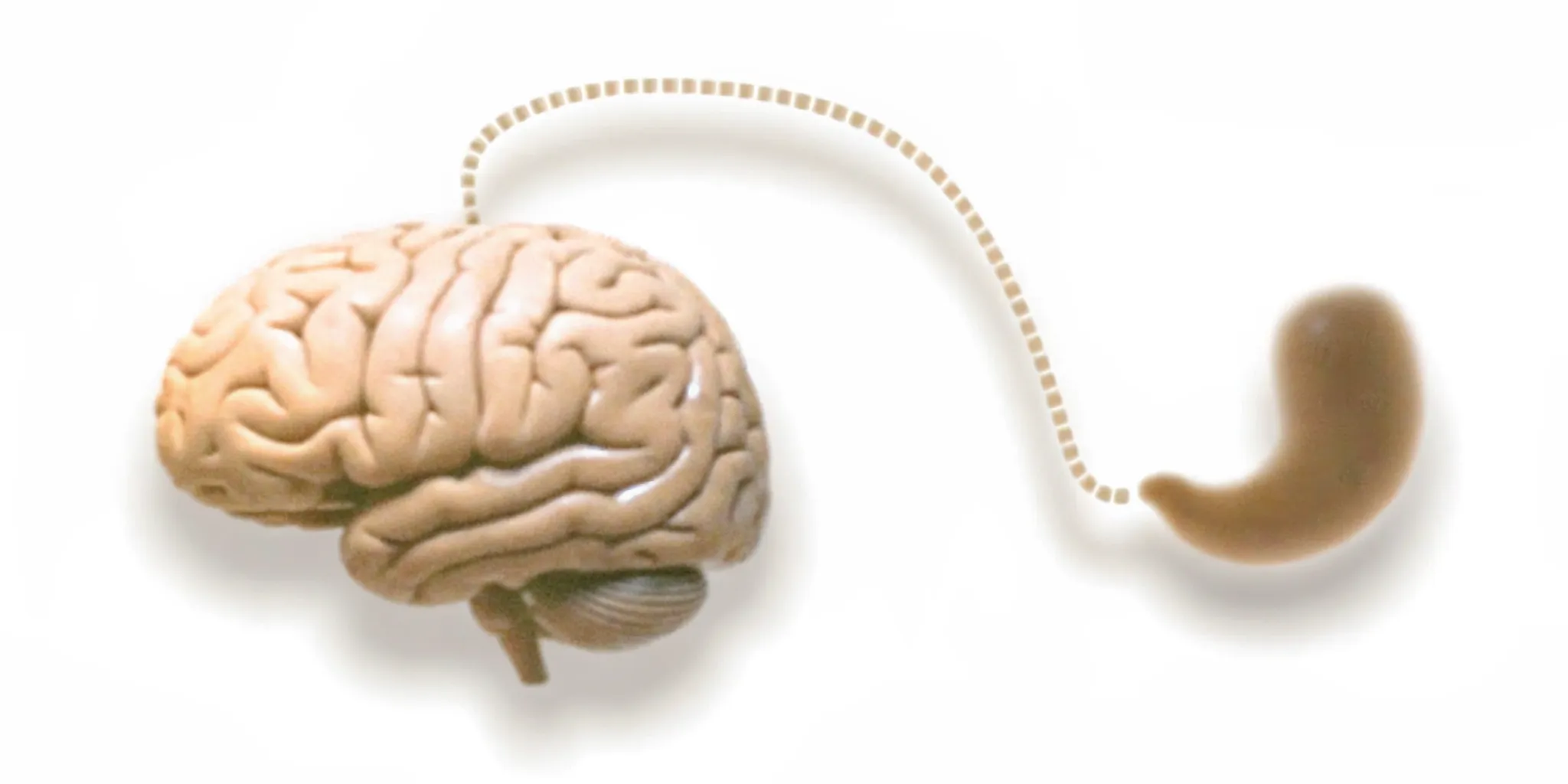
The gut-brain axis is a two-way path between your brain and your gut. As you age, this link becomes more vital for your overall health. Keeping this system in balance helps support a sharp mind and steady mood. Many older adults find that this gut-brain link is key to feeling well.
Chemicals that drive your mood
Your gut does far more than just break down food. It makes a major share of the chemicals that control how you think and feel. In fact, research shows that 91% of your serotonin and 50% of your dopamine start in your gut. These chemical signals travel along the gut-brain pathway to manage your sleep, stress, and focus. Supporting this link with postbiotics for mental clarity helps keep these systems running smoothly as you get older.
With age, gut changes can disrupt this chemical flow. Low levels of these key chemicals can lead to feelings of stress, brain fog, and fatigue. Supporting the gut-brain axis is crucial for mental clarity, mood balance, and steady energy levels as you move into your 50s and beyond.
Targeting brain aging at the cellular level
Recent studies have shed light on how to protect our minds as we get older. Scientists have found that postbiotics may target cellular events linked to brain aging. This means these compounds go beyond simple digestion to support your brain directly. By learning how postbiotics improve mood, we can see how these molecules help you manage stress. These tiny bioactive compounds act as a strong shield for your mind.
A simple step for daily clarity
Adding postbiotics to your morning routine is an easy way to support your gut-brain axis. You do not have to worry about complex storage or fragile pills. Since postbiotics are fully stable, they stay effective on your shelf or in your travel bag. This makes it simple to stay on track, which is the key part of any wellness plan.
How Do Postbiotics Support Immunity and Digestion After 50?
Answer: Postbiotics strengthen the gut lining, support healthy immune function, and help maintain regular digestion by providing the exact compounds your gut needs without the fragility of live bacteria.
As we age, our bodies change in many ways. According to a study on gut health, healthy aging plans combine food changes, movement, and gut support to help control body swelling. Your digestive tract houses most of your immune system. If your gut health declines, your body defenses can weaken too.
Gut-Immune Connection in Aging
The gut and the immune system work as a team. With age, the gut microbiome loses its natural balance. This loss of balance can cause daily stomach issues and a slower immune response. Experts use postbiotics to restore gut balance, as shown in a scientific review on aging. These tools give the body the exact compounds it needs without live bacteria.
- Postbiotics help protect the soft lining of your gut, keeping harmful substances out of your bloodstream.
- A strong gut barrier means better digestion and a more responsive immune system.
- Using postbiotics for gut inflammation helps maintain this protective wall as you age.
Clinical Proof for Yeast Postbiotics
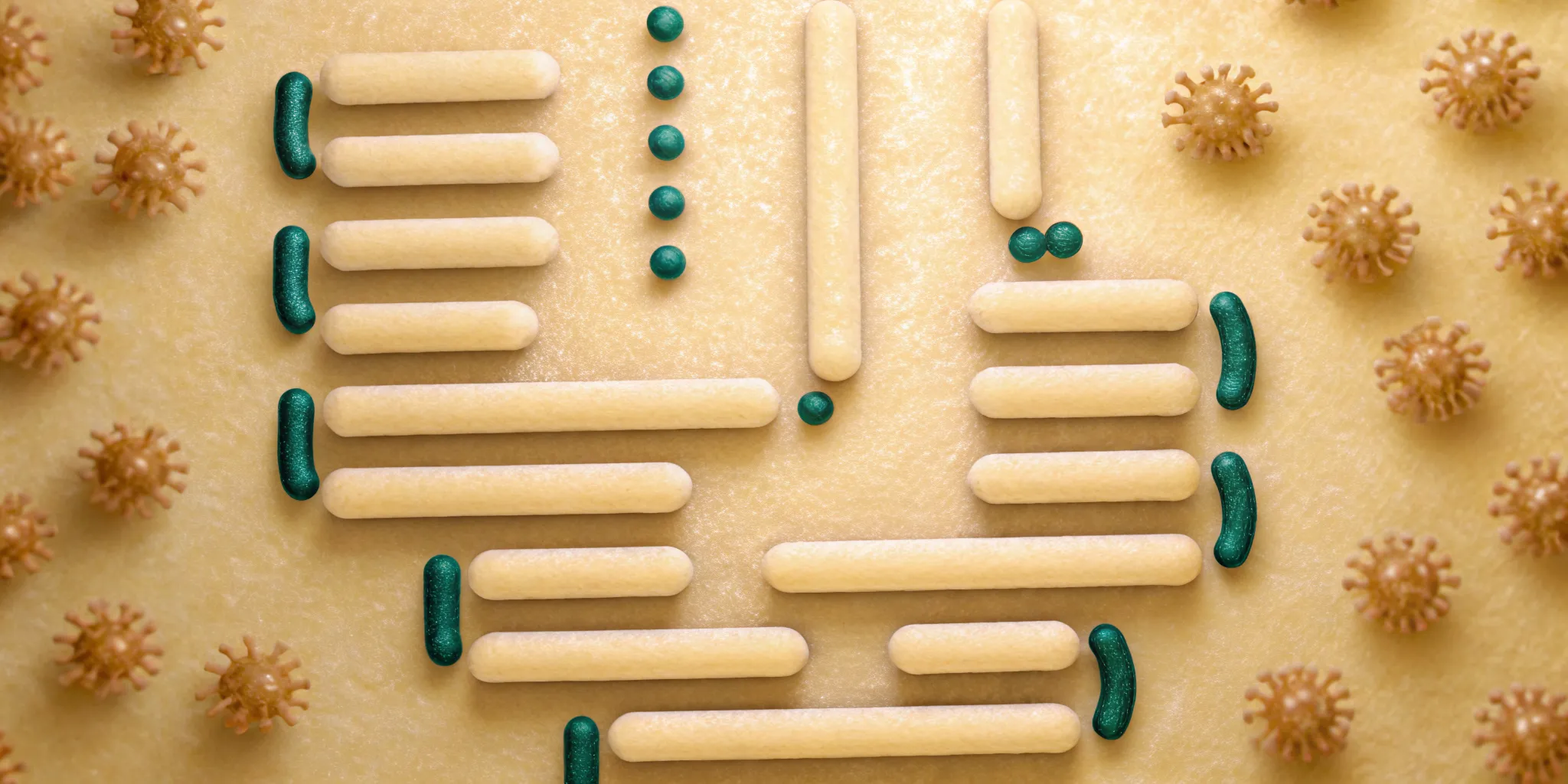
Clinical proof shows how yeast postbiotics can support our defense systems. In a study on yeast postbiotics, experts tested 256 children during the flu season. One group took a daily dose of EpiCor yeast postbiotic, while the other took a placebo. The study lasted for 84 days. Children taking the postbiotic had much less severe cold and flu symptoms compared to the placebo group. They had fewer problems with sore throats and muscle aches. Also, those in the placebo group were 1.73 times more likely to use cold or flu drugs than those in the postbiotic group. This trial shows that postbiotics can help maintain immune health under yearly stress.
Building a Strong Gut Barrier
Older adults can use these findings to guide their own health routines. Supporting digestion and immune defenses needs a strong gut barrier. As the body grows old, the gut wall can become thin and leak. Postbiotics help by feeding the cells that line the digestive tract. This support helps keep the gut tight and healthy. It also makes it easier to get goodness from food, reducing gas and bloating after meals.
How to Build a Healthy Aging Routine with Postbiotics
Answer: A healthy aging routine combines whole-food nutrition, regular movement, and consistent postbiotic support. Adding a shelf-stable postbiotic like SecondKind's BiomeBalance formula helps maintain gut-brain balance without complex storage or scheduling.
How do we stay strong and sharp as we get older? The key is to start with simple habits. Experts agree that healthy aging plans often combine diet changes, daily movement, and gut health support. When you focus on these three pillars, you can manage the daily wear on your cells to feel more active.
Core lifestyle shifts
Your daily choices are the best tools you have. Eating whole foods and moving your body help keep your cells active and strong. These habits also manage inflammation and oxidative stress in the body. By making small changes today, you protect your health to start a fresh routine.
A simple daily sequence
- Adjust your diet first. Focus on eating clean whole foods. Adding fresh greens and lean proteins helps lower stress on your gut. Try to cut down on processed sugar and fried items as well.
- Keep your body moving. You do not need to lift heavy weights. A simple brisk walk or swim for twenty minutes daily can do wonders. Daily movement helps keep your gut and brain in sync.
- Add steady gut support. Add Gut Balance to your morning routine to support gut comfort. This simple step helps maintain gut balance as you age.
Easy postbiotic support
Adding postbiotics to your day is easy. SecondKind built the BiomeBalance formula to help you maintain gut-brain balance without any hassle. This advanced blend combines three studied postbiotics called Totipro, EpiCor, and Bereum. It works fast to support your daily wellness so you feel a difference in your gut and focus.
- Simple dosing: Take only two capsules daily.
- No refrigeration needed: Keep it in your bag or on your desk.
- Flexible pricing: Gut Balance is $49.99 one-time or $42.49 with subscription. Add Mood Balance for complete gut-brain support.
These statements have not been evaluated by the Food and Drug Administration. These products are not intended to diagnose, treat, cure, or prevent any disease.
Frequently Asked Questions
Who should not take postbiotics?
Most people can take postbiotics safely because they do not contain live bacteria. However, those with severe illnesses or weak immune systems should talk to a doctor first. According to a review in PubMed Central, these dietary options help support gut health. Still, some people need medical advice before they start.
Which is better, postbiotic or probiotic?
Probiotics contain live bacteria, which can be weak and need to be kept cold. In contrast, postbiotics contain stable active compounds. According to SecondKind, they do not need to be kept cold and offer less trial-and-error. This stability makes postbiotics simpler to use on a daily basis.
What are the best postbiotics?
The best postbiotics are those backed by clinical research on human health. For example, EpiCor is a well-studied option that supports immune and gut health. According to a study on PubMed Central, stable postbiotics help keep a healthy gut balance. Look for products with clear, third-party tested ingredients.
Do postbiotics clear up skin?
Postbiotics can support skin health by helping to control inflammation in the body. Since the gut and skin are linked, a healthy gut microbiome can lead to clearer skin. According to a study in PubMed Central, gut balance plays a large role in managing inflammation, which directly affects how your skin looks.
Ready to support your gut and brain health?
Your gut changes as you grow older, and waiting to address these shifts can lead to more bloating, slow digestion, and less mental clarity. If you ignore these signs now, you may face longer recovery times, more discomfort, and a harder time staying active in your daily life. Starting a daily habit today can help restore your natural balance, keep you feeling sharp, and protect your well-being for the years ahead.
Start your healthy aging journey today: Order Gut Balance now and support your gut and brain health with clinically studied postbiotics.