Your digestive health controls how well your body fights off daily stressors and invisible threats. Strengthening this internal shield requires a modern approach that goes beyond standard probiotic supplements. The gut houses about 70 percent of your immune cells. Which means supporting digestive health is one of the most direct ways to help your body stay resilient day after day.
Postbiotics for immune system support are bioactive compounds that directly strengthen your body's Gut-Associated Lymphoid Tissue (GALT), which houses about 70 percent of your immune cells. Unlike live probiotics, these stable substances raise serum immunoglobulin G levels and reinforce the gut barrier without requiring refrigeration or bacterial colonization.
Shop SecondKind Gut Balance - science-backed postbiotic support with free shipping on orders over $60.
Below we explore how postbiotics interact with your immune cells, what the clinical research says, and how to incorporate them into your daily wellness routine.
Postbiotics For Immune System: What Are Postbiotics and How Do They Support Immunity?
Most people know about probiotics and prebiotics, but postbiotics are the bioactive compounds that probiotic bacteria produce when they digest prebiotic fibers. Think of them as the active tools your gut microbes create to keep you healthy. Unlike probiotics, postbiotics do not contain live organisms, which makes them stable, shelf-stable, and easier for your body to use immediately. This stability is a key advantage because live probiotics must survive stomach acid, bile salts, and digestive enzymes before reaching the gut. Many probiotic strains do not make it through this journey intact, which limits their effectiveness. Postbiotics bypass this problem entirely by delivering the functional compounds your body needs without relying on live bacteria to produce them internally.
Bottom line: Postbiotics deliver the functional byproducts of healthy fermentation directly to your immune cells without the trial and error of live probiotics.
| Type | Role in Gut Health | Key Benefit |
|---|---|---|
| Prebiotics | Fiber-rich food for gut bacteria | Feeds beneficial microbes |
| Probiotics | Live bacteria and yeast | Introduces new microbes to the gut |
| Postbiotics | Bioactive bacterial byproducts | Directly supports immune cells and barrier function |
Common postbiotic compounds include short-chain fatty acids (SCFAs) like butyrate, acetate, and propionate, as well as enzymes, antimicrobial peptides, vitamins, and amino acids. Each type plays a distinct role in how your gut communicates with your immune system. For example, butyrate serves as the primary fuel source for colon cells while also signaling immune cells to maintain a balanced response. You can learn more about this process in our guide on how postbiotics work.
How Postbiotics Modulate Immune Cells and Strengthen Defenses
Bottom line: Postbiotics raise serum IgG levels, produce antimicrobial peptides, and send SCFA signals that help immune cells respond appropriately without overreacting.
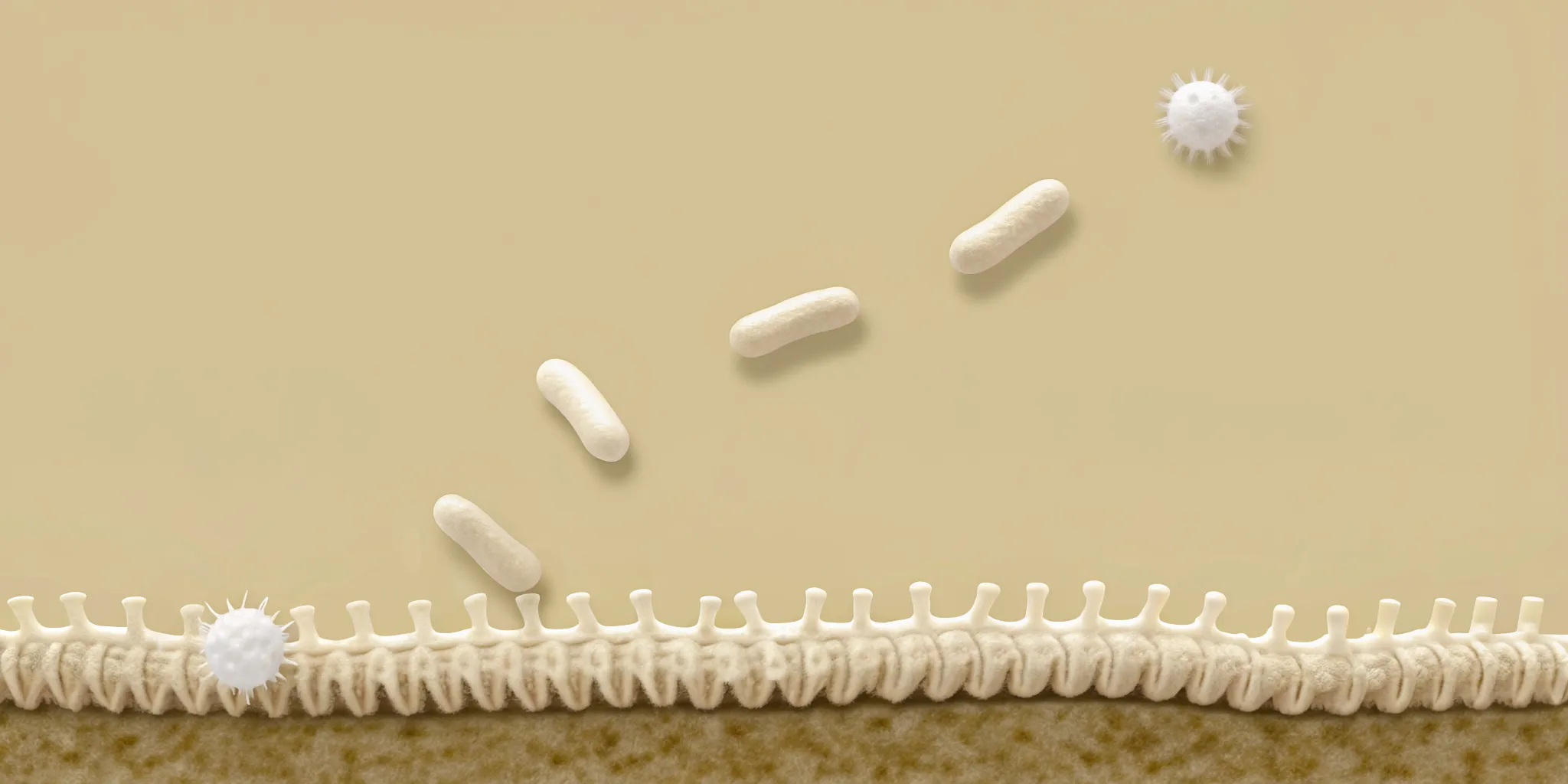
Your gut houses about 70 percent of your immune cells within the Gut-Associated Lymphoid Tissue (GALT). This network acts as your body's first line of defense, scanning everything you eat and drink for potential threats. The GALT must distinguish between harmless food molecules, beneficial gut bacteria, and dangerous pathogens. Postbiotics support this system through three well-researched mechanisms.
Raising Immunoglobulin G Levels
Serum immunoglobulin G (IgG) is the most abundant antibody in your bloodstream. It identifies and neutralizes pathogens like bacteria and viruses before they can cause infection. Research shows that postbiotics help increase serum IgG levels, giving your body a stronger surveillance system against everyday threats. Unlike probiotics that must survive stomach acid to work, postbiotics deliver these IgG-boosting benefits directly. This mechanism is particularly important during cold and flu season when your immune system faces higher demand.
Producing Antimicrobial Peptides
Postbiotics also stimulate the production of antimicrobial peptides, natural compounds that slow the growth of harmful bacteria in the gut. These peptides act as a targeted defense system, helping to maintain the delicate balance of microorganisms in your digestive tract. Because these peptides are already active when you take a postbiotic supplement, they do not need to be produced by live bacteria inside your body. This provides consistent, reliable support for your gut ecosystem regardless of your current microbiome composition.
Sending Signals with Short-Chain Fatty Acids
SCFAs act as signaling molecules for your immune cells. They tell your immune system when to activate and when to rest, keeping your defenses balanced and preventing chronic inflammation. Butyrate, in particular, helps maintain the integrity of the gut lining by supporting tight junction proteins. SCFAs also help strengthen the tight junctions between gut lining cells, preventing unwanted molecules from leaking into your bloodstream. According to Harvard Health, these fatty acids help beneficial bacteria flourish while supporting the gut barrier. This signaling function is unique to postbiotics because the SCFAs are already formed and ready to communicate with your immune cells immediately.
Clinical Evidence: What Research Says About Postbiotics for Immune Health
Bottom line: Multiple human clinical trials, including eight on the EpiCor postbiotic yeast fermentate, demonstrate that postbiotics improve immune markers, strengthen the gut barrier, and support overall immune function.
The science behind postbiotics is grounded in peer-reviewed research. Unlike many supplement categories that rely on theoretical benefits, postbiotics have a growing body of clinical evidence supporting their role in immune health. Here are the key findings from human and animal studies:
- EpiCor clinical trials: One well-studied postbiotic, EpiCor, has 15 published studies including eight human clinical trials. Participants reported fewer seasonal health issues and higher energy levels during winter months compared to placebo groups.
- Serum IgG increase: Both human and animal models confirm that postbiotic supplementation raises serum IgG levels, improving the body's ability to recognize and respond to pathogens throughout the entire system.
- Gut barrier markers improve: Postbiotics lower diamine oxidase (DAO) levels, a clinical marker of gut barrier integrity. Lower DAO suggests a stronger, less permeable gut wall that keeps harmful substances where they belong.
- LPS reduction: Postbiotics help reduce lipopolysaccharide (LPS) translocation into the bloodstream, decreasing systemic immune activation caused by gut leaks. This helps prevent the low-grade inflammation that contributes to brain fog and fatigue.
- GALT activation: Studies show that gut microbiota is essential for GALT function and that postbiotics support this immune training ground directly by providing the molecular signals immune cells need to develop properly.
- Gut barrier integrity: Research published in peer-reviewed journals demonstrates that postbiotics enhance gut barrier integrity by supporting tight junction proteins, reducing intestinal permeability and its downstream effects.
- Natural killer cell activity: Some studies suggest postbiotics may support natural killer (NK) cell function, helping the body respond to cellular threats more effectively.
This evidence confirms that postbiotics are more than a trend. They represent a targeted approach to immune support backed by measurable biological outcomes that have been replicated across multiple study populations.
Why Gut Barrier Integrity Matters for Overall Immunity
Bottom line: A strong gut barrier prevents toxins and bacteria from leaking into your bloodstream. Postbiotics directly support the tight junctions that keep this barrier intact.
Your gut lining is a single layer of cells held together by tight junctions. When this barrier is healthy, it allows nutrients through while keeping harmful substances out. When it weakens, a condition often called leaky gut, toxins like lipopolysaccharide (LPS) can enter your bloodstream and trigger widespread immune activation. This places constant stress on your immune system, forcing it to manage chronic low-level inflammation instead of focusing on genuine threats. Over time, this can lead to fatigue, brain fog, and a weakened response to seasonal challenges.
Postbiotics help fortify this barrier by sending signals that keep tight junctions sealed. Studies show that SCFAs, particularly butyrate, directly support the production of mucin and tight junction proteins that form the physical barrier between your gut and bloodstream. By lowering markers of gut leakage like DAO and LPS, postbiotics help your immune system focus on real threats rather than managing chronic low-grade inflammation. Learn more about this process in our article on postbiotics for gut inflammation. A well-maintained gut barrier is the foundation upon which all other immune functions depend.
The Gut-Brain-Immune Connection: A Three-Way Axis
Bottom line: The gut, brain, and immune system communicate constantly through the gut-brain-immune axis. Postbiotics support all three components simultaneously.
Your gut and brain talk to each other every day through a complex network of nerves, hormones, and immune signals. This gut-brain axis is well known, but the immune system is the critical third member of this team. Immune cells in the gut produce signaling molecules called cytokines that travel through the bloodstream and vagus nerve to reach the brain. When the gut barrier is compromised, inflammatory signals from the gut can contribute to brain fog, mood changes, and mental fatigue.
Postbiotics work on all three parts of this axis at once. They support the gut wall, guide immune cell behavior, and help maintain balanced cytokine production that supports clear thinking and steady energy. Unlike probiotics, postbiotics are stable and do not need refrigeration, which makes them a practical choice for busy people. Using Mood Balance is one way to target this connection, as it is designed to support the gut-brain-immune axis for both mental clarity and physical resilience. When you support this three-way axis, you are addressing the root of many common wellness concerns rather than treating each symptom separately.
How to Add Postbiotics to Your Daily Immune Support Routine
Bottom line: Pair a daily postbiotic supplement with a fiber-rich diet for consistent immune support. Take your supplement at the same time each day for steady results.
Adding postbiotics to your daily routine is straightforward. Here are the key steps to maximize their immune-supporting benefits:
Choose the right supplement
Look for a postbiotic formula that contains clinically studied ingredients like EpiCor yeast fermentate. SecondKind Gut Balance delivers postbiotic compounds specifically designed for daily immune and digestive support, with no refrigeration required and a 60-day money-back guarantee. Subscriptions are available with 15 percent savings and can be paused, skipped, or canceled at any time.
Pair with prebiotic foods
Maximize results by eating fiber-rich foods like oats, onions, garlic, beans, bananas, and asparagus. These prebiotic fibers feed your beneficial gut bacteria, which naturally produce additional postbiotic metabolites. This dual approach provides your body with a wider range of active compounds throughout the day.
Stay consistent for long-term results
Take your supplement at the same time each day to maintain steady levels of active compounds in your gut. Most clinical studies show measurable improvements in immune markers over four to twelve weeks of daily use. The consistency of daily intake is more important than the specific time of day you choose. Pairing this with adequate sleep, regular physical activity, and stress management amplifies the benefits for your gut-brain axis and overall wellness.
These statements have not been evaluated by the FDA. This product is not intended to diagnose, treat, cure, or prevent any disease.
Frequently Asked Questions
How long does it take for postbiotics to support immune function?
Most studies show meaningful immune and gut changes over four to twelve weeks of daily postbiotic use. Consistency matters more than dosage timing. Some people notice improved digestion within the first two weeks, while systemic immune benefits typically build gradually.
Are postbiotics safe to take every day?
Yes. Postbiotics are well-tolerated for daily use because they contain active compounds rather than live bacteria. Research published in Nutrients confirms their safety profile. Always consult your healthcare provider before starting any new supplement regimen.
Do postbiotics need to be refrigerated?
No. Unlike most probiotics, postbiotics do not contain live cultures and remain stable at room temperature. This makes them ideal for travel and busy lifestyles without worrying about spoilage or potency loss.
Are postbiotics more effective than probiotics for immune health?
Postbiotics offer a more direct path to immune support because they are already in their active form. Probiotics must survive stomach acid to reach the gut, which does not always happen. Postbiotics skip this step entirely and deliver compounds your immune cells can use immediately. This also makes postbiotics a great option for people who experience bloating or digestive discomfort from probiotic supplements.
Can I get enough postbiotics from food alone?
Fermented foods like kimchi, kefir, sauerkraut, and kombucha contain some postbiotic compounds, but the amounts vary widely based on preparation methods and storage conditions. A concentrated supplement ensures a consistent, clinically relevant dose of the specific compounds studied for immune support.
Do postbiotics for immune system support work alongside other supplements?
Postbiotics complement most supplement routines because they do not compete for absorption with other nutrients. They work well alongside vitamin D, zinc, and vitamin C for comprehensive immune support. Always check with your healthcare provider before combining supplements.
Ready to Support Your Immune System Naturally?
Give your immune cells the direct support they need with a science-backed postbiotic formula made in the USA in cGMP-certified facilities. Start building a stronger foundation for your health today with a stable, effective postbiotic that works as hard as you do.
Shop SecondKind Gut Balance - free shipping on orders over $60. Subscribe and save 15 percent. Every purchase is backed by a 60-day money-back guarantee.