


A racing heart, restless sleep, or persistent brain fog can make your nervous system feel stuck in high gear. Evidence-backed supplements that calm the nervous system may support a steadier response to everyday stress, but they work best alongside sleep, movement, nutrition, and professional guidance when needed.
Explore Mood Balance for postbiotic gut-brain support.
Magnesium, omega-3 fatty acids, ashwagandha, saffron, and lemon balm are among the most discussed calming supplements. Their evidence, effects, and safety profiles differ. Start with one well-tested product, use an evidence-informed dose, and check with a healthcare professional if you take medication, are pregnant or nursing, or have a health condition.
How supplements that calm the nervous system may help
Calming supplements may support nerve signaling, the body's stress response, sleep, or gut-brain communication. They do not switch off stress immediately or replace medical care, but the right option may help create a steadier baseline over time.
Supporting the stress response
When a challenge appears, the sympathetic nervous system helps prepare the body to act. That response is useful in short bursts, but feeling constantly alert can affect sleep, focus, and energy. Adaptogens such as ashwagandha are studied for how they may help the body respond to stress. The National Institutes of Health notes that some ashwagandha root extracts may reduce perceived stress and cortisol in adults, although studies use different extracts and methods.
A systematic review found improvements in stress and anxiety measures in several trials, often at ashwagandha doses between 300 and 600 mg per day. That does not mean the same dose or result is right for everyone. Extract concentration, medications, and individual health all matter.
Helping nerves send balanced signals
Magnesium participates in hundreds of processes, including nerve and muscle function. It is often marketed for relaxation and sleep, but evidence for stress relief is less consistent than the marketing suggests. A supplement may be most useful when intake is low or a clinician identifies a deficiency. Supplemental magnesium can also cause digestive side effects and interact with some medications.
Omega-3 fatty acids help form cell membranes, including those in the brain. Food sources include fatty fish, flaxseed, and algae. Supplements may be an option for people who do not regularly eat those foods, but product quality and dose should be discussed with a professional, especially when taking blood-thinning medication.
Connecting gut and brain support
The gut and brain communicate through nerves, immune pathways, and chemical signals. This network is called the gut-brain axis. Supporting digestive health may contribute to mood balance and resilience, but it is more accurate to describe this as two-way communication than to promise that a calm gut will automatically create a calm mind.
Postbiotics are non-living compounds or preparations produced through fermentation. Because they do not contain live bacteria, they are stable and do not need to colonize the gut. For people exploring gut-brain support during everyday stress, postbiotics can offer a practical, no-refrigeration option.

Which calming supplements have the strongest evidence?
Ashwagandha and omega-3s have relatively substantial human research for stress-related outcomes, while magnesium, saffron, and lemon balm have promising but more variable evidence. Strong evidence for a specific use does not guarantee that a supplement will work for every person.
Ashwagandha
Ashwagandha is an adaptogenic herb studied for perceived stress, sleep, and cortisol. Trials commonly use standardized root extracts, so a generic powder may not match the products studied. Research summarized by the NIH Office of Dietary Supplements suggests potential benefits for stress and sleep, but it also notes safety concerns and gaps in long-term evidence.
Magnesium and omega-3 fatty acids
Magnesium supports normal nerve function, yet studies of magnesium specifically for anxiety or stress vary in quality. It is not automatically better at a higher dose. Omega-3 fatty acids have broader evidence for brain and cardiovascular health, with some research suggesting benefits for stress-related symptoms. Choose third-party-tested products and avoid treating label claims as proof.
Saffron and lemon balm
Saffron has been studied for mood support, while lemon balm has a history of use for relaxation and early research on stress. Both need more large, consistent trials. SecondKind combines these botanicals with postbiotic ingredients in its Mood Balance formula, designed to support mood balance and the gut-brain connection.
| Supplement | Potential role | Common studied range | Evidence snapshot |
|---|---|---|---|
| Ashwagandha | Stress-response support | 300-600 mg daily in many trials | Multiple human trials, extract-specific |
| Magnesium | Normal nerve and muscle function | Varies by form and need | Mixed for stress outcomes |
| Omega-3s | Brain-cell and cardiovascular support | Varies by EPA/DHA content | Substantial research, outcome-specific |
| Saffron | Mood support | 15-30 mg daily in many trials | Promising, more research needed |
| Lemon balm | Relaxation support | Product and extract dependent | Promising early evidence |
Can gut support help calm the nervous system?
Gut support may contribute to a calmer baseline because the digestive and nervous systems communicate continuously. It should be viewed as one part of a broader plan, not as a stand-alone treatment for anxiety, panic, or another health condition.
The gut-brain axis
The enteric nervous system, vagus nerve, immune system, and microbial metabolites all help carry signals between the gut and brain. Researchers continue to study how this network relates to mood and stress. A scientific review of the microbiome-gut-brain axis describes several plausible communication pathways, while also showing why simple cause-and-effect claims are inappropriate.
How postbiotics differ from live-culture supplements
Live-culture supplements contain living microorganisms. Postbiotics do not contain live bacteria; they use beneficial preparations or compounds created through fermentation. Their stability means no refrigeration is required, and they avoid the challenge of keeping live organisms viable through storage and digestion. Learn more about the gut-brain axis, or explore postbiotic support for digestive balance.
See how Mood Balance combines postbiotics, saffron, and lemon balm.
A practical gut-first routine
A gut-supportive routine includes varied plant foods, adequate fiber and water, regular meals, movement, and sleep. A postbiotic can complement those habits when it fits your goals. Track digestion, sleep, mood, and energy for several weeks rather than judging a product from one day. Stop and seek advice if symptoms worsen.
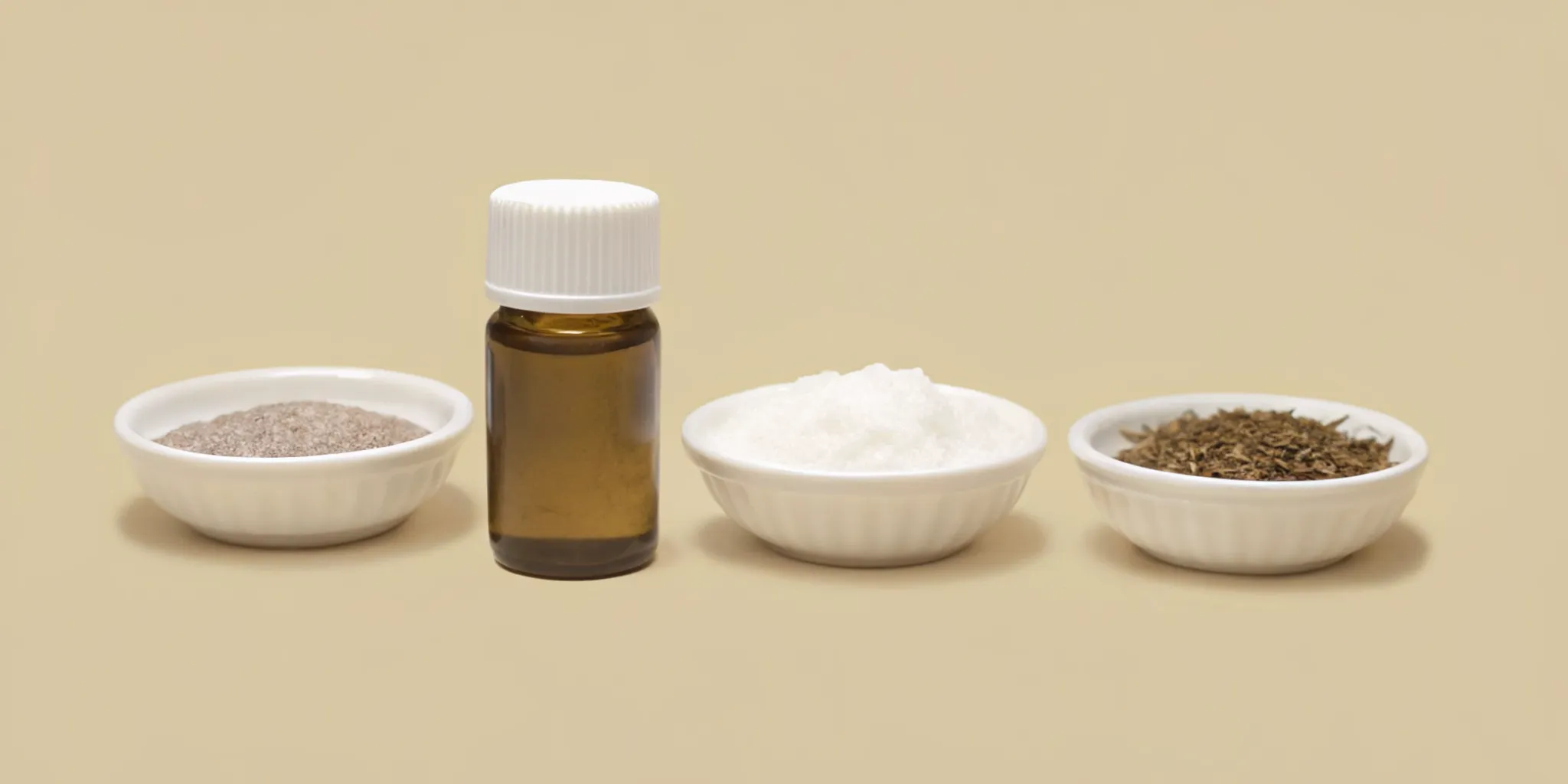
How to choose a calming supplement safely
Choose a calming supplement by matching one clearly defined goal with a transparent, third-party-tested product. Review the studied ingredient form and dose, check interactions, introduce only one change at a time, and track how you respond.
Check quality and transparency
Look for a complete ingredient list, exact amounts, lot information, and testing from an independent laboratory or recognized program such as USP or NSF. Avoid products that hide amounts in proprietary blends or promise instant, guaranteed results. Quality testing verifies identity and purity; it does not prove that a product will deliver the advertised effect.
Use a five-step trial
- Define one goal. Decide whether you are trying to support sleep, everyday resilience, focus, or digestive comfort.
- Review the evidence. Confirm that research relates to the ingredient form, dose, and outcome on the label.
- Check interactions. Ask a pharmacist or healthcare professional to review medications and health conditions.
- Change one thing. Start one supplement at a time so you can identify benefits or side effects.
- Track and reassess. Record sleep, mood, digestion, and unwanted effects, then decide whether continued use makes sense.
Keep expectations realistic
Some people notice effects from lemon balm relatively quickly, while nutrients and adaptogens may require consistent use before any difference is clear. Results also depend on whether a deficiency or specific need exists. A supplement cannot compensate for severe sleep loss, excess caffeine, or an untreated health concern.
Also consider the routine a product requires. Capsules may be convenient, while powders can make dose measurement easier but add another daily step. Check serving size, storage instructions, subscription terms, and cost per day before buying. A simple option you can use consistently is usually more useful than a complicated stack of overlapping ingredients.
When should you talk with a healthcare professional?
Talk with a healthcare professional before using calming supplements if you take medication, have a health condition, are pregnant or nursing, are preparing for surgery, or have persistent or severe symptoms. Seek urgent help for a medical emergency or thoughts of self-harm.
Interactions and side effects
Natural does not mean risk-free. Ashwagandha may interact with sedatives, thyroid medication, immune-suppressing drugs, and other treatments. Magnesium can affect absorption of certain medicines and may cause diarrhea. Omega-3 supplements can matter for people using anticoagulants. Share every medication, herb, vitamin, and supplement you take with a clinician or pharmacist.
Pregnancy and nursing
Many botanicals have not been adequately studied during pregnancy or nursing. Do not rely on a general wellness claim as evidence of safety for a parent or baby. Ask a qualified healthcare professional before starting or continuing any supplement during these stages.
Signs that need more support
Professional care is important when worry, panic, sleep disruption, low mood, or problems with concentration interfere with daily life. A clinician can check for nutritional deficiencies, medication effects, and other causes, then help build an appropriate care plan. Supplements can support wellness, but they are not intended to diagnose, treat, cure, or prevent disease.
Build a calmer baseline beyond supplements
A calmer baseline comes from repeatable daily habits: consistent sleep, balanced meals, regular movement, restorative pauses, supportive relationships, and appropriate care. Supplements are most useful when they complement these foundations rather than replace them.
Protect sleep and daily rhythm
Keep a consistent sleep and wake time, get morning light when possible, and create a short wind-down routine. Caffeine can mimic or intensify a racing heart and restlessness, so notice whether timing or quantity affects you. Regular meals and adequate hydration can also help prevent energy swings that feel like stress.
Use movement and breathing as reset tools
Walking, strength training, stretching, or another enjoyable form of movement can help release physical tension and support sleep. Slow breathing offers a simple in-the-moment reset. Try a comfortable inhale followed by a slightly longer exhale for a few minutes, without forcing or holding your breath.
Reduce avoidable inputs
Constant notifications, late-night screens, and an overloaded schedule can keep the mind alert. Create small boundaries that are realistic enough to repeat, such as a screen-free meal or ten quiet minutes before bed. These changes may feel modest, but consistency matters more than an elaborate routine that is hard to maintain.
Frequently Asked Questions
Common questions about calming supplements focus on nutrients, timing, and expected results. The short answers below provide a starting point, but individual needs and safe doses should be reviewed with a healthcare professional.
How do B vitamins support nervous system health?
B vitamins help the body produce energy and support normal nerve function. A deficiency can affect energy or neurological health, but taking extra B vitamins does not necessarily create a calming effect when levels are already adequate. Avoid high-dose products unless a professional recommends them.
Does taurine help calm an overstimulated nervous system?
Taurine participates in several neurological processes, and early research has explored its role in nerve signaling. Human evidence for using taurine specifically to calm an overstimulated nervous system remains limited. Ask a professional before using it for that purpose.
How long does it take for calming supplements to work?
Timing depends on the ingredient, dose, and person. Some botanical effects may be noticed the same day, while adaptogens, nutrients, or gut-support products may take several weeks of consistent use. Set a review date and stop if you experience side effects.
Can Vitamin D help with a calm nervous system?
Vitamin D supports overall health, and low levels may be associated with mood concerns. Supplementing is most appropriate when intake is low or testing identifies a deficiency. High doses can be harmful, so do not use a dose such as 5,000 IU daily without individualized professional guidance. Jefferson Health discusses Vitamin D and other commonly considered supplements.
Choose a steady path to nervous system and gut-brain support
The best plan combines realistic habits, one carefully selected supplement when appropriate, and professional input for safety. For a broader foundation, review these daily habits that support gut health naturally. Focus on evidence, track your response, and choose support that fits your needs instead of chasing instant results.
Explore SecondKind Mood Balance and its postbiotic-first approach to daily mood support.
These statements have not been evaluated by the FDA. This product is not intended to diagnose, treat, cure, or prevent any disease.

