A boarding pass can change more than your location. It can also change when you eat, sleep, move, and use the bathroom.
Shop SecondKind Gut Balance for shelf-stable travel support.
Travel gut health is easier to support when you keep a few familiar cues steady instead of trying to control every meal. Drink safe water throughout the day, eat familiar fiber-rich foods when they are available, move regularly, protect your sleep, and pack any daily gut support you already use. Start before departure rather than reacting after discomfort begins. These habits cannot prevent every digestive issue, especially one caused by unsafe food or water. They can, however, help your body handle the routine shifts that often come with flights, road trips, hotel stays, and new time zones.
The goal is not a perfect wellness routine on vacation. It is a simple travel version that is easy to repeat. That path begins with understanding why travel can disrupt your gut health routine.
Travel gut health: Why your routine can change
Your digestive system responds to timing and context. A long flight may mean sitting for hours, drinking less water, eating at odd times, and sleeping poorly. A road trip may replace a usual breakfast with convenience-store snacks. Even a relaxing vacation can involve richer meals and later nights.
Routine cues matter
Your usual schedule gives your body useful cues. Meals, movement, sleep, and bathroom time often happen in a familiar rhythm at home. Travel compresses or shifts those cues. The result may be temporary bloating, changes in regularity, or a stomach that simply feels less predictable. The National Institute of Diabetes and Digestive and Kidney Diseases recommends enough fiber, fluids, and regular physical activity as practical ways to support regularity.
Stress can add another layer. The gut and brain communicate in both directions, so a rushed connection or unfamiliar setting may affect how digestion feels. That does not mean symptoms are "all in your head." It means calm, rest, and planning belong in a practical gut routine. A peer-reviewed review of the microbiota-gut-brain axis describes this two-way communication among the gut, microbes, and brain.
Travel creates several changes at once
One unusual meal is rarely the whole story. A traveler may also be dehydrated, tired, less active, and outside their normal time zone. Looking at the full pattern is more useful than blaming one food. It also gives you more small levers to adjust.
If you want a strong home baseline before your next trip, review SecondKind's guide to building a daily gut health routine. A routine that is clear at home is easier to simplify on the road.
Build a travel gut health plan before departure
The best travel routine starts before you zip the suitcase. Keep the plan short enough to follow on a hectic day. You do not need a new diet, a strict cleanse, or a bag full of unfamiliar supplements.
A five-step pre-trip plan
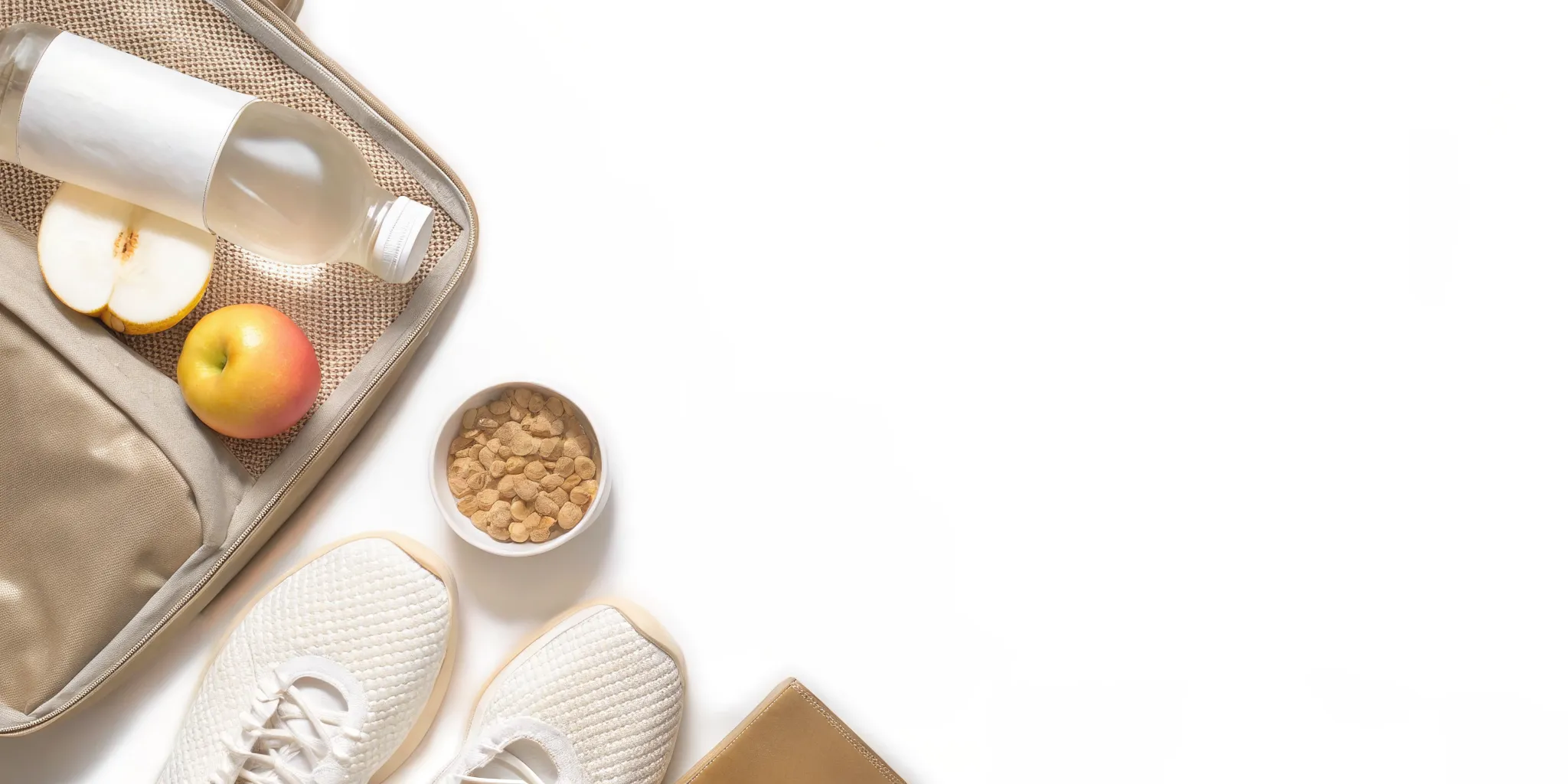
- Name your anchors. Choose three to five habits that help you feel steady, such as breakfast, a water bottle, a daily walk, a regular bedtime, and your usual postbiotic support.
- Practice the travel version. Test portable snacks and any daily support at home. A travel day is not the right time to try several new products.
- Pack for the first day. Bring enough safe water and familiar food to bridge common delays, while following airport security rules.
- Check the destination. Learn whether tap water is safe, how you will store medications, and where you can buy simple foods.
- Plan for known needs. If you have a digestive condition or take medication, ask a healthcare professional what to carry and when to seek care.
Keep the plan flexible
A good plan survives a gate change. If your preferred lunch is not available, the routine does not fail. Choose the next simple option, drink water, and return to your normal pattern at the following meal. Consistency across the trip matters more than one ideal choice.
Pack medications in their original containers and keep essential items in your carry-on. Travelers with ongoing health concerns should bring enough medication for the trip and a little extra for delays, based on clinician guidance.
Keep the five anchors of your routine steady
Most travel gut health advice becomes easier when it is grouped into five anchors: water, food, movement, sleep, and calm. You may not do each one perfectly. Touching each anchor most days can still make the trip feel more predictable.
Water and familiar food
Carry a refillable bottle where the local water is safe. Sip throughout the day instead of waiting until you feel very thirsty. On flights, road trips, or active days, make a point of drinking regularly. Alcohol and extra caffeine can also change sleep and hydration, so notice how they affect you.
Pack foods your body already knows. Options may include oats, nuts, seeds, whole-grain crackers, or dried fruit in portions that work for you. Add produce and balanced meals when available. Increase fiber gradually, especially if your normal intake is low, and pair it with enough fluid.
Movement and bathroom time
Long periods of sitting can replace the movement built into a normal day. Walk the terminal, take stretch breaks on road trips, or explore the destination on foot when it is safe. Gentle movement is often easier to repeat than a demanding travel workout.
Give yourself enough unhurried bathroom time. A packed itinerary can make people ignore normal urges. Building a quiet window into the morning may help preserve a familiar cue without turning the trip into a rigid schedule.
Sleep and calm
Protect sleep with a simple wind-down routine. Dim the room, keep late meals moderate when you can, and use familiar sleep tools. For a major time-zone change, daylight and local meal timing can help your body settle into the destination rhythm.
Stress support can be small. Slow breathing before a meal, a short walk after checking in, or ten quiet minutes between plans can help the day feel less rushed. These habits support the gut-brain connection without making promises about medical outcomes.
How can you protect your gut when traveling abroad?
International travel adds a food and water safety question to the usual routine changes. This deserves a separate plan. Ordinary bloating after a long flight is different from an illness caused by contaminated food or water.
Make food and water safety the first filter
Before travel, review the CDC's destination-focused food and water safety guidance. In places where tap water may be unsafe, use sealed bottled water or properly treated water for drinking and brushing teeth. Choose food that is thoroughly cooked and served hot. Be cautious with raw produce that you cannot wash or peel safely.
Handwashing with soap and safe water is one of the most useful travel habits. Carry hand sanitizer for times when washing is not available, but use soap and water when you can. Food safety choices matter more than any supplement when the risk is contamination.
Know when to get help
Seek medical care for severe pain, signs of dehydration, blood in stool, a high fever, ongoing vomiting, or symptoms that are intense or do not improve. Children, older adults, pregnant travelers, and people with certain health conditions may need help sooner. A healthcare professional can give advice tailored to the traveler and destination.
Do not use this article to diagnose a travel illness. Before departure, ask your clinician about vaccines, medications, and a plan for existing digestive needs. That conversation is especially important for remote travel.
Where postbiotics fit into a travel routine
A postbiotic is a preparation made from inactivated microorganisms and their components. Because it does not rely on live bacteria, a postbiotic-first routine can be stable and simple to carry. SecondKind is designed around that practical difference.
One tool, not the whole plan
Postbiotic support works best as one repeatable part of a broader routine. It does not replace safe food, water, sleep, movement, or medical care. It can help reduce the amount of trial and error involved in packing a daily gut-brain support routine.
| Travel routine tool | What it supports | Travel consideration |
|---|---|---|
| Safe water | Hydration and normal body function | Confirm local water safety and carry a bottle |
| Familiar fiber-rich foods | A steady eating pattern and regularity | Increase gradually and pair with fluid |
| Light movement | Daily rhythm and general well-being | Use short walks and stretch breaks |
| Sleep and calm | Gut-brain balance and resilience | Keep a small wind-down routine |
| Postbiotic support | Daily gut-brain and digestive support | Stable, shelf-friendly, and no refrigeration required |
Choose support for your main travel concern
Gut Balance is designed to support digestive ease, regularity, bloating support, and steady energy. Mood Balance is designed for gut-first emotional support, mood balance, and mental clarity. Some travelers may prefer a simple bundle approach. Product support should stay consistent with the label and your healthcare professional's advice.
For more context on how daily choices work together, read daily habits that support gut health naturally and SecondKind's science-first approach.
These statements have not been evaluated by the Food and Drug Administration. SecondKind products are not intended to diagnose, treat, cure, or prevent any disease.
How should you reset your gut after traveling?
Returning home is a good time to restore familiar cues, not punish your body for vacation. Skip drastic cleanses and extreme restrictions. A gentle reset is usually more practical and easier to maintain.
Return to your normal anchors
Start with safe water, familiar meals, regular sleep, and light movement. If the trip included much less fiber than usual, bring it back gradually and drink enough fluid. Resume the daily support that already fits your routine rather than adding several new products at once.
Jet lag may affect hunger and bathroom timing for a few days. Use daylight, local meal times, and a steady bedtime to rebuild rhythm. Give your body time to adjust before deciding that one food or habit is the problem.
Notice patterns without overreacting
A short note about meals, sleep, water, and symptoms can reveal what helped. Keep it simple. The goal is to improve the next trip, not monitor every sensation. If symptoms are severe, unusual, or persistent, contact a healthcare professional rather than relying on a home reset.
What belongs in a gut-friendly travel kit?
A small kit makes healthy choices easier when plans change. Pack items you already use and know you tolerate. Keep the kit in your carry-on or day bag so it is useful during delays.
Carry-on basics
- An empty refillable water bottle for airport security, or safe sealed water for a road trip
- One or two familiar, shelf-stable snacks with fiber and protein
- Your usual daily postbiotic support in its original packaging
- Prescription and over-the-counter medications approved by your healthcare professional
- Hand sanitizer, wipes, and any hygiene items you regularly need
Destination basics
Once you arrive, find a nearby source for safe water and simple foods. Identify a walking route and leave some open space in the first day's plan. These small choices make it easier to recover from transit and settle into a travel rhythm.
If you regularly use digestive supplements, review SecondKind's guide to supplements for digestive health. Keep your travel plan focused on products you understand and use as directed.
Frequently asked questions about travel gut health
Why does traveling affect my digestion?
Travel can change meal timing, food choices, hydration, movement, sleep, stress, and bathroom habits at the same time. Those shifts may temporarily affect comfort and regularity. A simple routine built around familiar cues can help support a steadier trip.
What should I eat before a long flight?
Choose a balanced meal that you already know works for you. Include a comfortable amount of fiber, protein, and fluid. Avoid testing a highly restrictive diet, a very rich meal, or several unfamiliar supplements right before departure.
How can I stay regular while traveling?
Drink safe water, eat familiar fiber-rich foods, move each day, and leave unhurried time for the bathroom. Bring fiber back gradually if your travel meals differ from home. Seek medical advice for severe or persistent changes.
Do postbiotics need refrigeration while traveling?
SecondKind's postbiotic-first products do not require refrigeration, which makes them easy to add to a travel routine. Follow the product label and storage directions. A postbiotic supports a routine but does not replace safe food, water, or medical care.
Keep your gut-brain routine ready for the road
Travel will change the day, but it does not have to erase every healthy cue. Pack the few habits that help you feel steady, then leave room to enjoy the trip. For shelf-stable, no-refrigeration postbiotic gut-brain support, shop SecondKind Gut Balance or shop SecondKind Mood Balance.