Postbiotics are prepared gut-health compounds made after beneficial microbes ferment nutrients, then are inactivated into a stable form. In plain English, they deliver selected microbial cells, cell parts, and related fermentation material without requiring live bacteria to survive storage or digestion.
Ready for a simpler postbiotic routine? Explore SecondKind Gut Balance for stable, no-refrigeration digestive support, or start with the SecondKind postbiotics guide to compare the science.
What are postbiotics? Postbiotics are preparations of inactivated microorganisms, their components, or both that provide a health benefit. They are made through microbial fermentation, then processed so the finished preparation is stable and ready to use.
That short answer matters because the word is often used loosely. A real postbiotic is not just any fermented ingredient or wellness buzzword. It has a specific scientific meaning, and that meaning helps you compare labels, claims, and daily gut-brain support options with more confidence.
What are postbiotics, in plain English?
Postbiotics are the useful, prepared result of microbial fermentation after the microorganisms have been inactivated. The ISAPP scientific consensus defines a postbiotic as a preparation of inanimate microorganisms and/or their components that confers a health benefit on the host.
The important word is "preparation." A postbiotic is not a random leftover from fermentation. It is a defined mixture that may include inactive whole cells, cell fragments, and compounds produced as microbes ferment nutrients. The finished material must be connected to a supported health benefit.
The definition without the jargon
Think of fermentation as the work stage. Microbes interact with nutrients and create useful material. Then the live stage is intentionally ended. What remains is processed into a finished preparation that can be tested, measured, stored, and used consistently.
This is different from simply eating a fermented food and hoping the same amount of microbial material is present every time. Foods can be valuable parts of a varied diet, but they differ by recipe, handling, storage, and serving size. A postbiotic supplement is designed to provide a more specific preparation.
What a label should make clear
A clear label should explain the named postbiotic ingredient, serving directions, quality standards, and intended support goal. It should not rely on vague phrases alone, such as "fermentation goodness" or "microbiome blend." The stronger the label, the easier it is to connect the product to credible research.
SecondKind builds around this postbiotic-first idea. The brand focuses on stable, no-live-bacteria formulas designed to support gut balance, digestive ease, mood balance, and mental clarity through a gut-brain approach. That makes the category practical for shoppers who want less routine complexity.
How postbiotics are made during fermentation
Postbiotics begin with selected microbes and nutrients. During fermentation, the microbes produce a mixture that can include cell material and metabolites. The preparation is then inactivated and stabilized so the finished product does not depend on living organisms.
The exact process can vary by ingredient and manufacturer, but the core sequence is consistent: ferment, inactivate, stabilize, test, and formulate. Each step helps define what the final product contains and how it should be used.
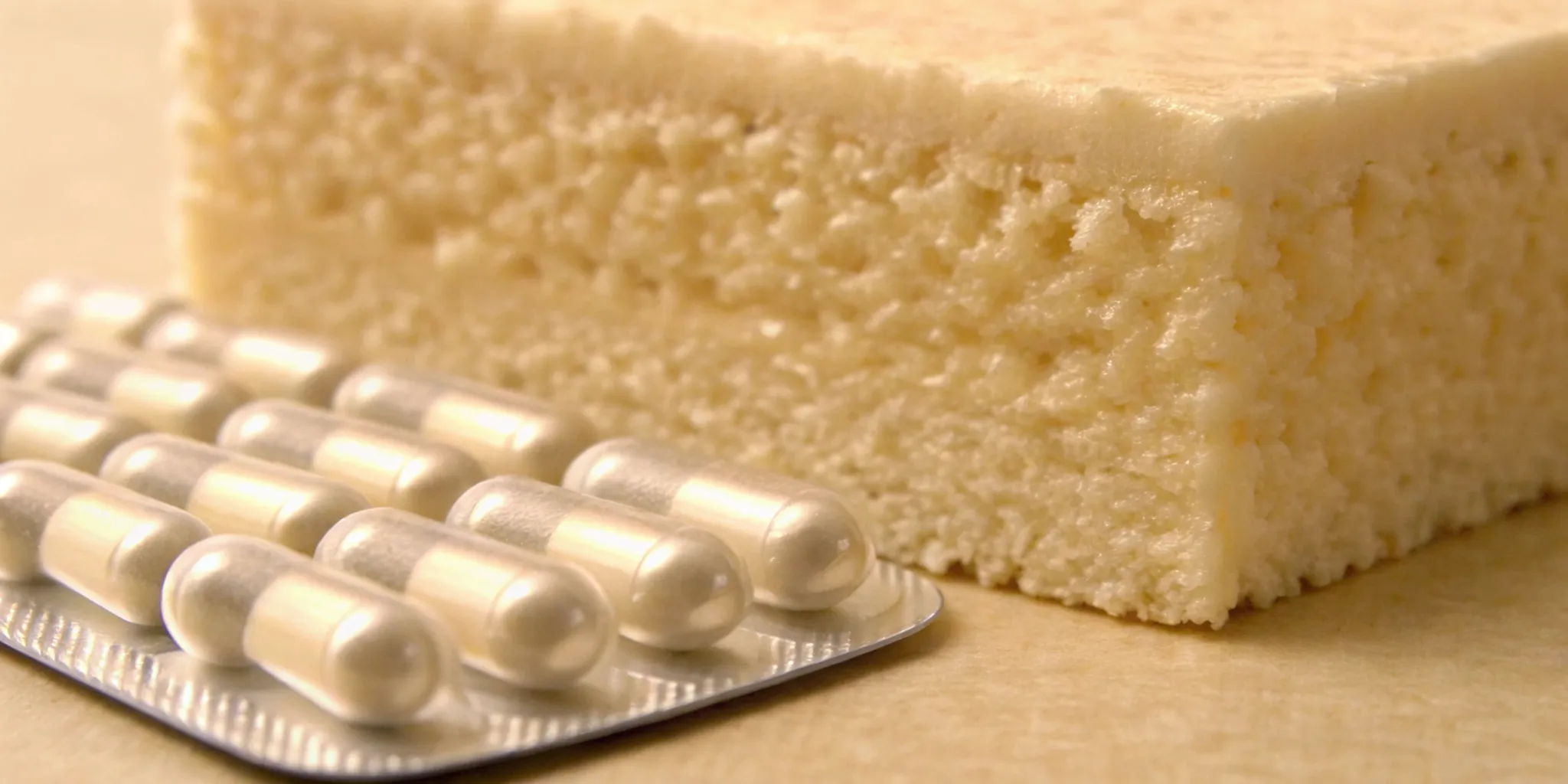
Fermentation creates the starting material
Fermentation is a natural microbial process, but supplement production uses controlled conditions. Selected microbes grow with a nutrient source, and their activity creates a complex mixture. That mixture may include microbial cells, cell components, and compounds formed during fermentation.
Not every compound from fermentation qualifies by itself. Under the consensus definition, the postbiotic preparation must include inactivated microorganisms, their components, or both. Metabolites may be present too, but they are not the whole story.
Inactivation is the feature, not the flaw
After fermentation, the microorganisms are intentionally inactivated, often through heat or another controlled process. That step is what separates a postbiotic from a live-culture product. The final preparation is designed to provide selected microbial material without requiring viability.
This shift can make daily use more predictable. You do not have to protect living microbes through shipping, pantry storage, or travel. You still need to follow the label, because heat, moisture, and time can affect many supplements, but refrigeration is often unnecessary for postbiotic formulas.
Postbiotics vs prebiotics and live cultures
Postbiotics, prebiotics, and live cultures are related, but they are not interchangeable. Prebiotics feed selected microbes. Live cultures provide living microorganisms. Postbiotics provide inactivated microbial cells, cell parts, or both, often with related fermentation compounds.
| Category | What it provides | Practical difference |
|---|---|---|
| Prebiotics | Fibers or compounds used by selected gut microbes | They depend on microbes in the gut using them |
| Live cultures | Living microorganisms | They must stay viable through storage and use |
| Postbiotics | Inactivated microbes, components, or both | They do not rely on live-microbe survival |
Why the distinction matters
Many people try several gut-health routines before finding one they can repeat. Some routines involve refrigeration, timing questions, or uncertainty about whether living organisms survived the trip from factory to shelf to stomach. Postbiotics remove that survival requirement.
That does not mean one category is universally better for every person. It means the mechanism and routine are different. If you want a simple, stable option, postbiotics may fit more naturally than a live-culture approach.
How to compare options without overthinking
Start with your goal. If your priority is digestive ease, regularity, or occasional bloating support, look for a formula built for gut balance. If your priority is calm, clarity, and emotional balance, look for a gut-brain formula that explains how it supports those outcomes without overpromising.
Then review the evidence. Useful product pages should connect ingredient choice with research, quality testing, and a clear daily routine. SecondKind's science page is a good internal reference point for how the brand explains its postbiotic approach.
Why postbiotics are stable and easy to use
Postbiotics are stable because the microorganisms in the preparation are no longer alive. Their purpose does not depend on keeping bacteria viable until the moment you take the product. That is a major reason postbiotic formulas can often be stored without refrigeration.
For everyday wellness shoppers, stability is not just a technical detail. It affects whether a routine feels easy enough to repeat. A bottle that fits in a cabinet, work bag, or travel kit is simpler than a product that depends on cold storage.
Consistency supports habit formation
The best supplement routine is usually the one you can follow consistently. Postbiotics can reduce friction by removing the question of live-microbe survival. You still need to take the product as directed, but storage and handling may feel less complicated.
This is especially helpful for people who already feel overwhelmed by long wellness stacks. A postbiotic-first formula can create one clear daily step instead of another fragile routine to manage.
Stability does not mean unlimited storage
Shelf-stable does not mean indestructible. Supplements should still be kept sealed, dry, and away from excess heat unless the label says otherwise. Quality brands should also explain testing, manufacturing standards, and directions for use.
SecondKind's postbiotic formulas are made for stable daily support with no refrigeration required. Gut Balance focuses on digestive ease, gut balance, regularity, and occasional bloating support. Mood Balance focuses on mood balance, mental clarity, and calm through gut-brain support.
What postbiotics may support in the gut-brain axis
The gut-brain axis is the two-way communication network between the digestive system and the brain. Signals move through nerves, immune pathways, microbial activity, and chemical messengers. Postbiotics may support this system by helping maintain a healthier gut environment.
This is support language, not disease-treatment language. A postbiotic supplement is not intended to diagnose, treat, cure, or prevent disease. It may support everyday functions such as digestive comfort, regularity, mood balance, mental clarity, and steady energy when used as part of a broader wellness routine.
Digestive support comes first
Gut balance is the foundation. A well-designed postbiotic may help support a steadier gut environment, which can relate to daily comfort and regularity. Some people are especially interested in support for occasional bloating or digestive unease after meals.
Evidence should always be matched to the exact preparation. You cannot assume that every postbiotic ingredient works the same way. The strongest claims are specific, measured, and properly hedged.
Gut-brain support should stay realistic
Because the gut and brain communicate in both directions, gut-first support can be relevant for mood, calm, and focus. That does not mean a postbiotic controls emotions or replaces medical care. It means the gut environment is one part of the daily wellness picture.
SecondKind's Mood Balance is designed for people who want gut-brain support for mood balance and mental clarity. For readers more focused on digestion, Gut Balance is the more direct product bridge.
How can you get more postbiotics?
You can support postbiotic activity through food, fiber, and targeted supplementation. These routes are related, but they are not identical. A varied eating pattern supports the gut ecosystem, while a supplement can provide a defined postbiotic preparation.
Start with fermented and fiber-rich foods
Fermented foods such as yogurt, kefir, kimchi, sauerkraut, miso, and tempeh can add variety and fermentation products to meals. Fiber-rich foods such as oats, beans, lentils, fruits, vegetables, nuts, and seeds give gut microbes material to use.
Introduce changes gradually if your digestion is sensitive. A small serving added to a familiar meal is usually easier to evaluate than a dramatic diet overhaul. If you have ongoing digestive symptoms or a medical condition, ask a qualified healthcare professional for personalized guidance.
Use supplements when you want a measured routine
A supplement can be helpful when you want a consistent serving and a specific support goal. Look for the named postbiotic ingredient, serving directions, third-party testing or quality standards, and storage instructions. Avoid products that make sweeping claims without explaining the preparation.
SecondKind's microbiome supplement guide can help readers think through supplement criteria in more detail. The goal is not to collect more products. The goal is to choose a routine that is simple, credible, and easy to repeat.
What to look for in a postbiotic supplement
A good postbiotic supplement should make the category easier to understand, not more confusing. It should explain what the ingredient is, what daily support it is designed for, and why the format is stable. It should also keep claims within the evidence.
Quality and transparency signals
Look for manufacturing and testing details, such as cGMP-certified production and third-party testing. SecondKind also highlights trust details that matter to research-intensive shoppers: vegan, Non-GMO, gluten-free, kosher, made in the U.S.A., and no refrigeration required.
These details do not replace ingredient evidence, but they do help you evaluate product quality. A transparent brand should make it easy to understand what you are taking, how to take it, and what kind of support to expect.
Choose by your support goal
If your main goal is digestive ease, regularity, gut balance, and occasional bloating support, Gut Balance is the clearer fit. If your main goal is mood balance, calm, clarity, and gut-brain support, Mood Balance may be more aligned. If both goals matter, a bundle can make the routine easier to manage.
Postbiotics are not magic shortcuts. They work best as part of a consistent routine that also includes food variety, hydration, movement, sleep, and stress support. If you are pregnant, nursing, taking medication, or managing a health condition, consult a healthcare professional before starting a new supplement.
Frequently Asked Questions
What are postbiotics?
Postbiotics are preparations of inactivated microorganisms, their cell components, or both that provide a health benefit. They are created through fermentation, then processed into a stable finished form that does not rely on live microbes.
Are postbiotics alive?
No. The microorganisms in a postbiotic preparation are inactivated. That is why postbiotics can often be shelf-stable and do not depend on live-microbe survival during storage or digestion.
How are postbiotics different from prebiotics?
Prebiotics are compounds, often fibers, that feed selected gut microbes. Postbiotics are prepared microbial cells, cell components, or both after inactivation. They support gut health from different points in the process.
Can you get postbiotics from food?
Fermented foods and fiber-rich foods can support the gut environment, but a food is not automatically a defined postbiotic. A targeted supplement can provide a more measured preparation with clearer directions.
Do postbiotics help with gut-brain health?
Postbiotics may help support the gut environment involved in gut-brain signaling. SecondKind's postbiotic formulas are designed to support digestive ease, mood balance, mental clarity, and steady daily wellness without disease-treatment claims.
Ready to make postbiotic support part of your day?
If you came here asking what are postbiotics, the practical answer is this: they are a stable way to bring selected fermentation-based gut support into a simpler daily routine. Start with the support goal you care about most, then choose a formula that explains its science clearly.
For digestive ease, regularity, gut balance, and occasional bloating support, shop Gut Balance. For mood balance, calm, and mental clarity through a gut-brain approach, shop Mood Balance. These statements have not been evaluated by the FDA. SecondKind products are not intended to diagnose, treat, cure, or prevent disease.